Gene therapy medicinal products (GTMPs) generally consist of a vector or delivery formulation/system containing a genetic construct engineered to express a specific transgene (‘therapeutic sequence’)3 for the regulation, repair, replacement, addition or deletion of a genetic sequence.
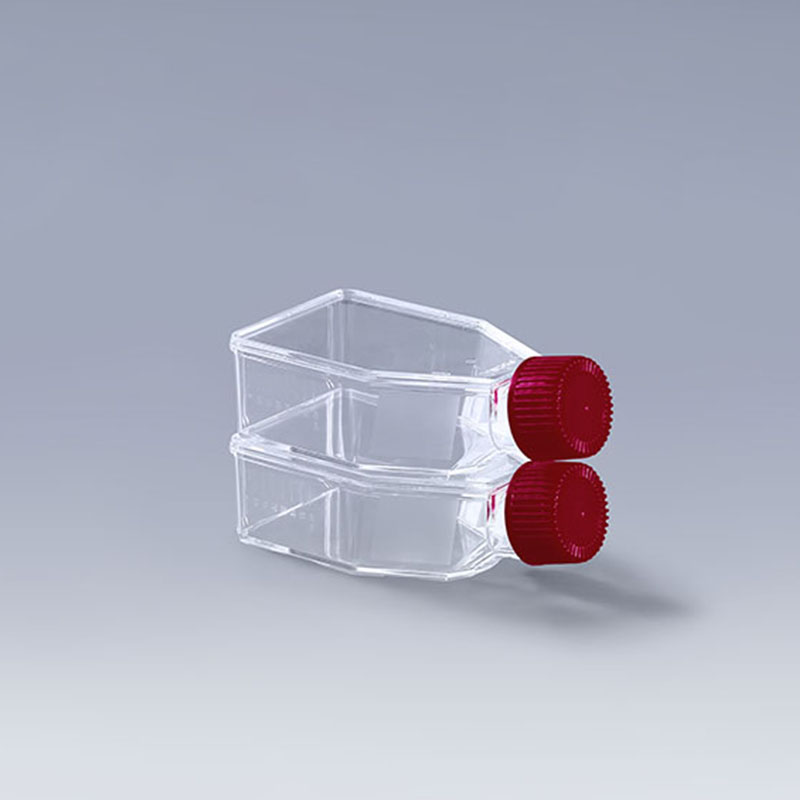
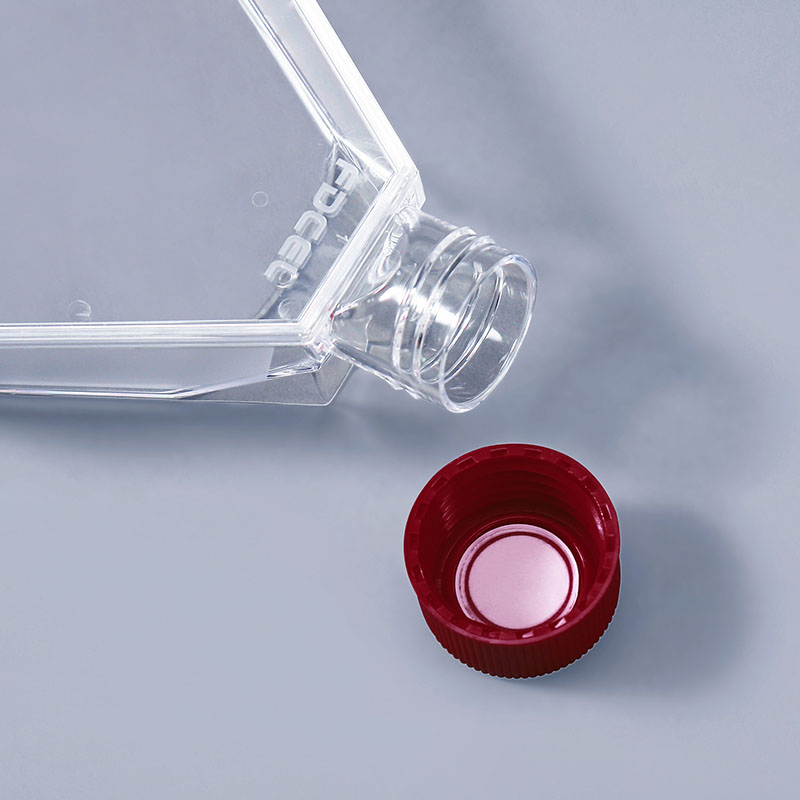
Tissue culture flasks are essential in vaccine and monoclonal antibody production, supportingadherent cell growth for Vero, CHO, and MDCK lines. With PS material and TC-treated surfacesFDCELL flasks ensure consistency, sterility, and smooth transition from lab-scale culture to large.scale manufacturing.
Transgenic plant technology has emerged as a possible complement to the longer-established range of prokaryotic, yeast and mammalian cell-based recombinant protein production systems. In this document guidance is provided on the approaches which should be employed in order to achieve satisfactory quality for biological active substances proposed to be produced using the new technology.
Tissue culture flasks play a vital role in stem cell and regenerative medicine research, With Psmaterial and TC-treated surfaces, they provide consistent adhesion, transparency, and scalabilitysupporting MSC and iPSC expansion from laboratory to clinical production.
This guideline defines scientific principles and provides guidance for the development and evaluation of medicinal products containing genetically modified cells intended for use in humans and presented for marketing authorisation. Its focus is on the quality, non-clinical aspects, safety and efficacy requirements of genetically modified cells.
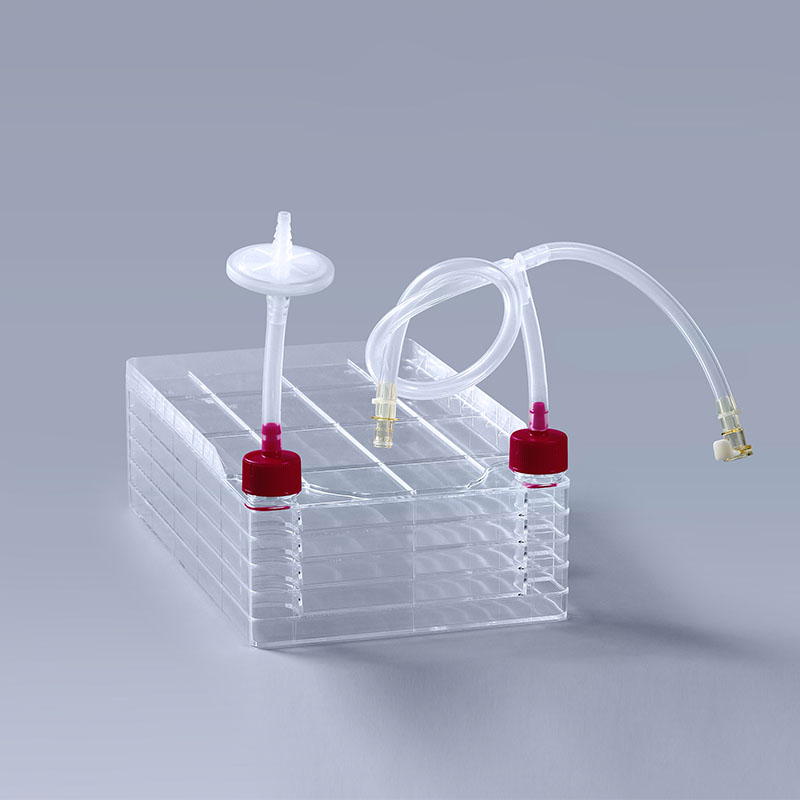
As biomanufacturing continues to scale from lab to production, stability, scalability, and traceability have become central to process optimization. The Multilayer Cell Factory System, once viewed merely as a culture vessel, is now evolving into an integrated, intelligent, and closed platform that anchors modern adherent cell culture processes.
Ella: +86 13373342369
Ella