The 40-layer cell factory is a multi-layered cell culture vessel with impressive scale and functionality. It is designed to address various challenges in traditional cell culture processes, particularly the issue of exogenous contamination. During cell culture, even minor external contamination can severely impact the production process, leading to reduced product quality and increased waste.
The purpose of this document is to give guidance to applicants regarding the type of stability studies that should be provided in support of marketing applications. It is understood that during the review and evaluation process, continuing updates of initial stability data may occur.
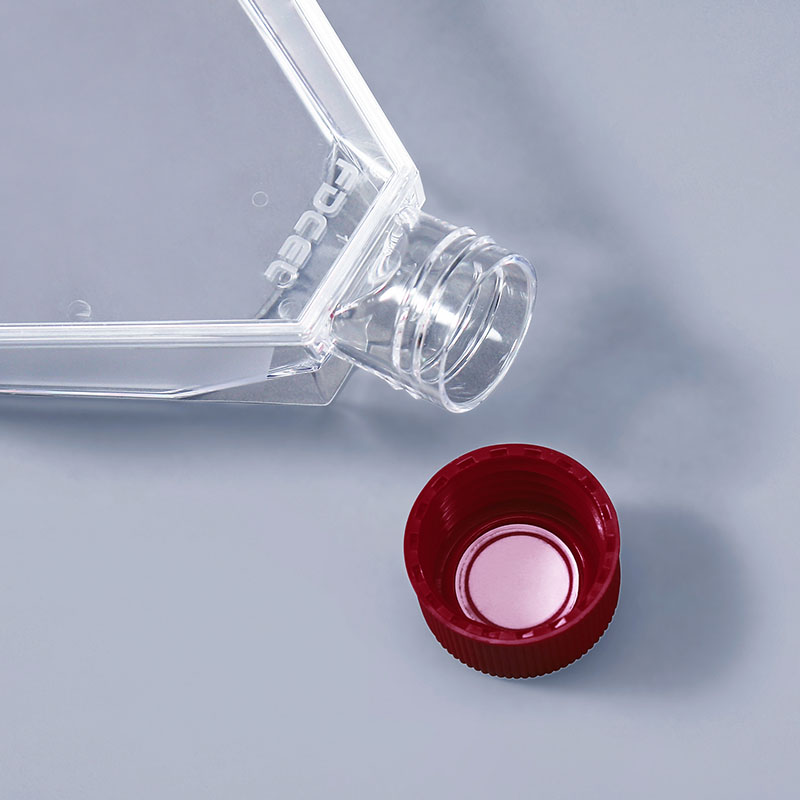
In summary, the square structure of cell culture flasks offers significant advantages in terms of ease of handling, improved storage efficiency, increased culture surface area, and ease of cleaning and sterilization. These benefits provide a more efficient and convenient solution for cell culture experiments.
The complexity of the biochemistry and the variety of possible environments make the subject of the no-growth limits of bacteria a very tough challenge. This present work addresses the problem of applying to the microbial cultures the polymer science approach, which is widespread in food technology.
During cell culture, regularly changing the culture medium is a critical operation for maintaining cell health and promoting growth. This article details the steps for changing the medium in a cell culture flask, including how to remove the old medium and add new medium, ensuring operational accuracy and optimal cell conditions.
These parameters were measured by flow cytometry and RT-PCR. We found that NK cells express TLR2 and TLR5, and that exposure to supernatants from ESKAPE group bacteria modified their cytotoxicity against JEG-3 and K-562 cell lines and their NKG2A and IL-10 mRNA levels.
Ella: +86 13373342369
Ella