USP〈1102〉provides a unified framework for immunological test methods, emphasizing scientific development and validation to ensure method reliability. In application, appropriate methods should be selected based on analyte characteristics, with strict control over reagent quality and operational standardization to meet the high-precision requirements of biopharmaceutical quality control.
USP〈1035〉is not only a compliance bottom line but also a ladder for quality improvement. Enterprises need to build a closed-loop system of
With the continuous development of the biopharmaceutical industry, cell factory—multi-layered cell culture vessels—have become a key tool for large-scale cell cultivation. Their unique advantages lie in their multi-layer design and integrated tubing systems, which enhance production efficiency while minimizing contamination risks.
Biological assays are crucial for evaluating the quality of biological products. They rely on biological substrates, which makes them significantly different from chemical tests, with higher variability. These methods are used to control key quality attributes of biopharmaceuticals, and their application scope continues to expand with the development of new drug types and technologies.
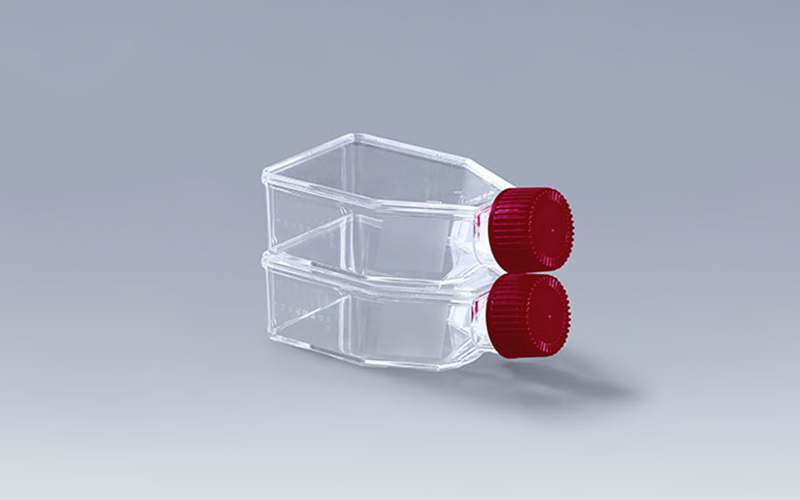
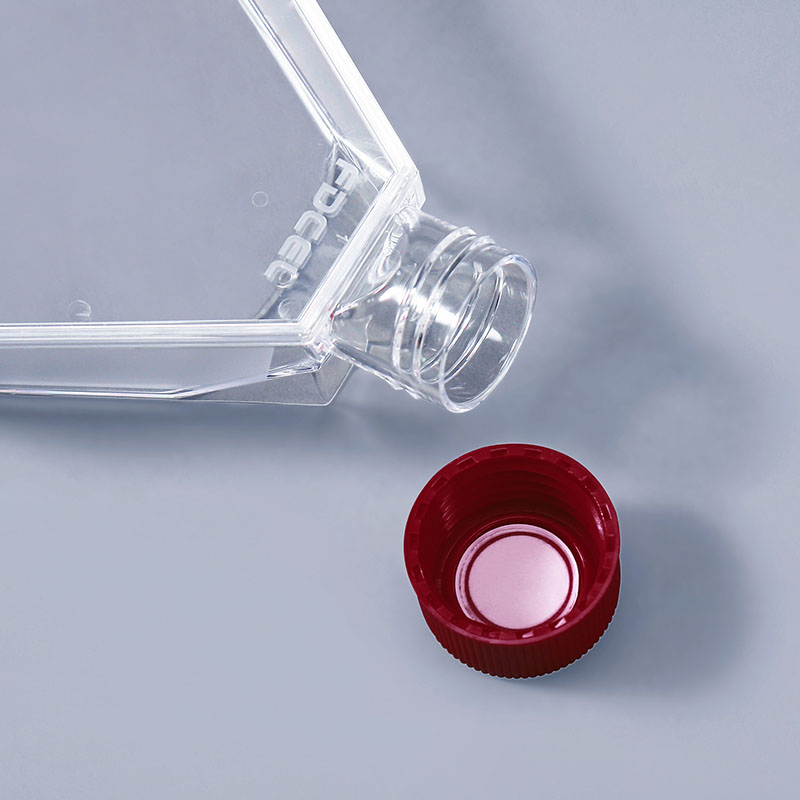
Cell culture flasks are indispensable tools in cell culture processes, widely used in biomedical research and biopharmaceutical fields. With the advancement of cell culture technology, choosing the appropriate culture flask for different types of cells has become particularly important. In this article, we will focus on two common cell types—adherent cells and suspension cells—and how to se
Ella: +86 13373342369
Ella