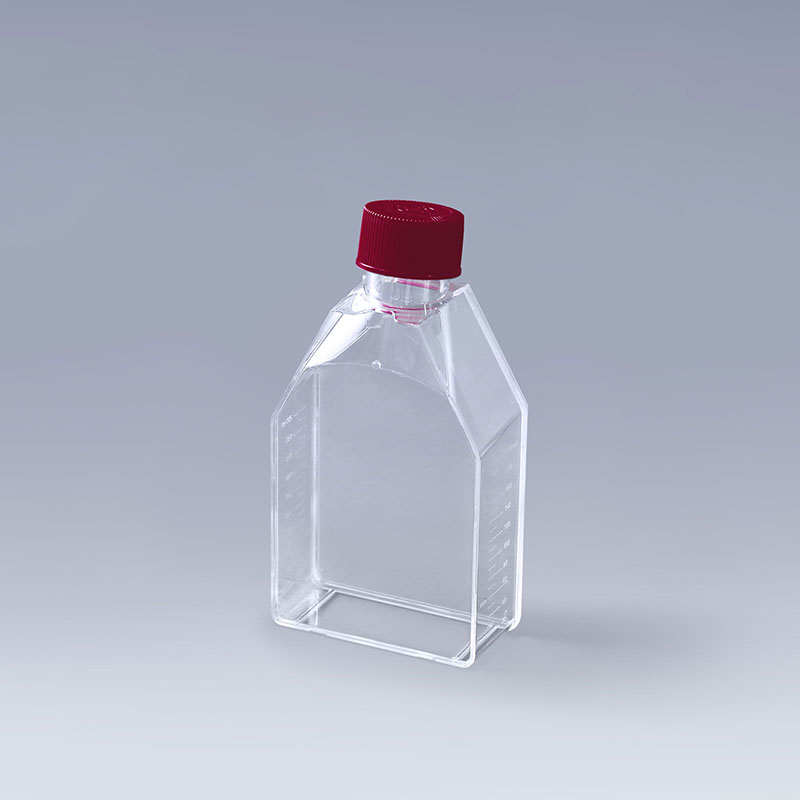
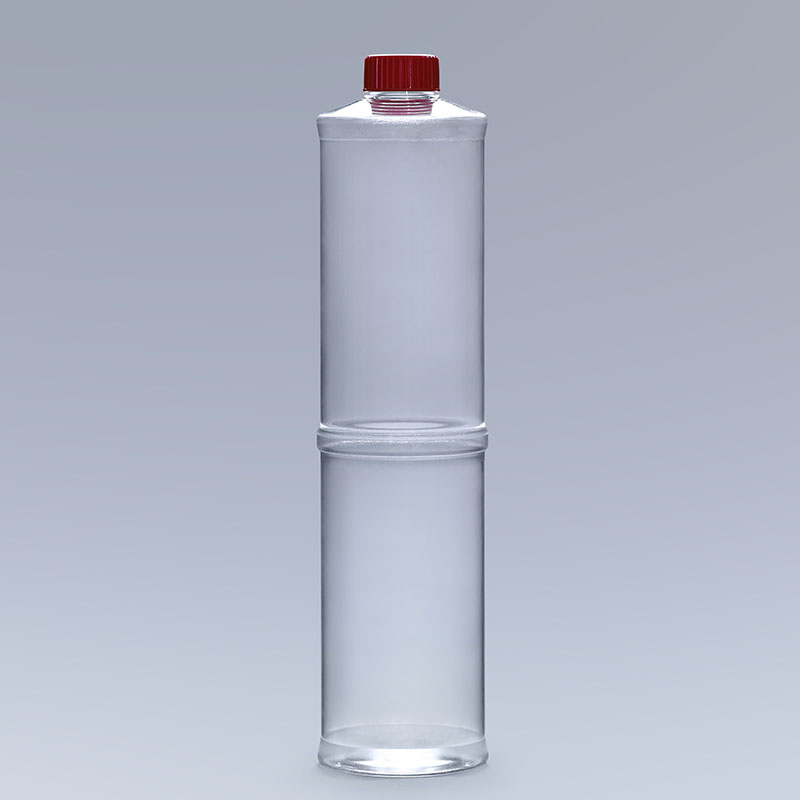
In the fields of biopharmaceuticals and vaccine production, large-scale cell culture is a critical step. However, traditional methods often suffer from low efficiency and high costs. As an innovative multi-layer cell culture device, the cell factory is becoming the ideal choice for research and production due to its high efficiency and convenience.
Trivalent seasonal influenza vaccines include two influenza A subtype viruses (H1N1 and H3N2) and one influenza type B virus. Influenza virus strains were selected based on the influenza vaccine production method: egg-based and cell- or recombinant-based.
Pyrogen contamination is a hidden threat in cell culture, but it can be effectively mitigated by using high-quality cell culture flasks and adhering to standardized protocols. Pyrogen-free flasks provide a safe environment for cell growth and ensure reliable experimental results.
For GT products that present long term risks to subjects, LTFU/surveillance plan(s) should also be put in place post-licensure for monitoring of delayed adverse events (for details we refer you to section VI. of this document). Not all GT products will require LTFU observations; a risk assessment should be performed by a sponsor based on several factors as outlined in this guidance.
This guidance provides FDA’s current thinking on determining sameness of human gene therapy products under FDA’s orphan drug regulations for the purpose of orphan-drug designation and orphan-drug exclusivity.
When choosing cell culture bottles, biocompatibility should not be overlooked. By selecting consumables that comply with ISO certification and international standards, the reliability and reproducibility of experimental results can be improved, thereby driving scientific research forward.
Ella: +86 13373342369
Ella