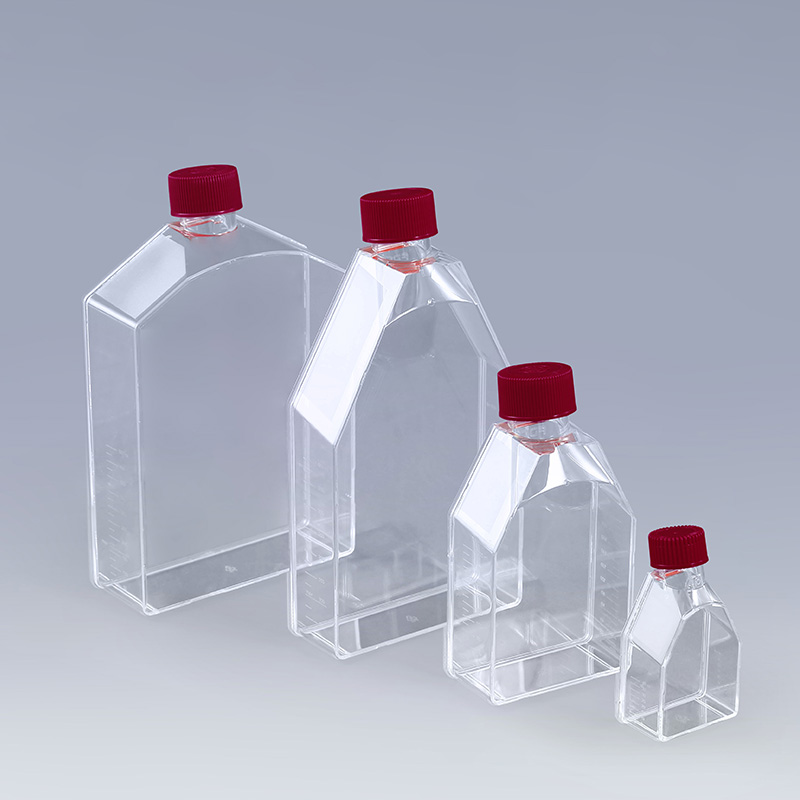
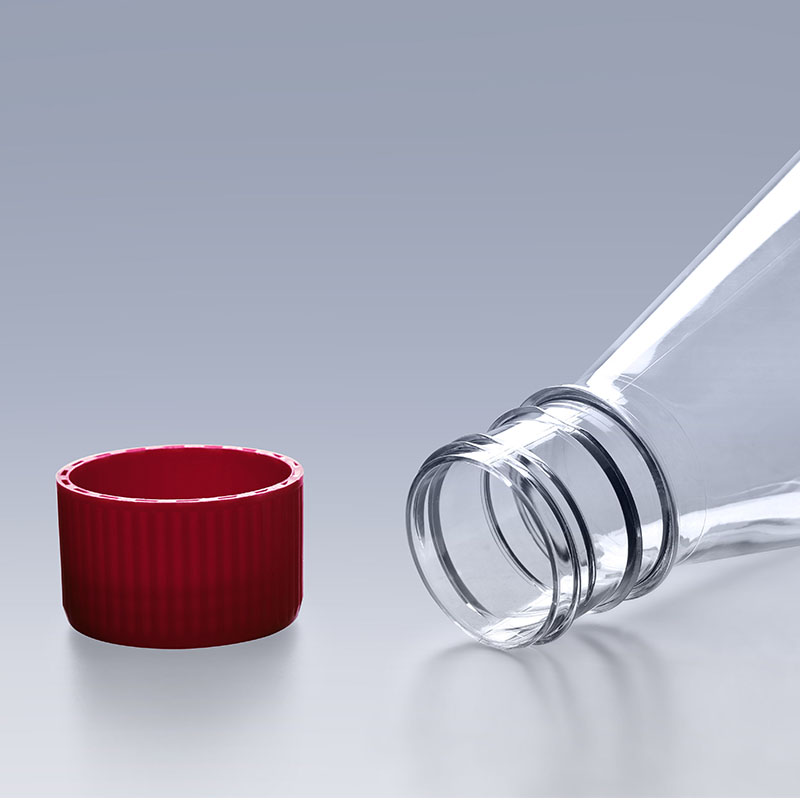
Cell culture bottles are essential tools in life sciences experiments, and their design and usage directly impact the accuracy of experimental results and the growth condition of cells. This article explores the design features of cell culture bottles and discusses how optimizing their usage can enhance cell culture outcomes.
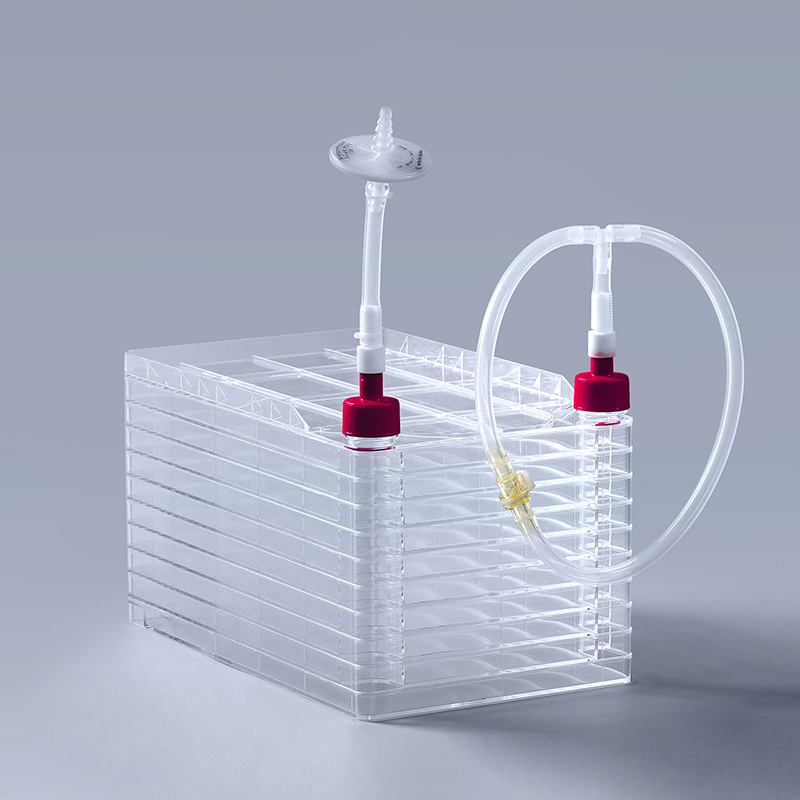
With the rapid development of pharmaceutical technology, cell factories, as an innovative cell culture device, are revolutionizing vaccine production methods. Particularly in the production of Hepatitis A vaccines, cell factories have demonstrated extraordinary potential and advantages.
Cell Culture Flasks are indispensable tools in the cultivation of adherent cells, widely used in fields such as genetics, immunology, oncology, virology, and molecular biology. When selecting a Cell Culture Flask, ensuring that it is free from DNase and RNase contamination is crucial, as these features directly affect the quality of cell culture and the reliability of experimental results.
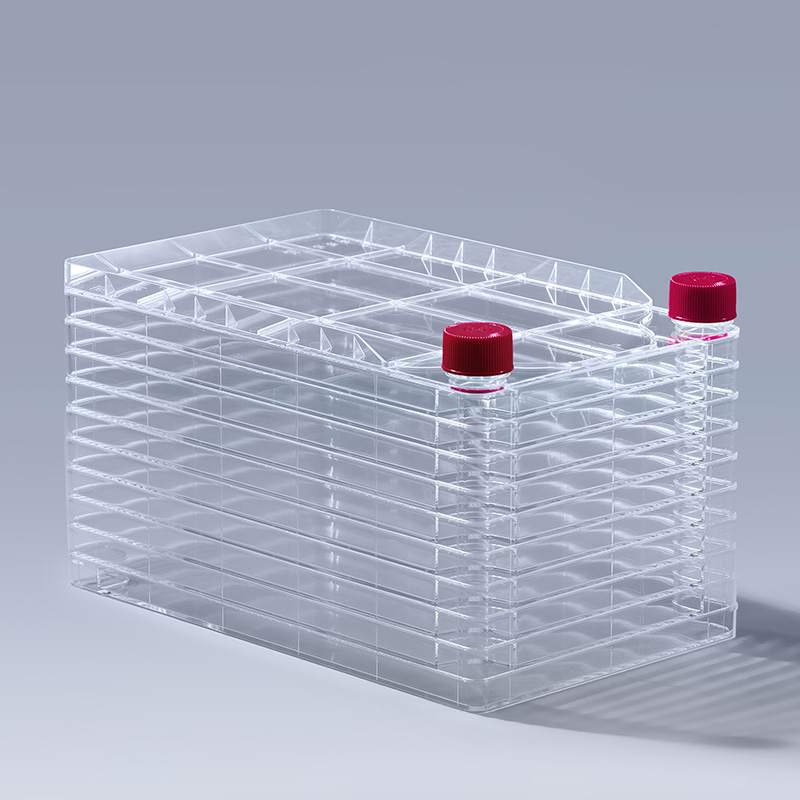
The cell factory analogy, as an advanced cell culture platform, is designed with a multi-layer structure, making it ideal for large-scale production and culture of various cell types.
Here are five important considerations for using an Erlenmeyer flask, which can help researchers better manage this essential tool.
Ella: +86 13373342369
Ella