Cardiovascular diseases are the leading cause of human death worldwide. The role of the female hormone estrogen (E2) in this context is subject of debate. E2 might counteract inflammation by acting on macrophages; however, the underlying cellular mechanisms remain poorly understood.
The broad application of the cell factory provides a convenient and efficient solution for the large-scale cultivation of these cell lines, promoting development and progress in the biomedical field. With continuous technological advancements and ongoing optimization of the cell factory, it is believed that its application prospects will be even broader in the future.
Mycoplasma contamination is a common and troublesome issue in cell culture using flasks. Mycoplasma not only affects cell growth and function but may also lead to inaccuracies in experimental results. Therefore, early identification and effective management of mycoplasma contamination are crucial.
The objective of this document is to provide principles for assessing the comparability of biotechnological/biological products before and after changes are made in the manufacturing process for the drug substance or drug product.
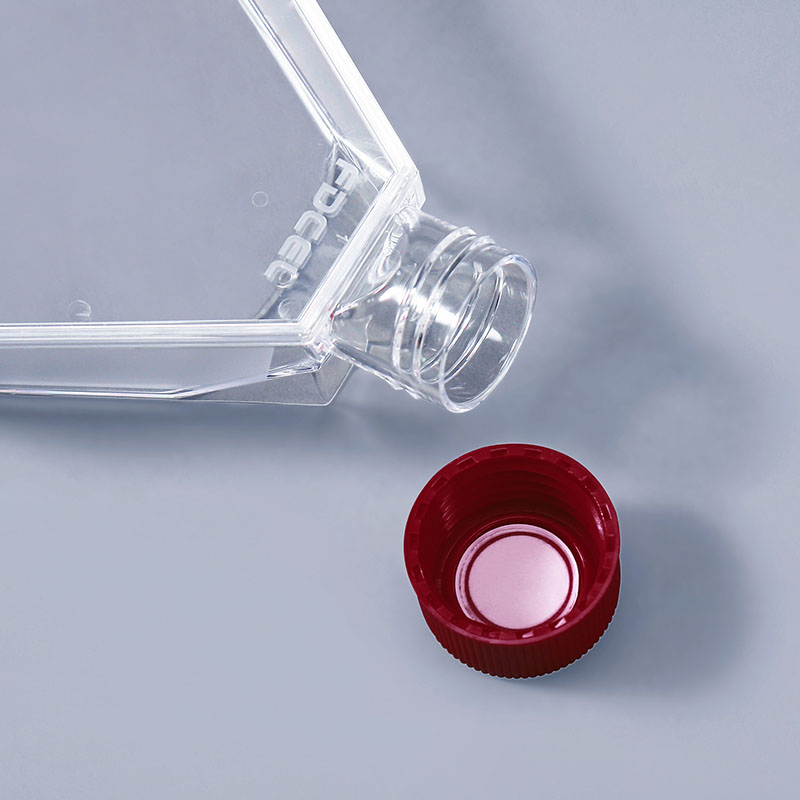
In cell culture, maintaining a clean and stable culture environment is crucial for the healthy growth of cells. The 0.2μm sterilizing vent cap equipped on Cell Culture Flasks is a key feature designed to meet this requirement.
The objective of this guideline is to provide broad guidance on appropriate standards for the derivation of human and animal cell lines and microbial cells to be used to prepare biotechnological/biological products defined in Section 1.3, Scope, and for the preparation and characterisation of cell banks to be used for production.
Ella: +86 13373342369
Ella