What is adherent cell culture?
Adherent cell culture refers to the technique of growing cells that require a surface to attach to in order to grow and divide. Adherent cells are typically derived from tissues such as skin, bone, and connective tissue, and include cells such as fibroblasts, endothelial cells, and epithelial cells.
To perform adherent cell culture, a suitable surface must be selected that will allow the cells to attach and grow. Common surfaces used in adherent cell culture include plastic, glass, and coated substrates such as collagen or fibronectin.
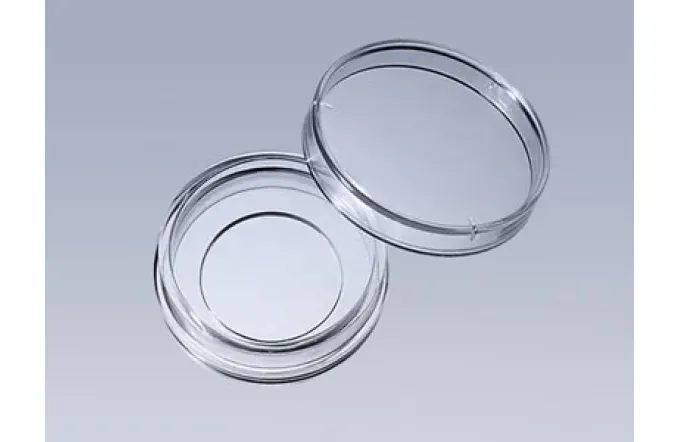
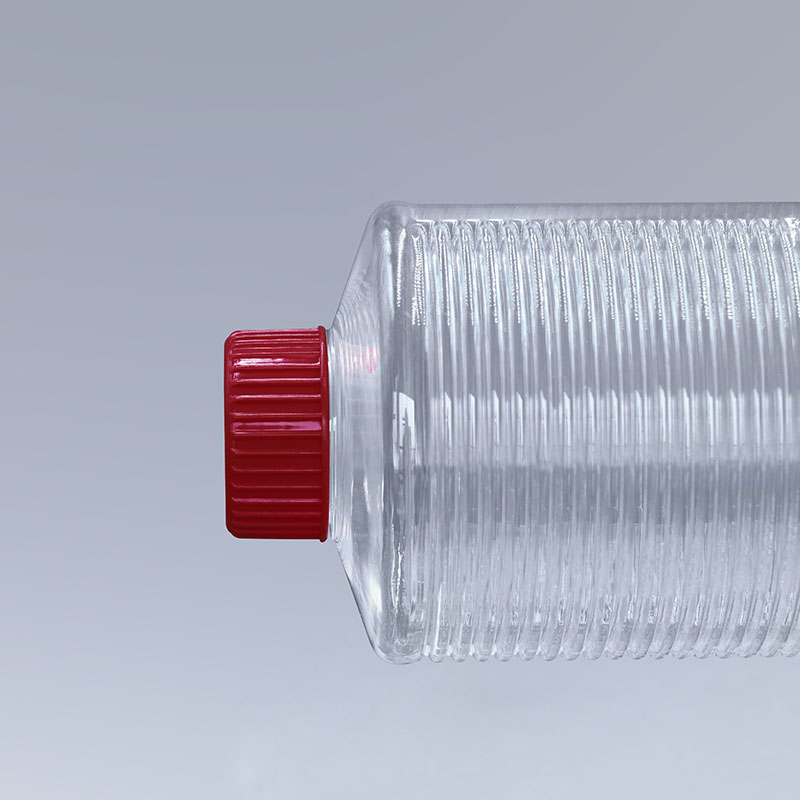
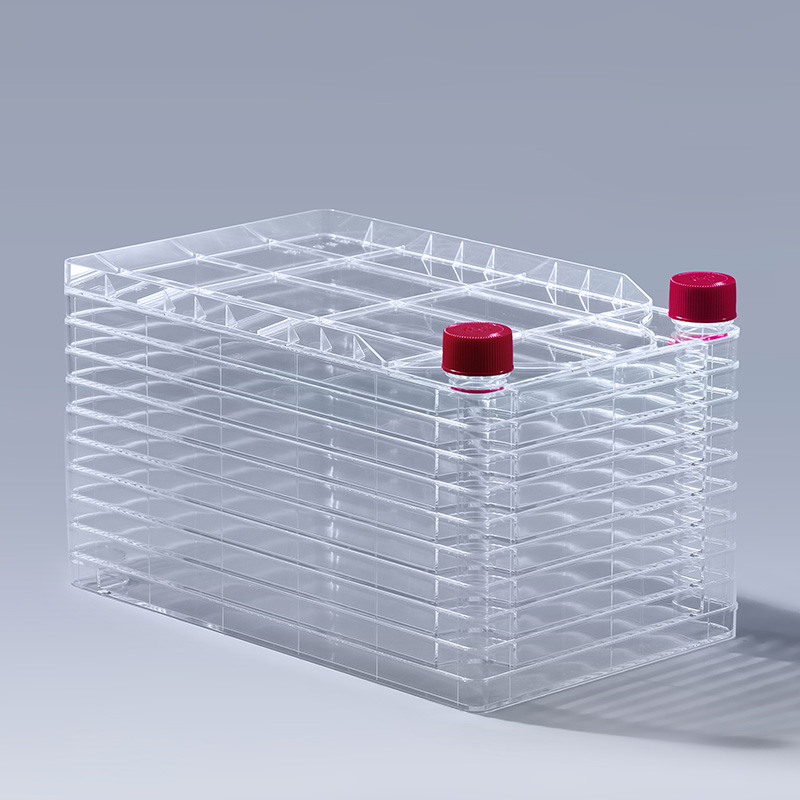
Adherent cells are typically cultured in flasks or dishes, which are first sterilized, then coated with an extracellular matrix protein to provide a surface for the cells to attach to. The cells are then seeded onto the coated surface in a nutrient-rich media, which contains the necessary nutrients and growth factors for the cells to grow and divide.
The culture media is changed periodically to provide fresh nutrients and remove waste products. The cells can be passaged, or split, to increase the number of cells and prevent overcrowding. Passaging involves detaching the cells from the surface using enzymes or a mechanical method and then re-seeding them onto a new surface.
Adherent cell culture is commonly used in biomedical research, drug discovery, and tissue engineering, as it allows for the growth and study of cells in a controlled environment.
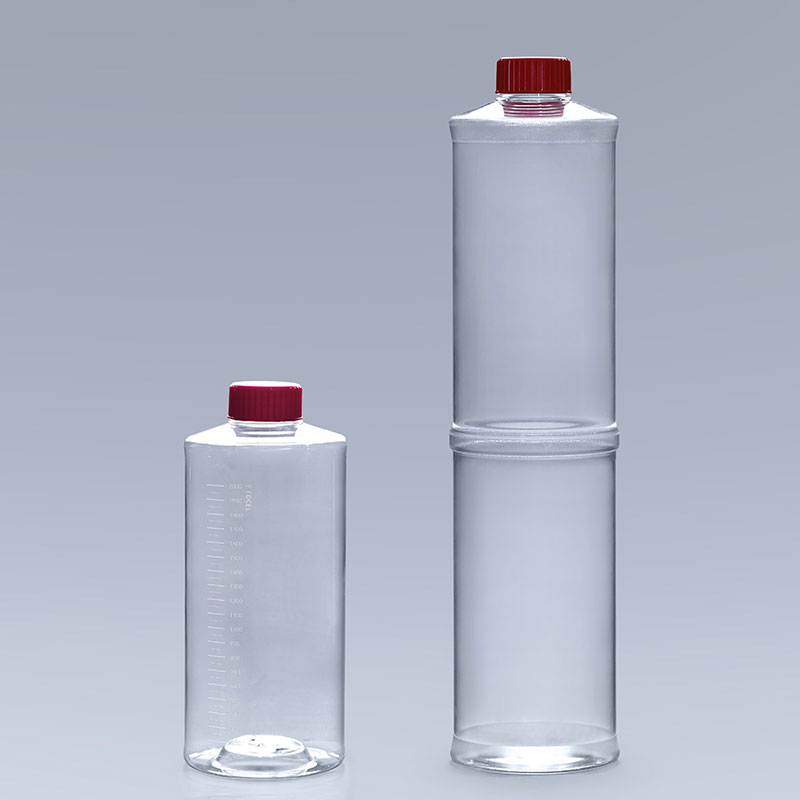
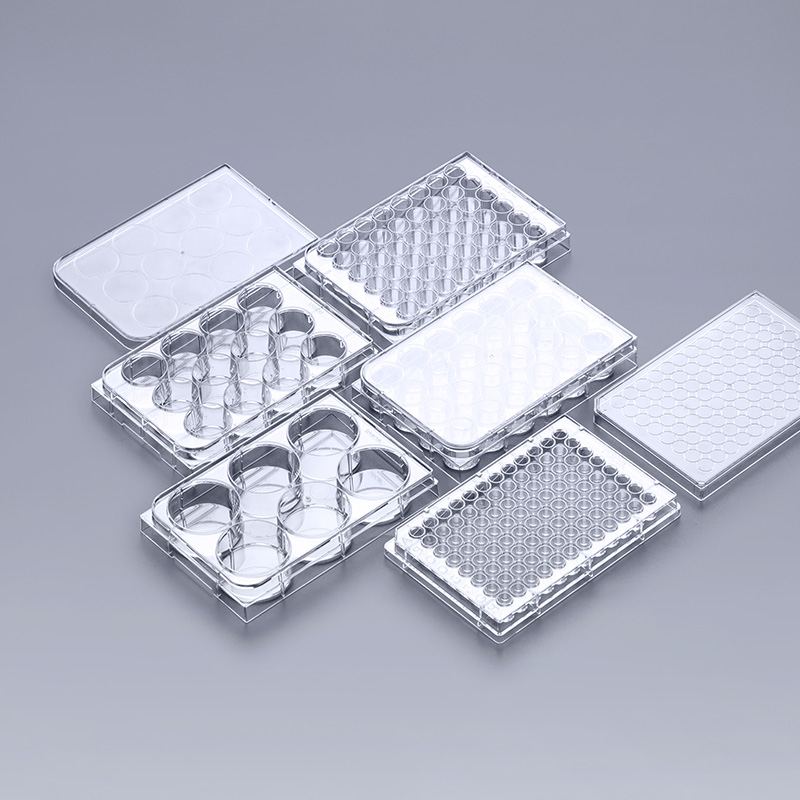
Adherent cell culture refers to the growth of cells that require attachment to a surface or substrate for survival and proliferation. This type of cell culture is typically carried out using specialized cell culture vessels, such as tissue culture plates or flasks, that have been treated with extracellular matrix proteins or other coatings to promote cell adhesion. In addition to these vessels, other important consumables for adherent cell culture include:
1. Cell culture media: This is the liquid nutrient mixture that contains all the necessary nutrients, growth factors, and supplements required for cell growth and survival.
2. Serum: Fetal bovine serum (FBS) or other types of animal serum are commonly used in cell culture media to provide additional growth factors and nutrients.
3. Trypsin: This enzyme is used to detach cells from the culture vessel surface for passaging or subculturing.
4. PBS: Phosphate-buffered saline is used for washing cells and for other cell culture procedures.
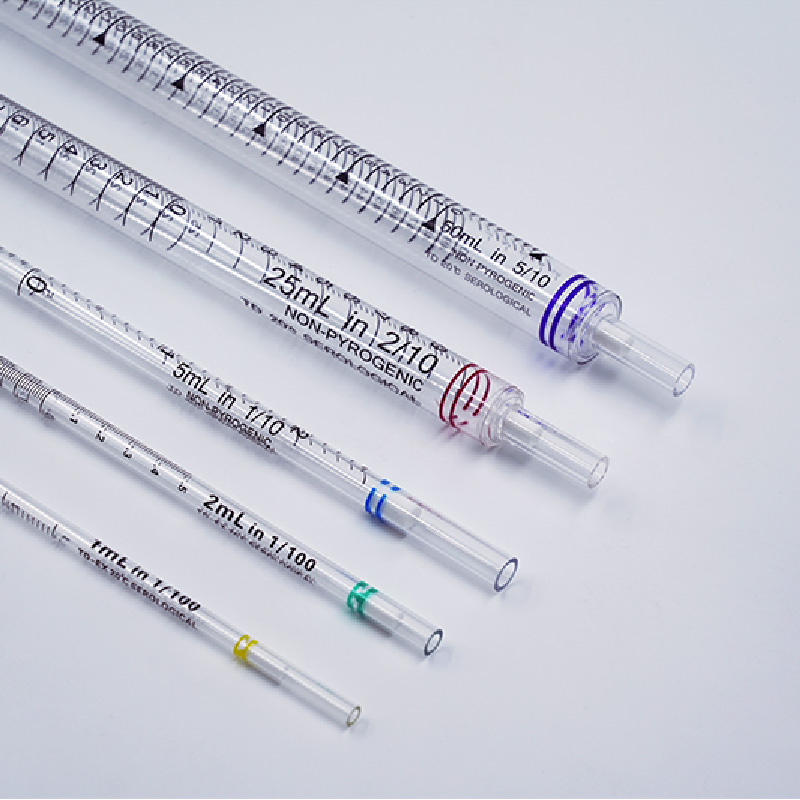
5. Pipettes and pipette tips: These are used for measuring and transferring liquids.
What is suspension cell culture?
Suspension cell culture is a type of cell culture in which cells are grown in a liquid medium without attachment to a substrate. This is in contrast to adherent cell culture, in which cells grow attached to a surface such as a plastic dish or flask.
Suspension cell culture is commonly used to grow cells that naturally grow in suspension, such as blood cells, immune cells, and certain types of cancer cells. It is also used to propagate cells for large-scale production of biologics, such as antibodies or viral vectors for gene therapy.
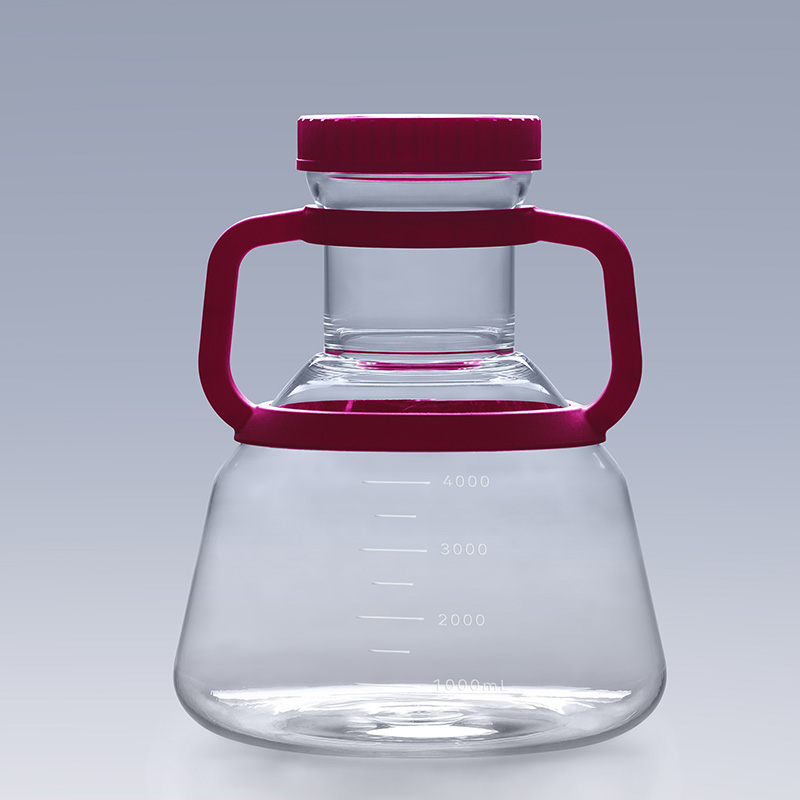
To establish a suspension cell culture, cells are first isolated from their natural environment and placed in a nutrient-rich liquid medium. The cells are then incubated in a culture vessel, such as a flask or spinner flask, and agitated to prevent clumping and promote oxygen and nutrient exchange. The growth of the cells is monitored over time, and the medium is replenished or changed as needed to maintain optimal conditions.
Suspension cell culture requires careful attention to cell density, pH, and nutrient levels to ensure proper growth and prevent cell death or contamination. Specialized equipment, such as a bioreactor or fermenter, may be necessary for large-scale production of cells or biologics.
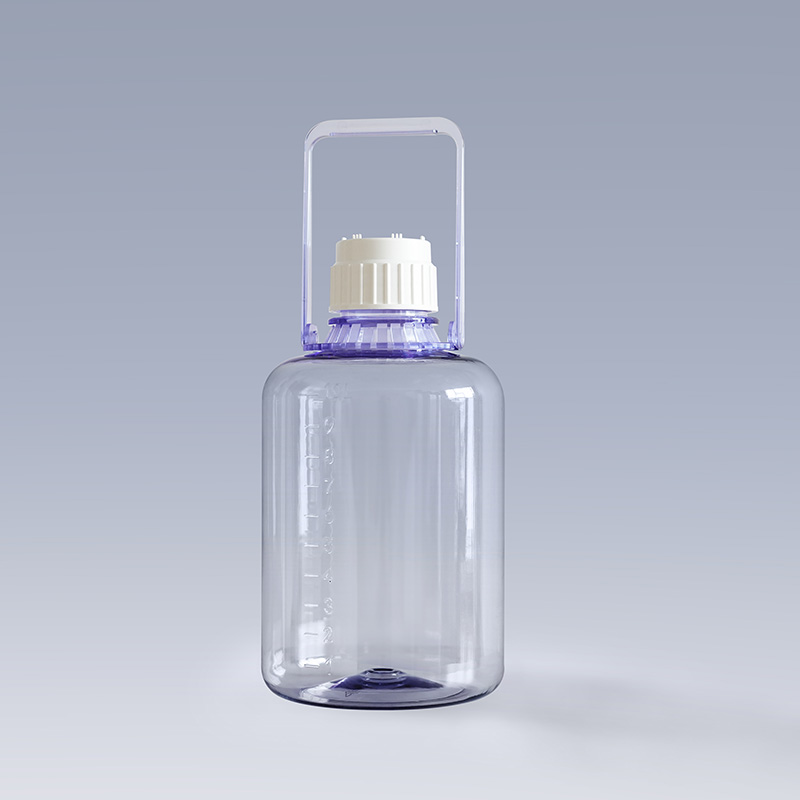
Suspension cell culture, on the other hand, refers to the growth of cells that do not require attachment to a surface for survival and proliferation. These cells are typically grown in suspension culture vessels, such as spinner flasks or bioreactors, which allow for aeration and agitation of the culture to promote cell growth. In addition to the vessels used for suspension culture, other important consumables for suspension cell culture include:
1. Cell culture media: As with adherent cell culture, media is an essential component for the growth and survival of cells in suspension culture.
2. Serum: FBS or other types of serum may be added to suspension culture media to provide additional nutrients and growth factors.
3. Antibiotics and antimycotics: These are often added to the culture media to prevent bacterial or fungal contamination.
4. Cell strainers: These are used to remove cell clumps and debris from the culture.
5. Centrifuge tubes and pipettes: These are used for cell harvesting and media changes.