Erlenmeyer Flask Design and Materials
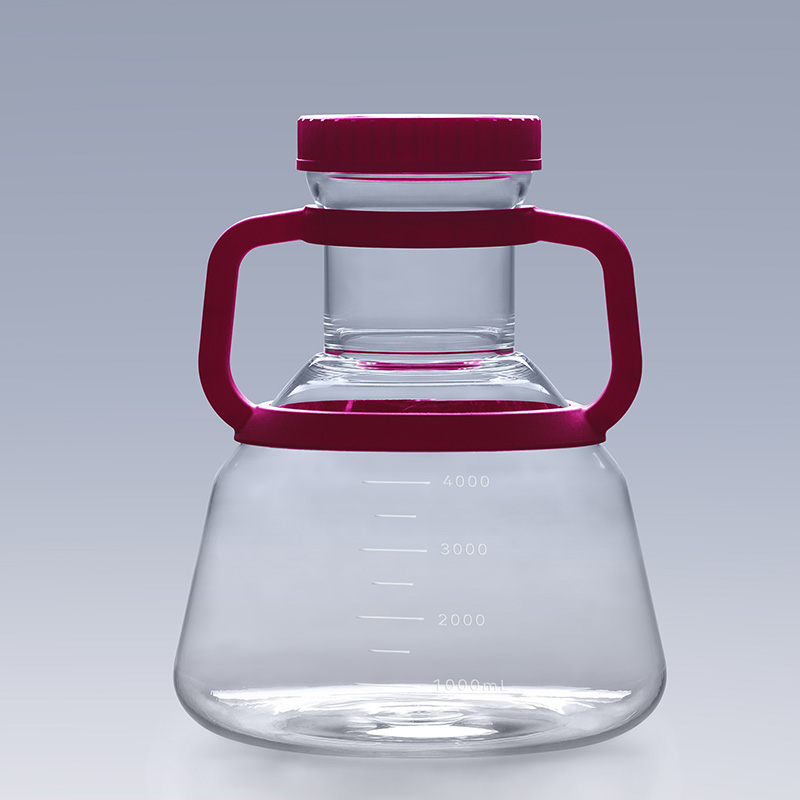
Erlenmeyer flasks, commonly referred to as shake flasks, are essential laboratory tools used for cultivating various organisms. Their distinctive conical shape and wide base facilitate efficient shaking without significant risk of spillage, making them ideal for a range of experimental needs from initial screenings to process development. These flasks are cost-effective and versatile, suitable for culturing bacteria, yeasts, fungi, as well as suspended plant and animal cells. While the use of shake flasks doesn't require specialized training, optimizing their use involves careful consideration of flask materials, design, and handling protocols.
Flask Materials: Glass vs. Plastic
Glass Flasks
Autoclavable and Reusable: Glass Erlenmeyer flasks are commonly used in traditional microbiological applications. They are durable, can be sterilized through autoclaving, and reused multiple times.
Oxygen Transfer: Glass is hydrophilic, promoting the formation of a liquid film which enhances oxygen transfer. This makes glass flasks preferable for cultures where oxygenation is crucial.
Plastic Flasks
Disposable and Sterile: Plastic flasks, often made from polystyrene, are typically used in situations where contamination prevention is critical. These flasks are sterile and often feature vented caps with 0.2 µm filters.
Hydrophobic Nature: Plastics are generally hydrophobic unless treated, which can limit their effectiveness in oxygen transfer compared to glass. However, their disposable nature makes them convenient for sensitive or critical cultures.
Flask Design: Special Shapes and Baffles
Standard Erlenmeyer Flasks
Conical Body: The standard design features a conical body, wide base, and cylindrical neck, which supports effective shaking and mixing.
Baffled vs. Non-Baffled Flasks
Non-Baffled Flasks: These produce a uniform and predictable liquid flow with well-defined vortex formation. They are suitable for general applications where consistent mixing is required.
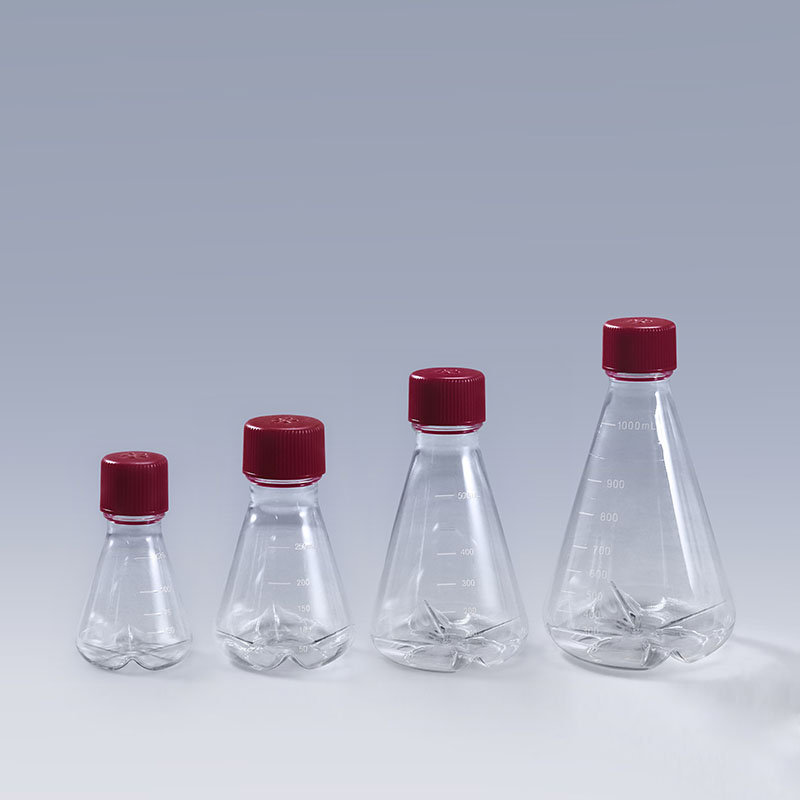
Baffled Flasks: Incorporating baffles disrupts the flow, enhancing aeration by creating more turbulence. Baffled flasks are particularly useful for cultures with high oxygen demands, such as those involving filamentous fungi. However, they can increase foam formation, which may hinder oxygen transfer and yield more variable results.
Cap Types: Traditional to Vented Caps
To prevent contamination while ensuring proper aeration, various cap types are used:
Traditional Caps: These include cotton plugs and metal caps, which are simple but can be problematic if they become wet, potentially leading to contamination.
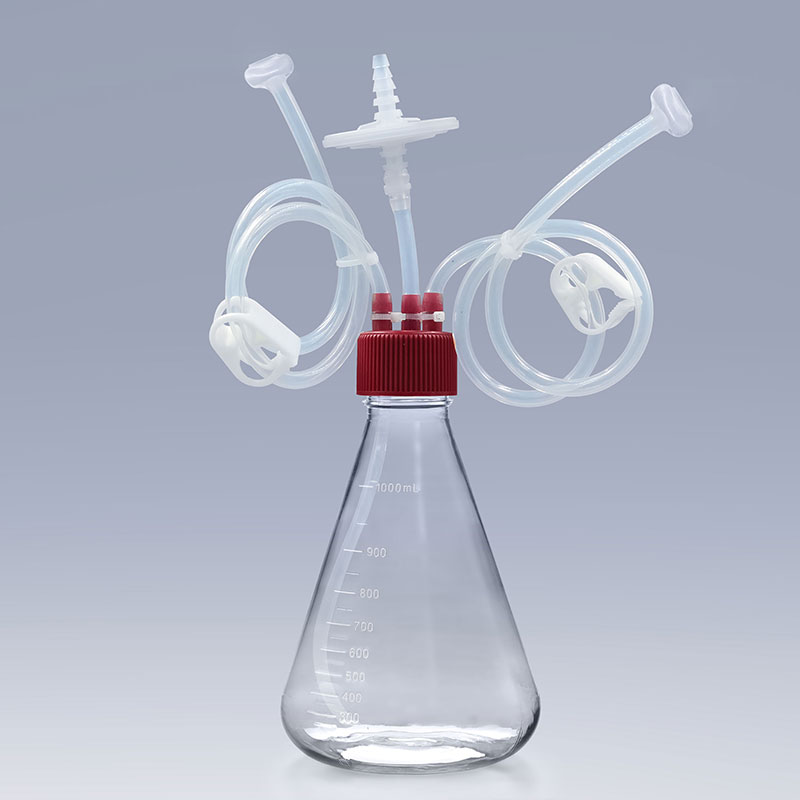
Filter Caps: Disposable filter caps and silicone sponge caps provide a sterile barrier while allowing gas exchange. These caps are particularly effective in maintaining sterility and ensuring consistent oxygen transfer.
Recommended Filling Volume
The filling volume of the flask is crucial for maintaining adequate aeration:
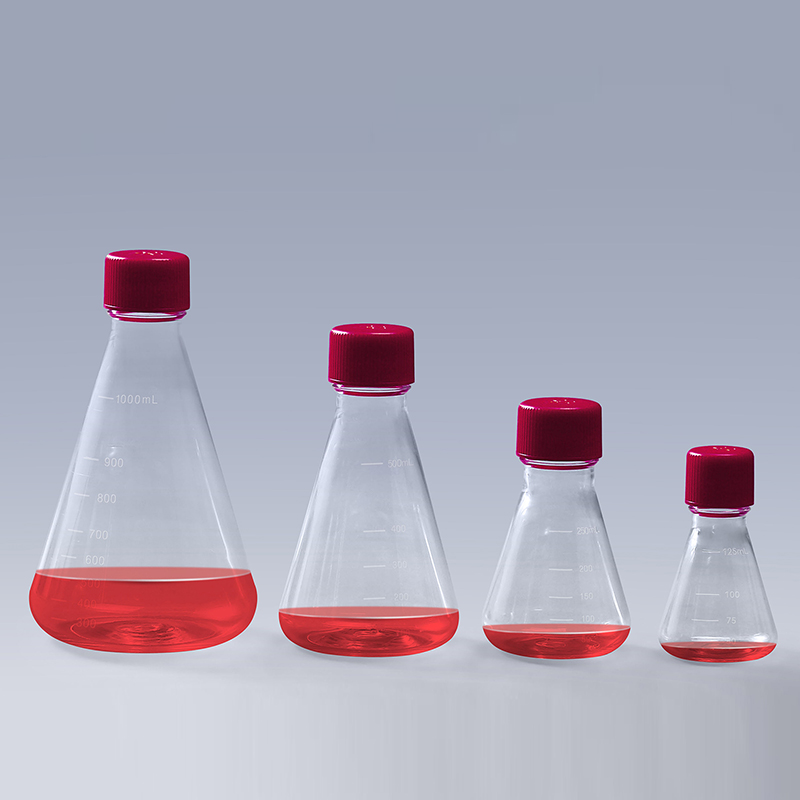
Microbial Cultures: Typically, the fill volume should not exceed one-fifth of the flask’s capacity to ensure sufficient oxygen transfer. For high oxygen demand fermentations, this can be reduced to 10%, with increased shaking speeds to meet oxygen requirements.
Mammalian Cultures: These are more sensitive to shear stress and can utilize higher fill volumes (30-40%) with lower shaking speeds (≤150 rpm). Consistency in fill volume and closure type is essential for parallel experiments to ensure uniform gas transmission rates.
Selecting the appropriate Erlenmeyer flask material and design is crucial for optimizing cultivation conditions in laboratory settings. Glass flasks offer advantages in terms of oxygen transfer and reusability, while plastic flasks provide convenience and sterility for sensitive applications. The choice between baffled and non-baffled designs depends on the specific aeration needs of the culture. Additionally, choosing the right type of cap and maintaining optimal filling volumes are key factors in achieving successful cultivation outcomes.