As vaccine manufacturers continue expanding global production capacity, advanced Cell Factory systems will play an increasingly important role in supporting safe and efficient rabies vaccine manufacturing.
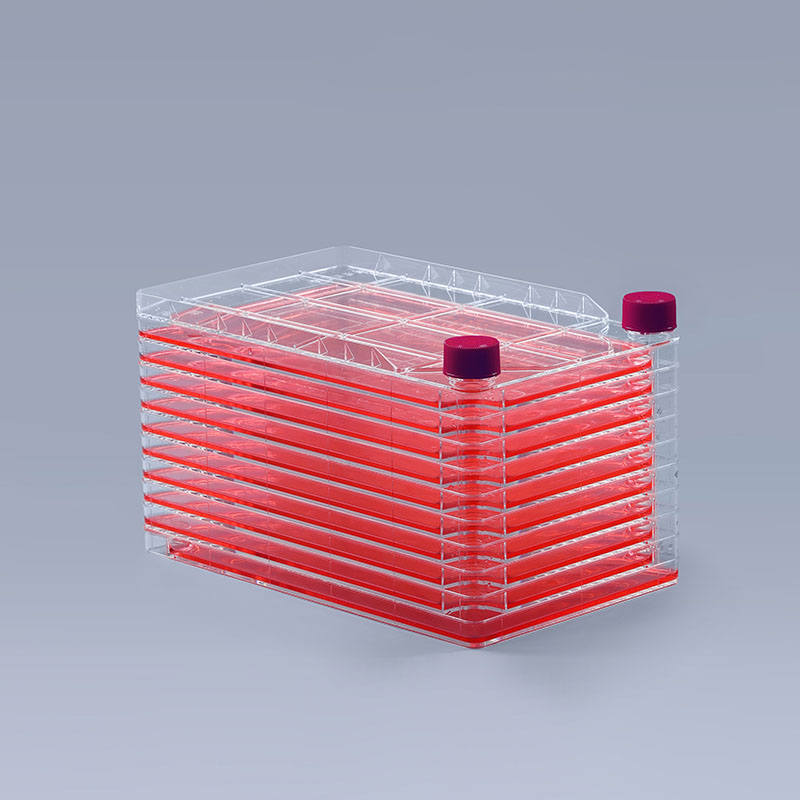
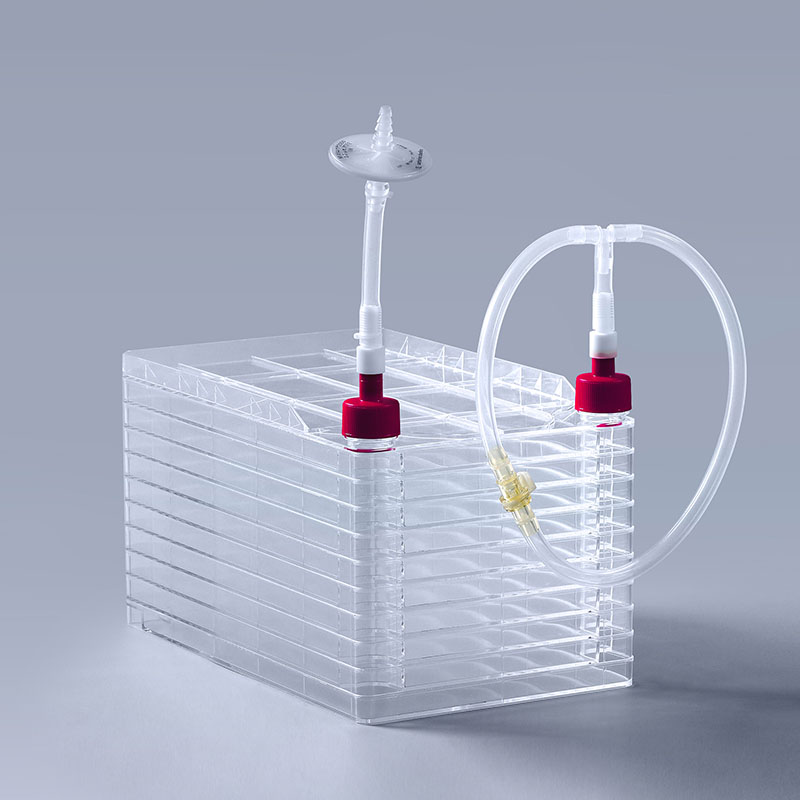
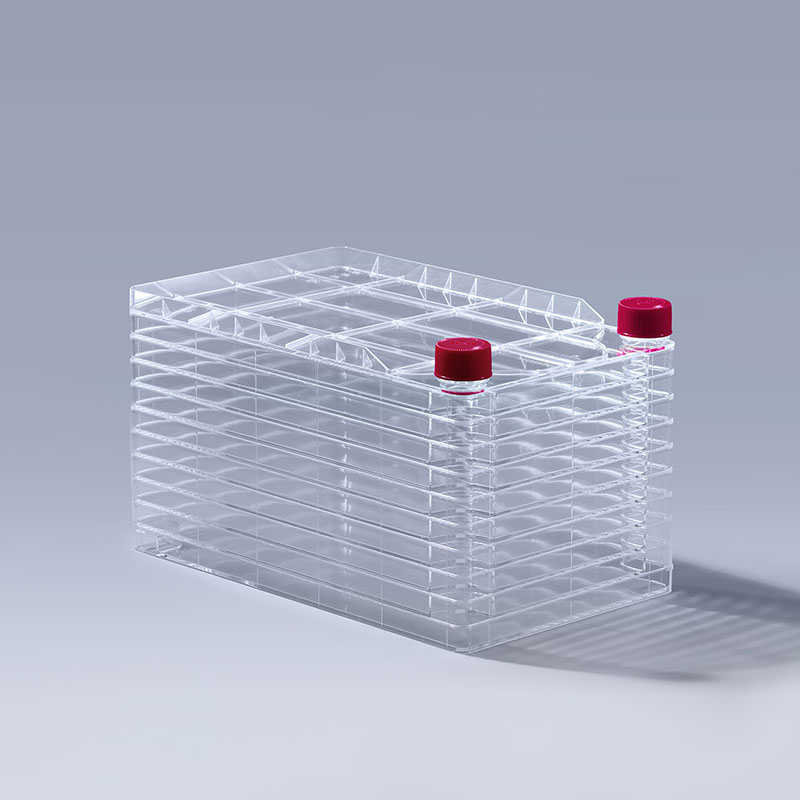
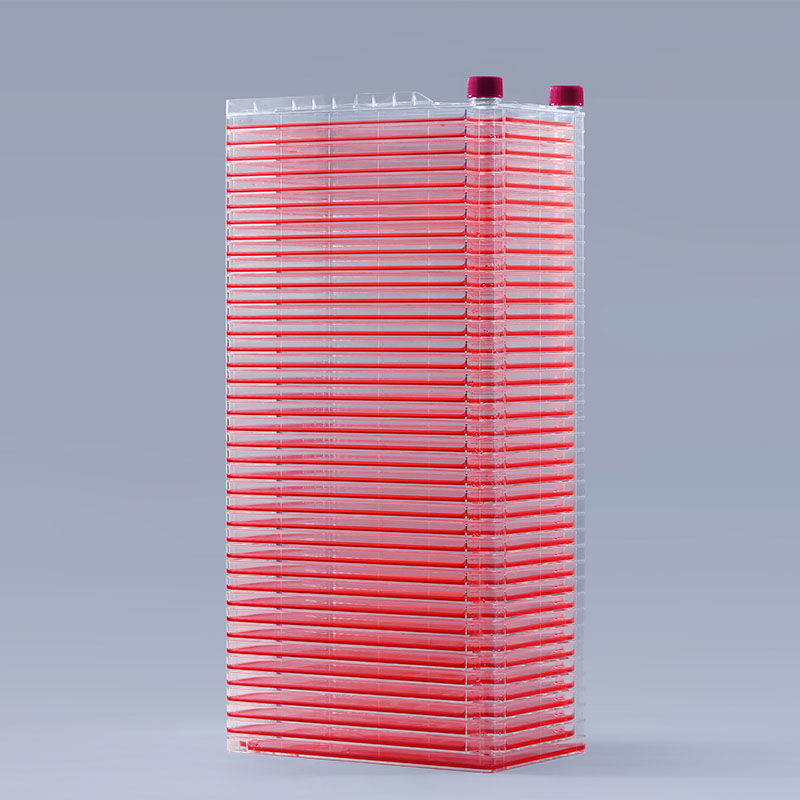
In the fields of biopharmaceuticals and vaccine production, large-scale cell culture is a critical step. However, traditional methods often suffer from low efficiency and high costs. As an innovative multi-layer cell culture device, the cell factory is becoming the ideal choice for research and production due to its high efficiency and convenience.
As a key tool for large-scale cell culture, the cell factory not only improves experimental efficiency but also provides researchers with a more stable and controlled cultivation environment.
In today's rapidly evolving biopharmaceutical landscape, despite the emergence of new technologies like single-use bioreactors, the multilayer cell factory maintains an irreplaceable position in vaccine production. This is especially true during responses to large-scale pandemics (like COVID-19), thanks to its unique and well-established advantages.
Scaling up adherent cell culture using a Cell Factory offers clear advantages in terms of surface area utilization and process familiarity. However, successful scale-up—particularly with a Multilayer Cell Factory—requires more than simply increasing culture size.
From vaccine manufacturing to gene therapy vector production, cell factories are driving cell culture from laboratory scale toward true industrialization. Within this transition, seeding density often serves as the first critical checkpoint for success.
Ella: +86 13373342369
Ella