Stem cells hold considerable promise as a source of cells for therapeutic applications in various conditions, including metabolic, degenerative and inflammatory diseases, for the repair and regeneration of damaged or lost tissues and also in the treatment of cancer.
By introducing a priority review pathway for overseas-approved drugs and refining the conditional approval framework, Japanese regulators aim to reduce drug supply risks and address unmet medical needs more efficiently.
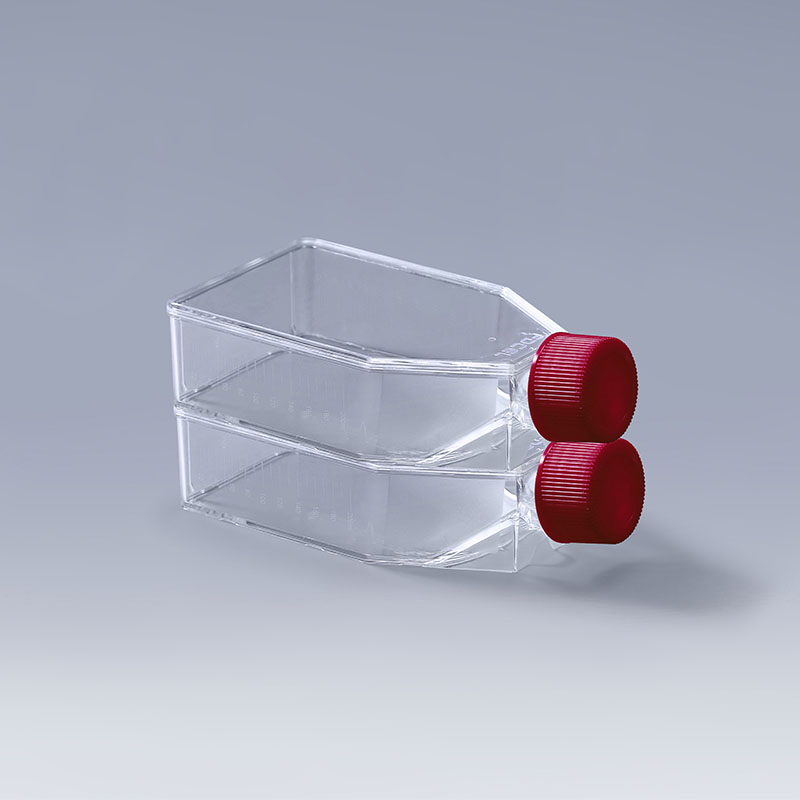
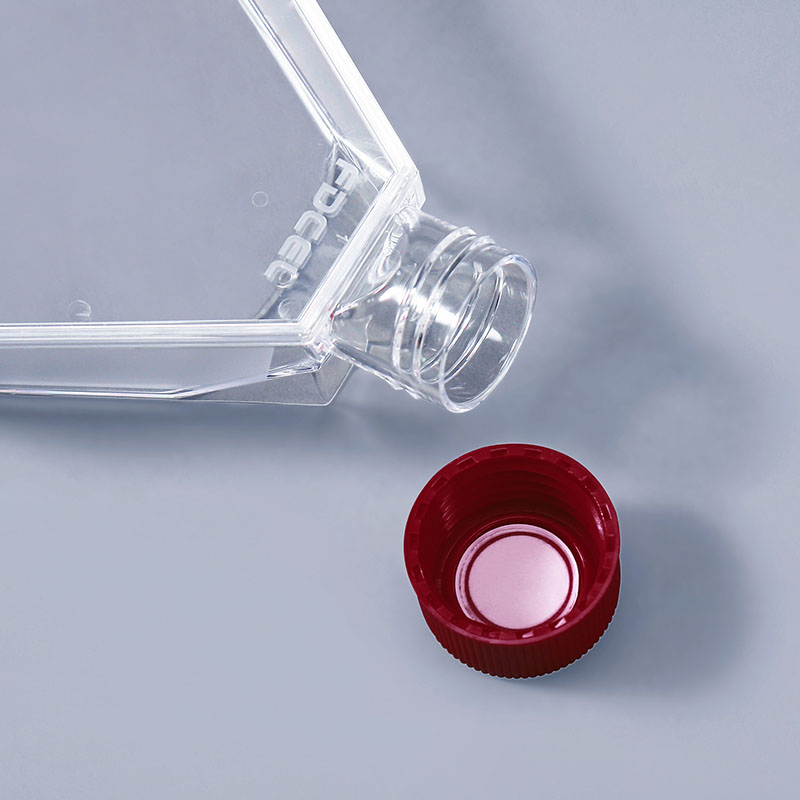
Uneven cell growth in a Cell Culture Flask can result from multiple factors, including improper seeding techniques, medium distribution differences, surface treatment variability, and environmental conditions. By carefully controlling these parameters, researchers can promote uniform cell attachment and consistent growth patterns.
Optimizing seeding density in a Cell Culture Flask is essential for achieving healthy cell growth and reproducible experimental outcomes. By considering cell type, growth surface area, and experimental objectives, researchers can determine the most appropriate seeding conditions for each workflow.
Recently, Ruijian Yilian Pharmaceutical Technology (Chengdu) Co., Ltd. announced that its globally innovative iPSC-derived universal cell therapy product for Multiple System Atrophy (MSA) — NouvNeu004 Injection — has successfully enrolled its first patient.
These countermeasures enable microbes to reduce immune clearance and promote persistence. CRP and SAA represent central elements of humoral innate immunity, shaping the outcome of host–pathogen interactions.
Ella: +86 13373342369
Ella