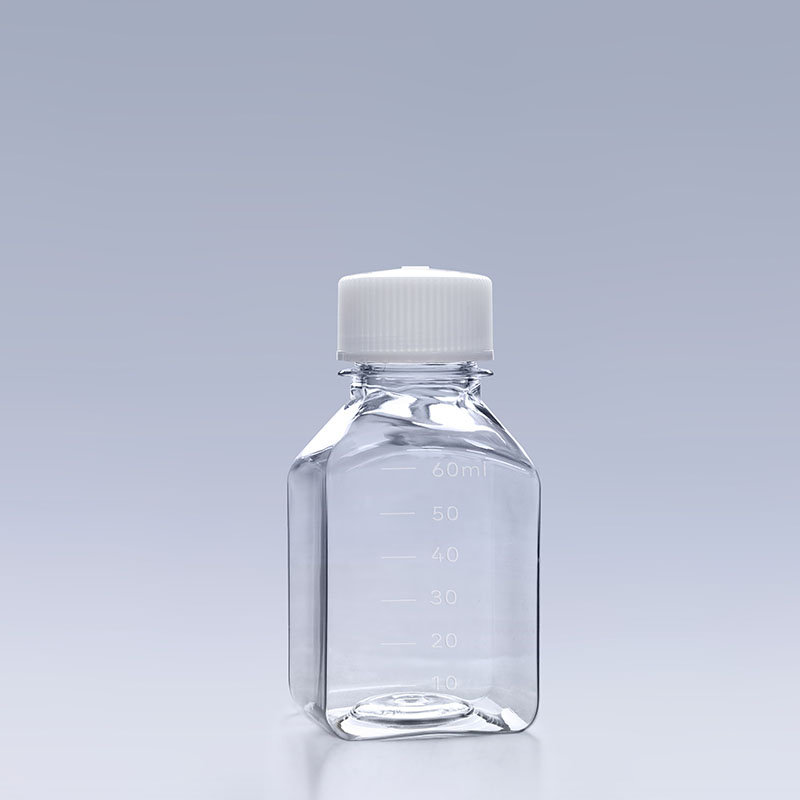
Traceability plays a vital role in ensuring the safety, reliability, and regulatory compliance of laboratory consumables. From roller bottles and media bottles to cell culture flasks, the ability to track each product batch provides laboratories with confidence in their daily research and production processes.
MICB-targeting CAR-NK (chimeric antigen receptor-modified natural killer cells) therapy may serve as off-the-shelf immunotherapy. We designed soluble Anti-MICB-scFv blocks tumor immune evasion targeting the MICB antigen, thereby enhancing CAR-NK cytotoxicity while reactivating endogenous immune attacks against malignancies.
In cell culture applications, even small amounts of contamination or particulate matter may influence experimental results or affect sensitive biological systems. For this reason, many manufacturers produce key cell culture consumables in controlled cleanroom environments.
Quality control is fundamental to the reliable production of cell culture consumables. From raw material qualification and precision manufacturing to surface treatment validation and batch traceability, each stage of the production process contributes to the performance and consistency of culture vessels.
On March 9, 2026, the U.S. Food and Drug Administration (FDA) announced new draft guidance aimed at streamlining biosimilar drug development, an initiative designed to reduce development costs and improve access to more affordable biologic medicines.
Artificial optical radiation, spanning from 100 nm to 1 mm, encompasses ultraviolet (UV) and infrared (IR) light. UV light is well known for its risks on the skin and eyes. Recently, there has been growing interest in light at 405 nm (violet-blue light, VBL) due to its antimicrobial properties and perceived safety for mammalian cells when administered in controlled amounts.
Ella: +86 13373342369
Ella