In biopharmaceutical manufacturing and life science research, cell culture processes rely on consistency, traceability, and risk control. While laboratories often focus on media formulation, cell lines, and equipment, the importance of quality control (QC) documentation for Cell Culture Consumables is sometimes underestimated. In reality, incomplete or unreliable documentation can become a hidden
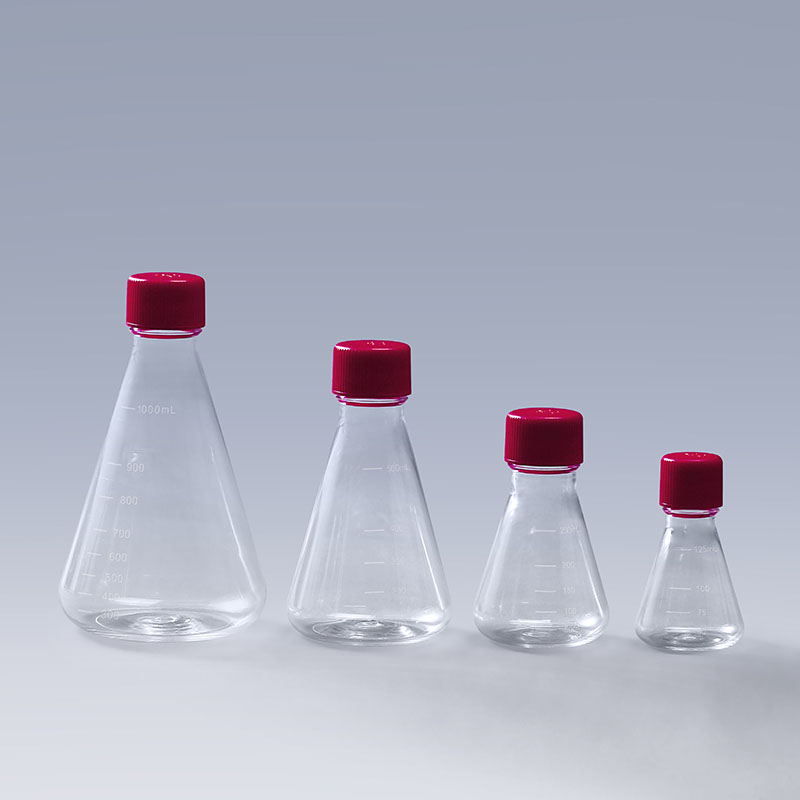
In suspension culture, working volume is one of the most underestimated parameters. Even with the same medium, shaking speed, and inoculation density, an inappropriate fill volume in an Erlenmeyer Shake Flask can significantly affect oxygen transfer, mixing efficiency, and ultimately cell growth.
These actions are aimed to safeguard consumers from drugs for which the FDA cannot verify quality, safety, or efficacy. We take seriously any potential violations of the Federal Food, Drug, and Cosmetic Act.
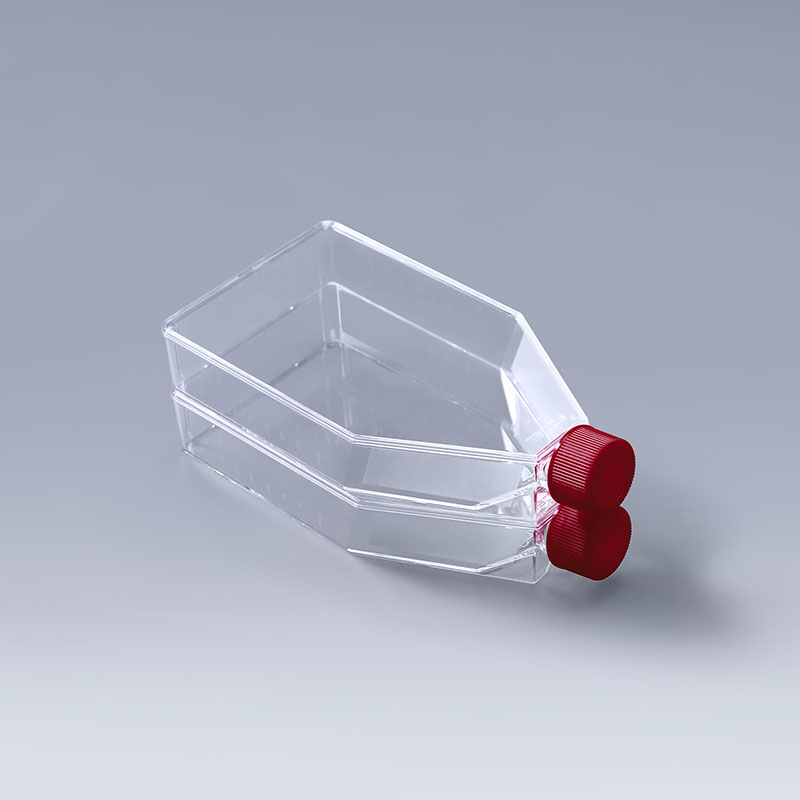
Bridging the gap between laboratory research and biopharmaceutical production requires robust, scalable, and reproducible cell culture workflows. While large-scale bioreactors are essential for commercial manufacturing, early-stage scale-up relies heavily on the performance and consistency of the cell culture flask.
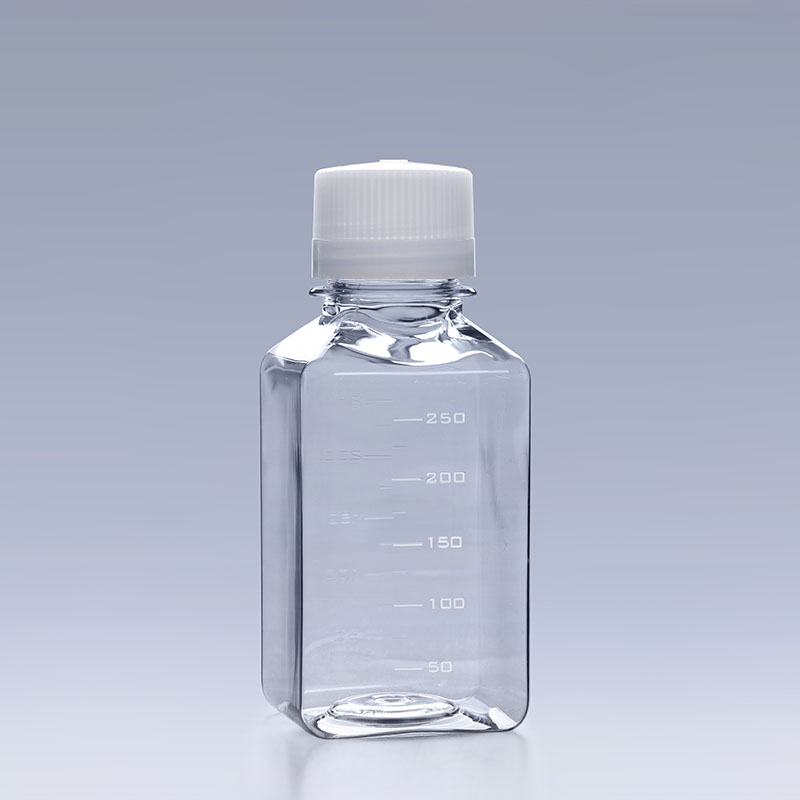
This article outlines commonly used seal integrity testing methods for media bottles and discusses acceptance criteria relevant to serum storage applications, with particular attention to PETG Media Bottle performance.
These frequently asked questions have been developed for the CDER Small Business and Industry Assistance Web site to help small pharmaceutical businesses understand the regulatory process for therapeutic biological products.
Ella: +86 13373342369
Ella