The guidance introduces the Plausible Mechanism Framework, which aims to support sponsors in generating substantial evidence of safety and effectiveness when traditional randomized controlled trials are not feasible due to extremely small patient populations.
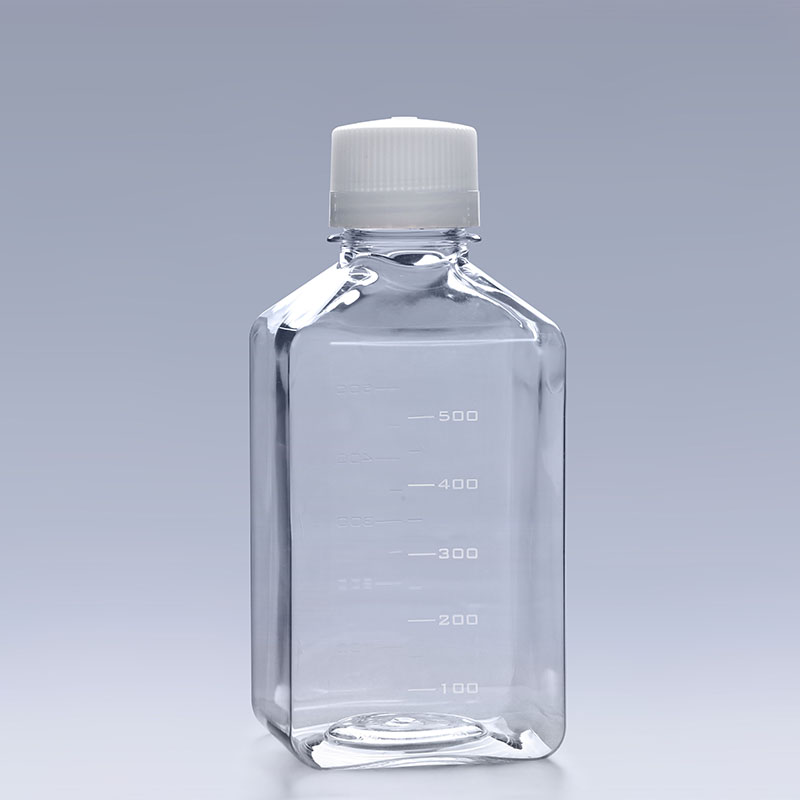
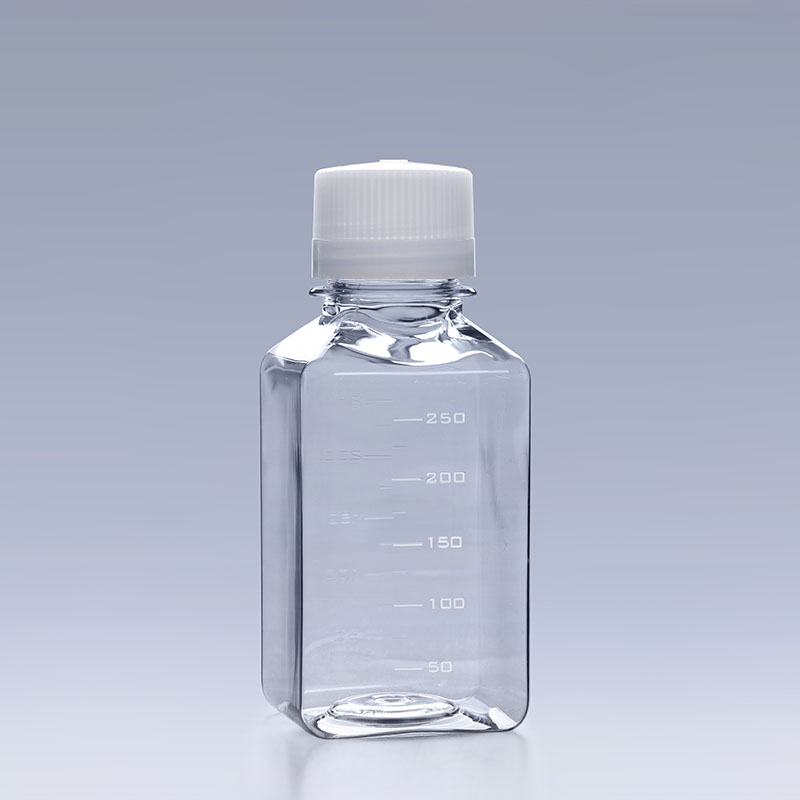
Accuracy and reproducibility are fundamental requirements in life science laboratories. While often overlooked, the transparency and graduation design of a Media Bottle can directly influence liquid handling precision, visual inspection, and overall workflow efficiency.
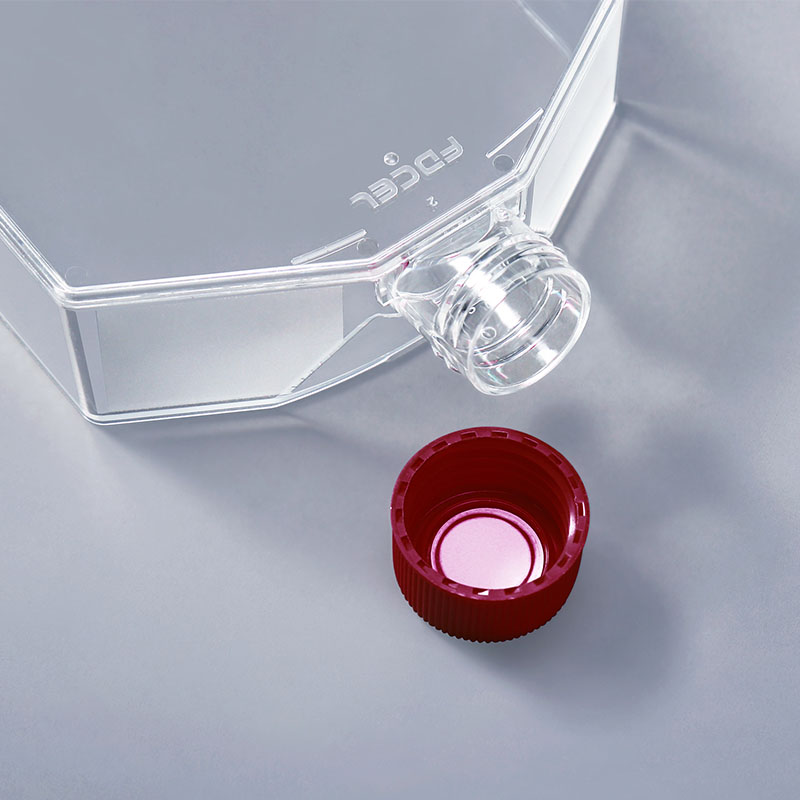
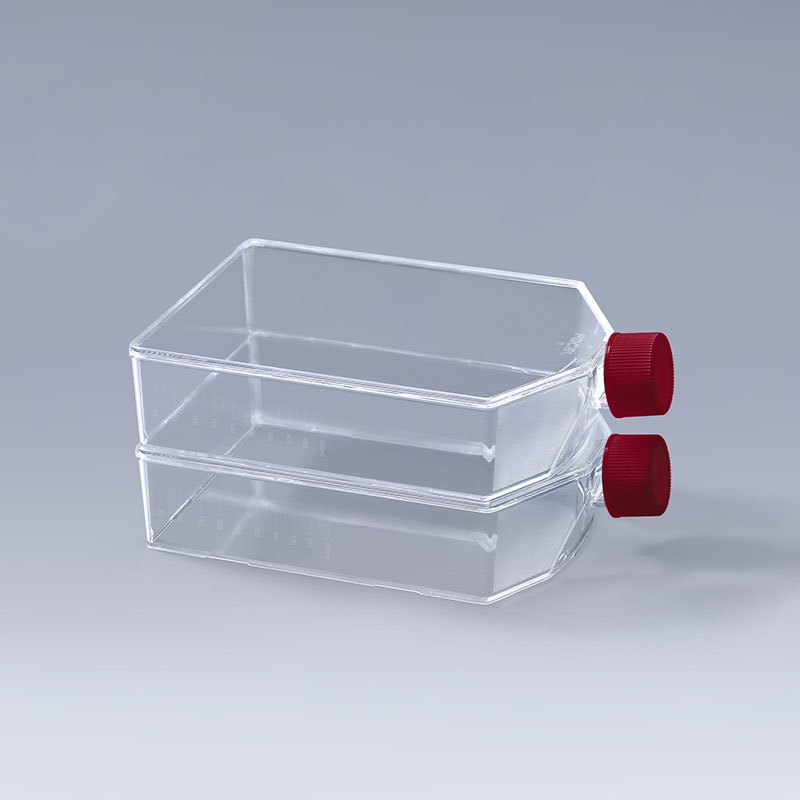
Experimental consistency is a critical requirement in cell culture–based research and bioprocess development. While protocols and cell lines are often carefully standardized, the influence of the cell culture flask itself is sometimes underestimated. Subtle differences in flask design and manufacturing can introduce variability that affects experimental outcomes.
Understanding how PETG media bottle perform in E&L evaluations helps laboratories make informed decisions and reduce potential risks to experimental reliability.
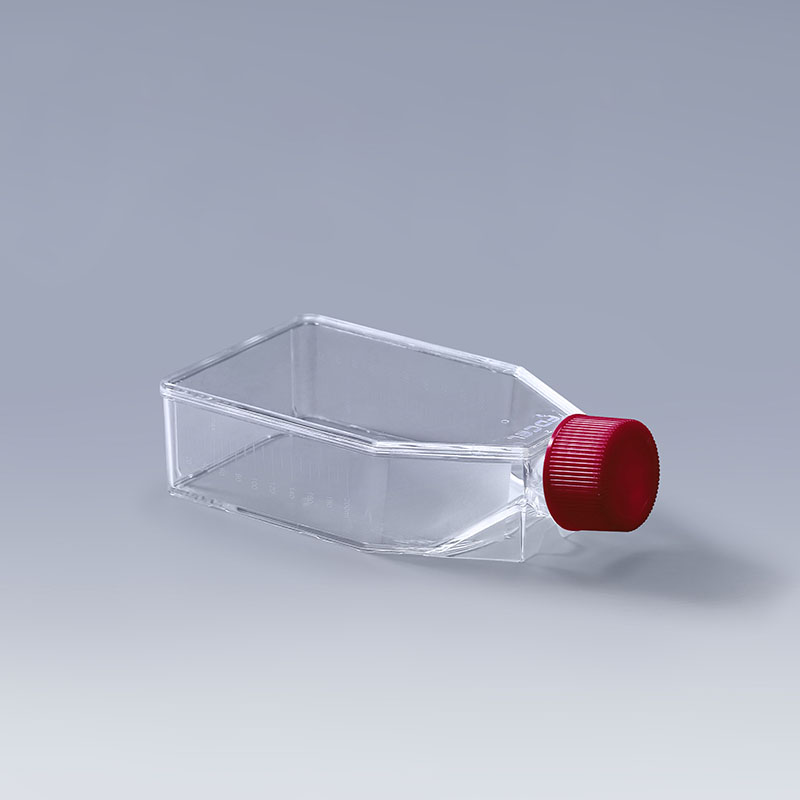
This article explores key factors related to the T75 flask itself that influence transient transfection outcomes and how they can be optimized.
Experimental repeatability is a cornerstone of reliable cell-based research, process development, and biomanufacturing workflows. While biological variables such as cell line selection and media formulation receive significant attention, the physical properties of the cell culture flask—particularly surface uniformity—play a critical but often overlooked role in experimental consistency.
Ella: +86 13373342369
Ella