Experimental consistency is a critical requirement in cell culture–based research and bioprocess development. While protocols and cell lines are often carefully standardized, the influence of the cell culture flask itself is sometimes underestimated. Subtle differences in flask design and manufacturing can introduce variability that affects experimental outcomes.
This article highlights less visible factors in cell culture flask that play a significant role in reproducibility.

Surface Treatment Variability
Even when labeled as TC-treated, not all cell culture flask provide the same surface characteristics. Differences in treatment methods and process control can lead to inconsistent cell adhesion and growth behavior.
Surface variability may result in:
Uneven cell attachment
Changes in cell morphology
Fluctuations in growth rate
These effects can compromise data consistency, especially in comparative studies.
Raw Material and Molding Precision
The quality of polystyrene resin and injection molding accuracy influence the internal surface smoothness and structural stability of a cell flask. Microscopic surface irregularities may affect cell behavior, while dimensional inconsistencies can alter growth conditions.
High manufacturing precision supports:
Reliable surface qualit
Stable flask geometry
Improved batch-to-batch reproducibility
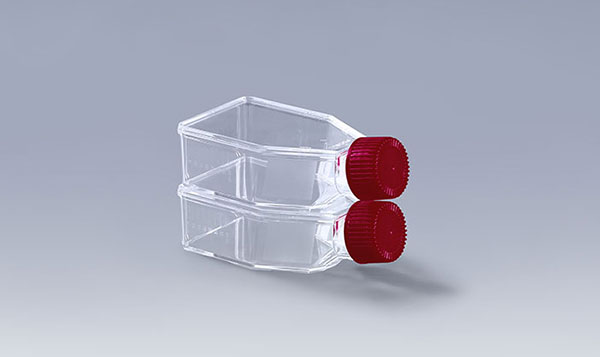
T25 TC-treated Cell Culture Flask
Gas Exchange and Cap Performance
Effective gas exchange is essential for maintaining optimal culture conditions. Variations in vented cap performance or neck design can affect oxygen transfer and CO₂ equilibrium, leading to pH instability.
Well-designed cell culture flasks maintain:
Stable culture pH
Consistent cell metabolism
Reduced environmental stress
Sterility Validation and Quality Control Depth
While sterility is a basic requirement, the robustness of validation and quality control differs among suppliers. Inadequate sterilization validation increases the risk of contamination and experimental failure.
Reliable cell culture flasks are supported by:
Validated sterilization processes
Lot traceability
Documented quality testing
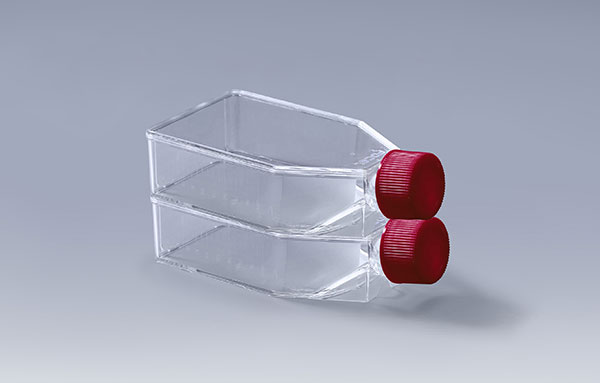
T75 TC-treated Cell Culture Flask
Batch Consistency Over Time
Long-term studies and scale-up workflows depend on consistent performance across multiple batches of cell culture flasks. Variations between batches may force protocol adjustments and reduce confidence in experimental data.
Consistent batch performance ensures smoother experimental continuity and improved reproducibility.
Conclusion
Many factors affecting experimental consistency in cell culture remain hidden at first glance. Surface treatment quality, material control, gas exchange efficiency, sterility assurance, and batch reproducibility all contribute to the performance of a cell culture flask. Recognizing and controlling these variables helps researchers reduce variability and achieve more reliable and repeatable results.










