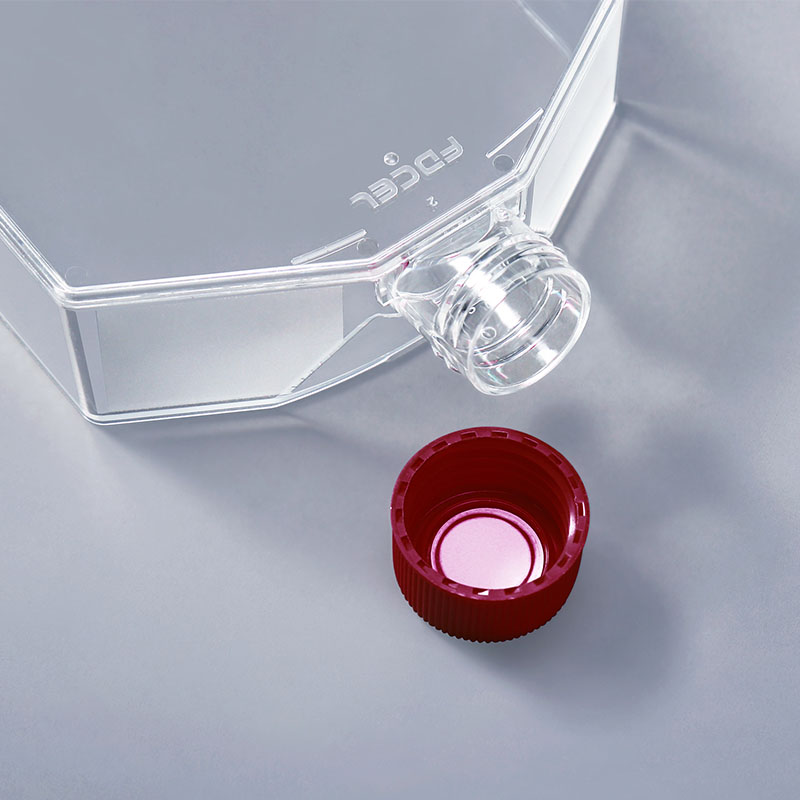
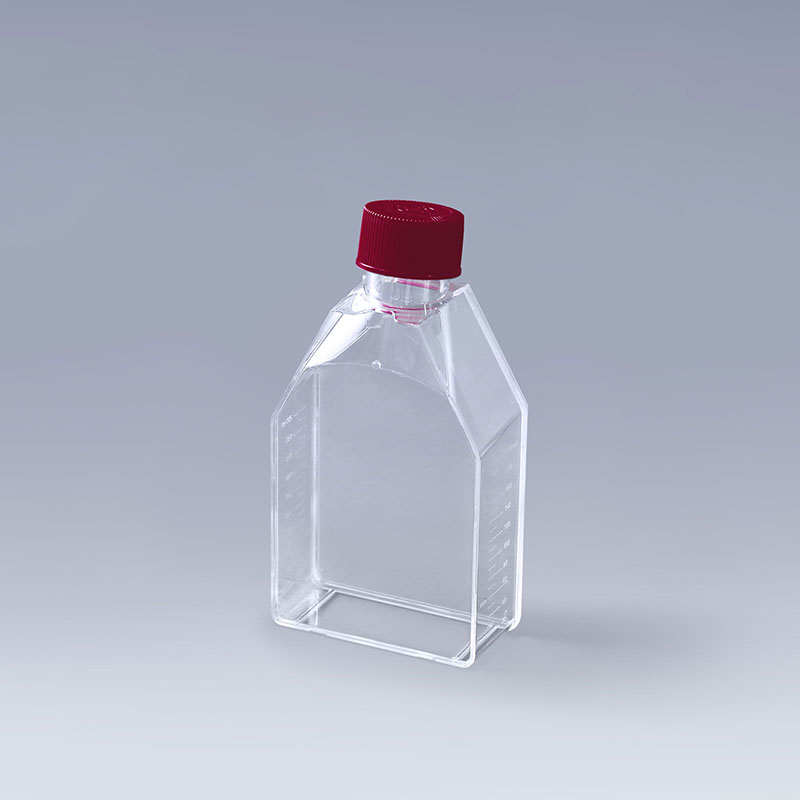
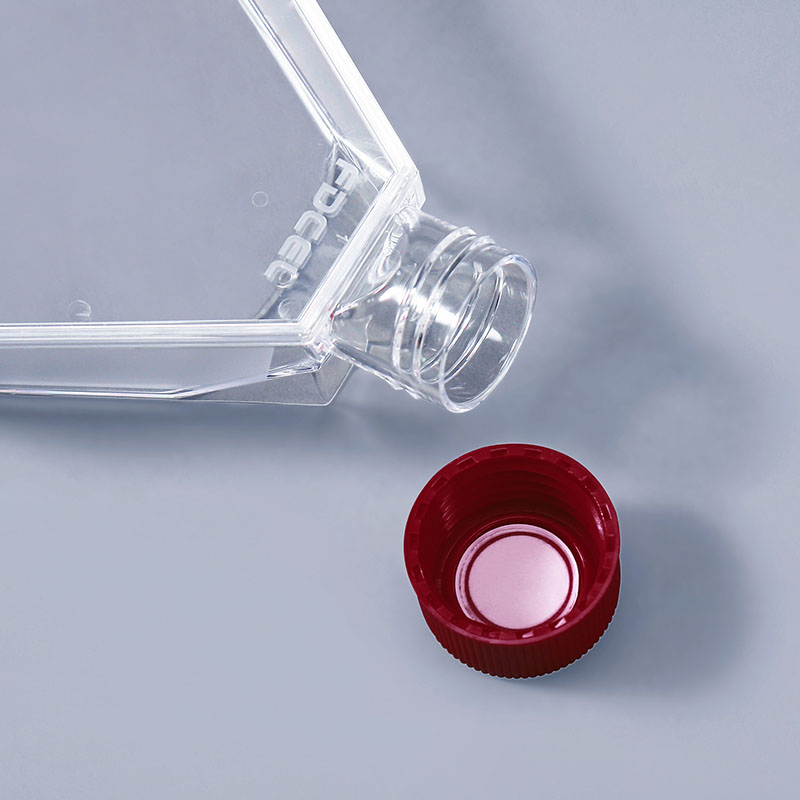
For laboratories working in gene therapy, vaccine research, protein engineering, and rapid construct screening, T-flasks remain the standard foundation for HEK293-based transient expression workflows.
The EU experts on biosimilar medicines (Biosimilar Medicines Working Party or BMWP) and the Heads of Medicines’ Agencies (HMA) Biosimilar Working Group have drafted a joint statement explaining the rationale for considering biosimilars approved in the EU as interchangeable from a scientific perspective.
HEK293 and CHO represent two complementary strategies in mammalian cell-based biotechnology. One prioritizes speed and flexibility, the other stability and scalability. Understanding these five key application differences enables more informed platform selection and smoother transitions from discovery to manufacturing.
Following the publication of the joint EMA-HMA statement on interchangeability of biosimilar medicinal products approved in the EU, both EMA and National Competent Authorities (NCAs) have received questions for clarification from healthcare professionals and other members of the public. This questions and answers (Q&A) document addresses follow-up questions received after publication of the statem
In drug discovery and pharmacological research, the stability of cell models directly determines the reliability and reproducibility of experimental data. Owing to its well-defined background, consistent responses, and high genetic flexibility, HEK293 cells are widely used in drug screening, toxicology studies, and cellular signaling research, and have become one of the preferred human cell models
Biosimilars are approved according to the same standards of pharmaceutical quality, safety and efficacy that apply to all biological medicines. The European Medicines Agency (EMA) is responsible for evaluating the majority of applications to market biosimilars in the European Union (EU).
Ella: +86 13373342369
Ella