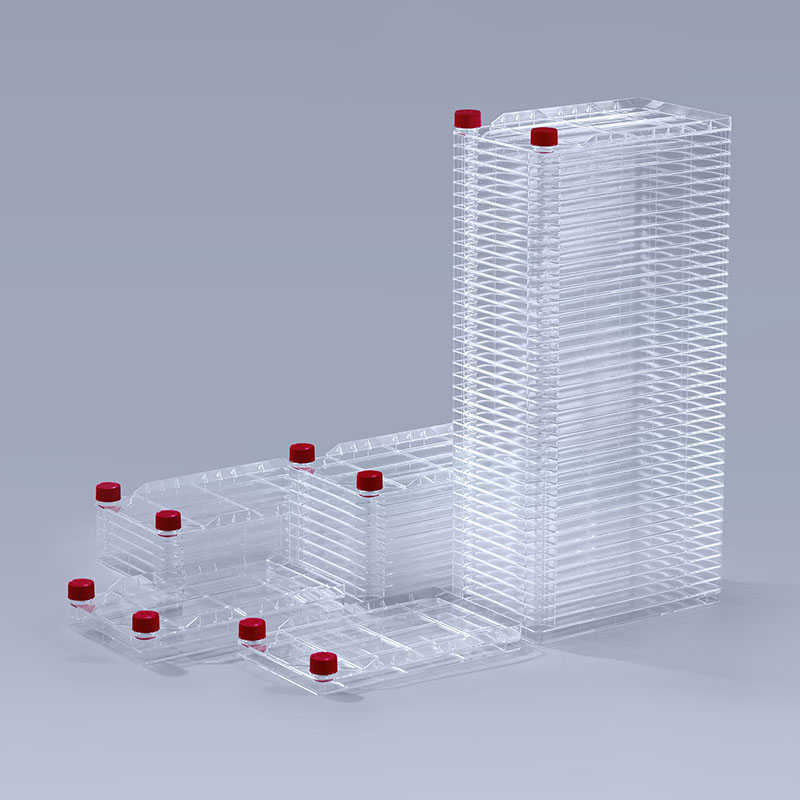
In drug discovery and pharmacological research, the stability, reproducibility, and genetic tractability of a cell model are critical to data quality. Thanks to its well-defined background, consistent response to stimuli, and high flexibility for genetic engineering, HEK293 cells have become one of the most widely used human cell models for drug screening, toxicology studies, and signaling pathway
These questions and answers address a number of questions that have been brought to the attention of the Joint Committee for Medicinal Products for Human Use / Committee for Medicinal Products for Veterinary Use Quality Working Party (QWP) by marketing-authorisation holders (MAHs) or European Economic Area (EEA) competent authorities, on matters related to the quality of medicines. They have been
This article provides a structured comparison of HEK293 and CHO cells, focusing on use cases, metabolic behavior, protein modification capabilities, and culture systems, to help teams make informed decisions when selecting a cell platform.
Maintaining healthy HEK293 cells is essential for ensuring reliable results in protein expression, viral vector production, transfection workflows, and early-stage bioprocess development. This guide summarizes the key indicators researchers should monitor—covering cell morphology, metabolic activity, and contamination risks—to help build a stable and reproducible HEK293 culture system.
Ella: +86 13373342369
Ella