In recent years, CAR-T cell therapy (Chimeric Antigen Receptor T-cell Therapy) has emerged as one of the most promising approaches in the field of cell and gene therapy. The manufacturing of CAR-T cells involves multiple steps—from T-cell isolation, activation, and transfection to large-scale expansion—each requiring tight control over the culture environment. During the early expansion and transf
Alternatively, a specific isotype and subtype may be selected to mitigate, or lessen, potential induction of unwanted biological activities. These modalities have defined structure/function domains that impart the therapeutic benefit.
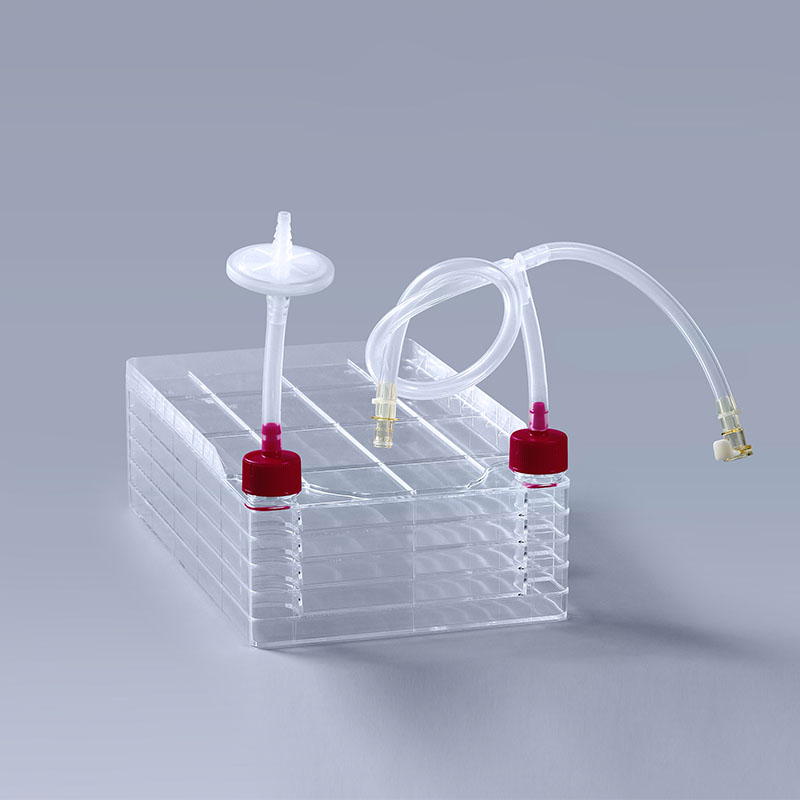
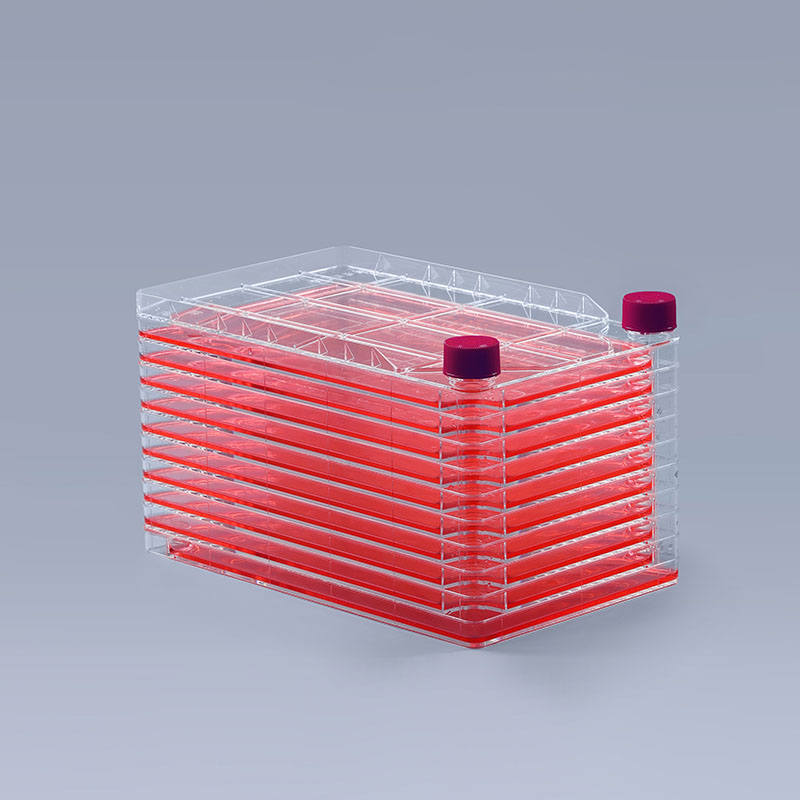
As one of the core systems for large-scale adherent cell culture, cell factory have become the foundation for standardized vaccine manufacturing. Their modular design, closed operation capability, and high space utilization make them an indispensable tool for both upstream virus cultivation and downstream process integration.
When faced with a decision regarding the quantification of microorganisms (bioburden) or performing a microbial enumeration test purposed for the examination of nonsterile products, refer to the decision tree, Figure 1, in the Appendix.
In modern biopharmaceutical production, the cell factory has become the core system for large-scale cell culture. Whether for vaccine production, monoclonal antibody manufacturing, or viral vector preparation in cell and gene therapy, stable and reproducible cell growth is the foundation of success. The design and implementation of cell factory systems are what make this stability possible.
Plasmids are double-stranded, circular DNA biological molecules that can be used as starting materials during the manufacture of cell and gene therapy (CGT) products, including linearization and subsequent translation for mRNA drug production.
Ella: +86 13373342369
Ella