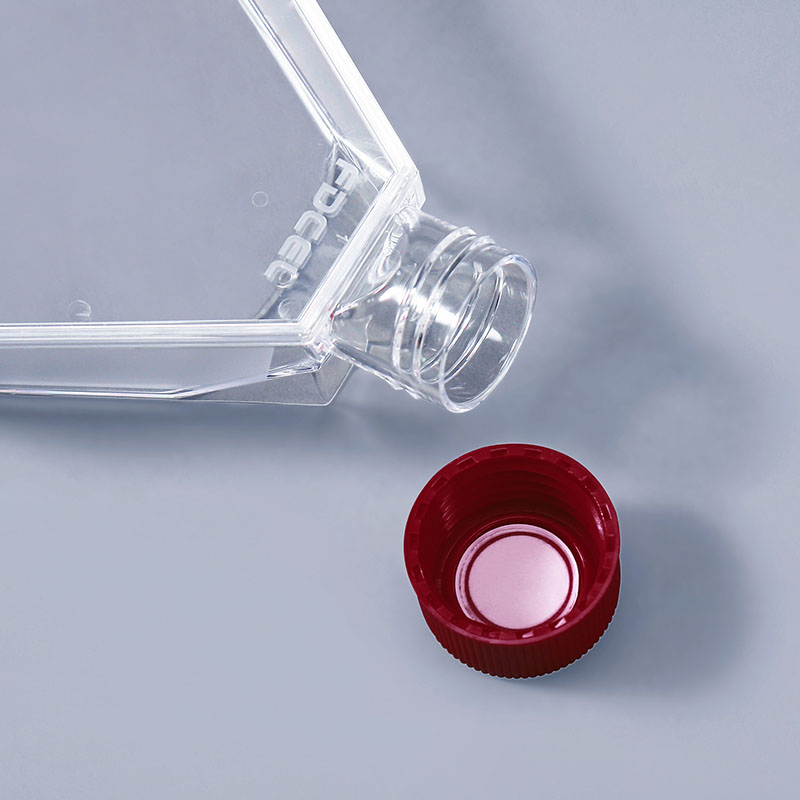
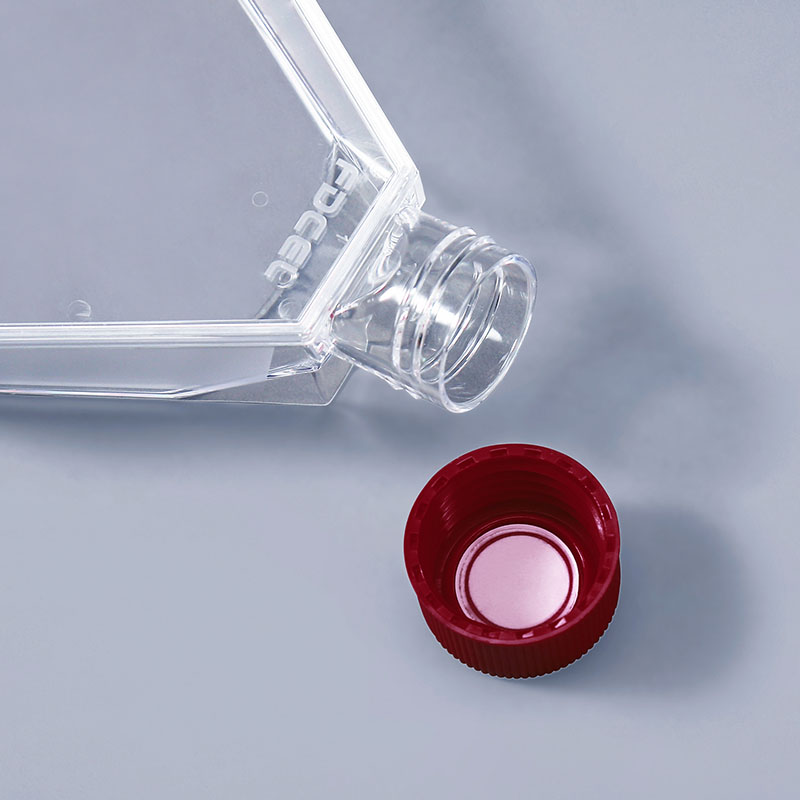
The transition from plate to flask is a crucial step in CHO early development. While microplates enable high-throughput selection, cell culture flasks provide the controlled, biologically relevant environment necessary to confirm clone robustness, metabolic stability, and scalability.
INTRODUCTION Steam sterilization of aqueous liquids (including both suspensions and emulsions with mixing), also known as sterilization of nonporous loads, is the method of choice for aqueous parenteral products, in-process aqueous liquids, laboratory media, and biological waste materials. This type of sterilization is accomplished primarily in closed containers.
Before transitioning into bioreactors and large-scale platforms, early-stage CHO process development relies heavily on tissue culture flasks(cell culture flask). These flasks provide a simple, controlled, and reproducible environment for cell banking, clone selection, media screening, and preliminary productivity evaluation.
Surfaces to be sterilized should use a higher challenge population (106 spores per unit) of a resistant BI with the expectation of no recoverable microorganisms post-process. This provides an estimated 8–9 log reduction in proximity to the BI.
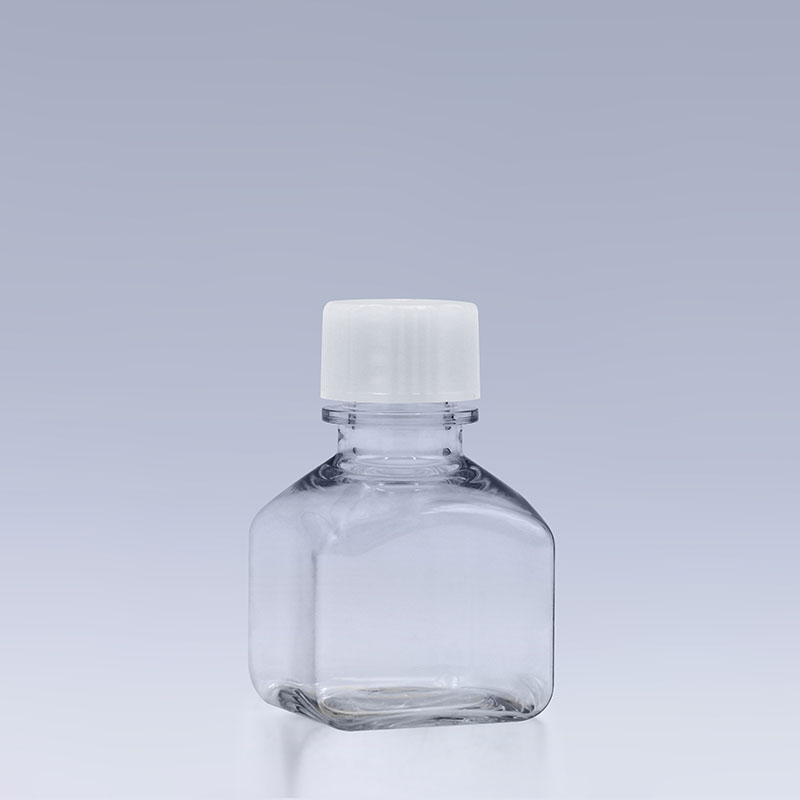
In biopharmaceutical manufacturing, primary packaging materials such as Square Media Bottle play a critical role in ensuring product safety, purity, and regulatory compliance.
Viruses contain genetic material, either DNA or RNA, and are surrounded by a protein coat and, in some viruses, by a membranous envelope. Viruses can introduce their DNA/RNA into living cells where they can replicate to spread the infection.
Ella: +86 13373342369
Ella