In summary, for HCP, whatever the product and production system, residual HCP have to be tested for on a routine basis, whereas residual DNA is tested for on a routine basis only for products derived from continuous mammalian cells.
This guide provides a comprehensive overview of which cell types are suitable for culture in cell culture flask and explains why they are well-matched to this format. It is designed as a practical reference for scientists, process developers, and QC/QA teams.
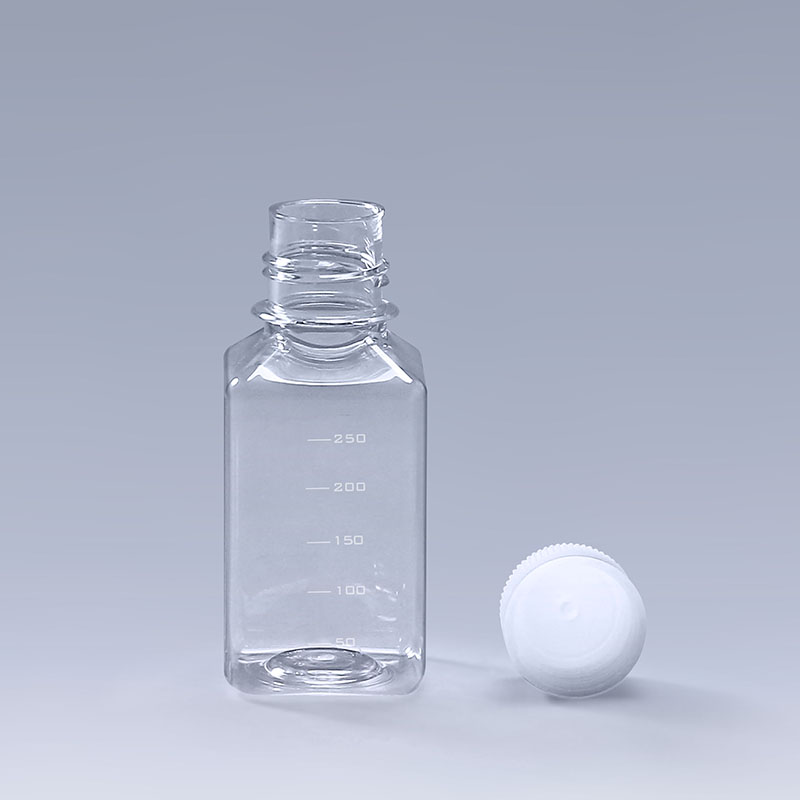
PETG square media bottles—also known as sterile media bottles, media bottles, or media storage bottles—have become increasingly popular across modern laboratories and GMP facilities precisely because they are manufactured using USP Class VI–certified materials. This certification ensures the biocompatibility, safety, and stability required for sensitive biological formulations.
Bioburden monitoring should be designed for the recovery of a broad range of microorganisms that are likely to be present in the material being processed. Sterilization processes are implemented in order to eliminate bioburden in materials and the products, ensuring both adequate process control and end-user safety.
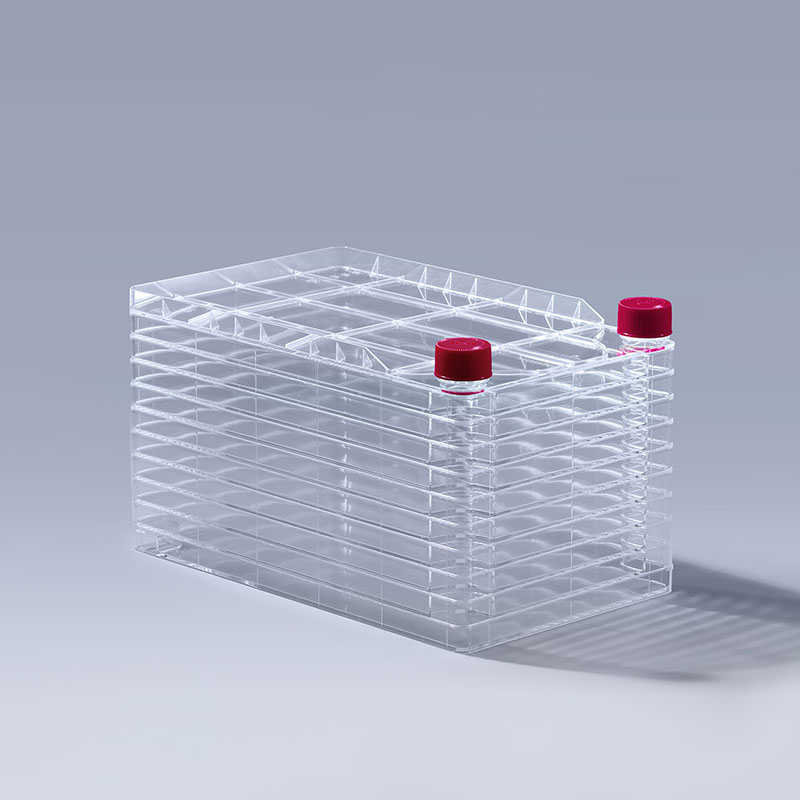
In today's rapidly evolving biopharmaceutical landscape, despite the emergence of new technologies like single-use bioreactors, the multilayer cell factory maintains an irreplaceable position in vaccine production. This is especially true during responses to large-scale pandemics (like COVID-19), thanks to its unique and well-established advantages.
These include actions and measures taken prior to, during, and subsequent to the process execution. Because these actions are performed in varied ways, the described practices are only broadly defined and will require adaptation to the individual circumstances.
Ella: +86 13373342369
Ella