In biopharmaceutical manufacturing, primary packaging materials such as Culture Media Bottle play a critical role in ensuring product safety, purity, and regulatory compliance. Whether used to store culture media, buffers, sera, or process intermediates, these containers must meet stringent standards established by global regulatory authorities—including the U.S. Food and Drug Administration (FDA) and the European Medicines Agency (EMA).
Although media bottles themselves are typically classified as container–closure systems, rather than finished medical devices or drugs, they must still adhere to regulatory expectations for materials, sterility, biocompatibility, and manufacturing quality. This article explores how PETG and PET media bottles, including sterile square media bottles commonly used in bioprocessing, align with FDA and EMA packaging requirements.
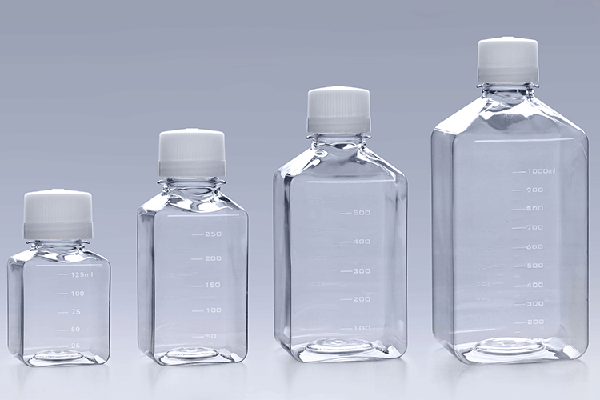
PETG Media Bottles Procurement Guide
1. Material Safety and Biocompatibility (USP , USP , ISO 10993)
Regulatory agencies require that all primary packaging materials contacting drug substances or intermediates must be biologically safe and chemically compatible.
To demonstrate safety, compliant square media bottle typically meet:
USP Class VI biological reactivity standards
USP (In Vitro Biological Reactivity)
USP (In Vivo Biological Reactivity)
ISO 10993 biocompatibility guidelines
PETG and PET materials used in media storage bottles are widely recognized for their excellent biocompatibility, chemical resistance, and stability, making them suitable for storage of buffers, culture media, and process materials.
2. Compliance with FDA Regulations for Packaging Materials
While square media bottles are not drugs themselves, they fall under FDA regulations covering materials intended for contact with drug substances:
21 CFR Part 174–186 (Indirect Food Additives / Materials Safety)
These sections describe material safety requirements for polymers that contact consumable or biological products. PET and PETG are covered under these categories and are considered compliant when produced using approved formulations.
21 CFR Part 211 (GMP for Finished Pharmaceuticals) – Container Closure Systems
FDA requires containers used in drug manufacturing environments to demonstrate:
Sterility
Integrity and leak resistance
Chemical compatibility
Resistance to extractables and leachables (E&L)
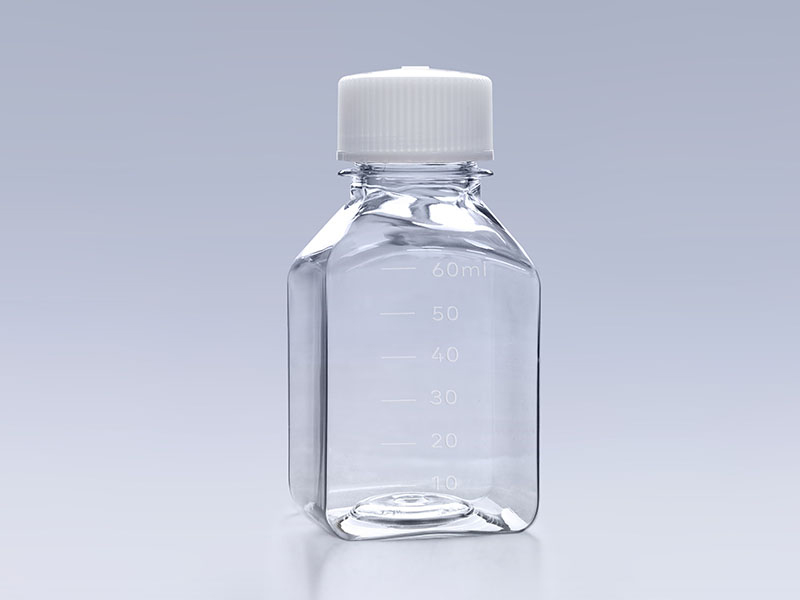
PETG sauare media bottles are designed to meet these expectations, especially when used for upstream and downstream bioprocessing steps.
3. EMA Requirements for Container–Closure Systems
EMA evaluates packaging components under the framework of:
EU GMP—Part I & II
Annex 1 (Sterile Products)
Key expectations include:
a. Controlled Manufacturing Environment
Square Media bottle should be produced in a controlled cleanroom environment, typically ISO 7/ISO 8 or equivalent , to minimize particulate and microbial contamination.
b. Safe and Inert Materials
Packaging materials must not react with or absorb components of the stored material.
c. Sterilization Validation
Gamma irradiation (e.g., Cobalt-60) used for sterile media bottles must follow validated sterilization procedures according to ISO 11137.
4. Extractables & Leachables (E&L) Compliance
Both FDA and EMA expect manufacturers to evaluate:
Potential leachable compounds under real-use conditions
Extractables under exaggerated testing conditions
PETG media bottles are known for low extractables/leachables profiles, which makes them well-suited for storing pH-sensitive liquids, culture media, and sera.
Laboratories, CDMOs, and biopharma manufacturers often request:
Extractables reports
Compliance statements
Sterilization certificates
These documents support internal risk assessment and regulatory submissions.
5. Mechanical and Functional Performance Requirements
Regulators expect all packaging to maintain product integrity during:
Storage
Freezing
Transport
Handling
PETG media bottles meet these expectations by offering:
–80°C freeze tolerance
Impact resistance superior to glass
Leak-proof closure systems
High transparency for visual inspection
Their square shape also improves storage efficiency—an increasingly important factor in GMP facilities.
6. Documentation and Traceability
FDA and EMA emphasize the importance of documentation in packaging components. Compliant suppliers of media bottles typically provide:
Certificates of Analysis (COA)
Certificate of Sterility (CoS)
Lot traceability documentation
Material safety data (MSDS)
USP Class VI statements
Gamma sterilization validation reports
Complete documentation ensures that the bottle can be used confidently in GMP operations without regulatory risks.
Conclusion
Meeting FDA and EMA requirements for media storage containers requires much more than basic functionality. Square Media bottles used in biopharmaceutical environments must comply with expectations for:
Material safety and biocompatibility
Sterilization and cleanliness
Extractables and leachables control
Manufacturing quality systems
Comprehensive documentation
PETG square media bottles, produced in controlled cleanrooms with USP Class VI materials and validated sterilization processes, provide a robust and compliant solution for researchers, CDMOs, and biopharmaceutical manufacturers.
They offer the performance and quality needed to support modern bioprocessing workflows—ensuring safety, consistency, and regulatory confidence from upstream research to large-scale manufacturing.










