Our study suggests that infliximab/adalimumab induction therapy in CD expands circulating CD24hiCD27+ B cells and reduces mature naïve B cells, while vedolizumab increases plasmablasts. These B-cell changes may reflect distinct mechanisms and serve as potential response biomarkers.
These results suggest that IRS-2 is an intercellular signaling molecule that extracellularly transmits information on amino acid deprivation stress by regulating the secretion of growth factors such as VEGF-D. Moreover, this function of IRS-2 is distinct from its currently accepted function as a mediator of the insulin/IGF-I signaling pathways.
This review covers recent advances in the diagnostic and therapeutic use of ocular EVs, with a focus on human applications and key preceding in vitro and in vivo animal studies. We also discuss future directions based on the study of EVs in other organ systems and disease sates.
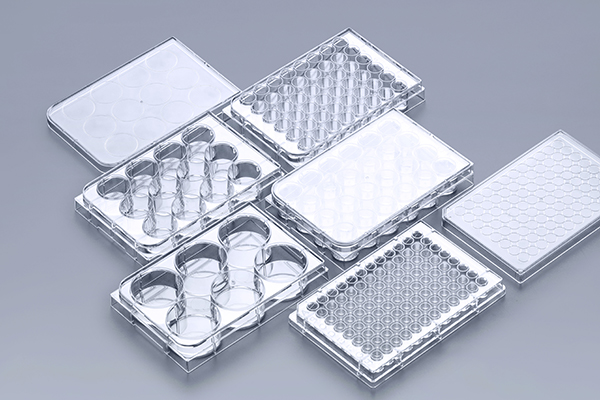
Struggling with low HEK293 cell transfection efficiency and poor protein yield? This article delves into 5 commonly overlooked key factors, from cell state to plasmid quality, providing practical strategies to optimize your experiments and achieve higher production.
This study highlights tanshinone–protein interactions observed at concentrations achievable in vivo, ensuring greater physiological relevance compared to in vitro studies that often employ supraphysiological ligand levels.
To capture the recent developments in this area, this review provides a systematic synthesis of recent advances in PENPs for DM therapy, covering plant sources, extraction and purification methods, molecular compositions, and therapeutic mechanisms.
Ella: +86 13373342369
Ella