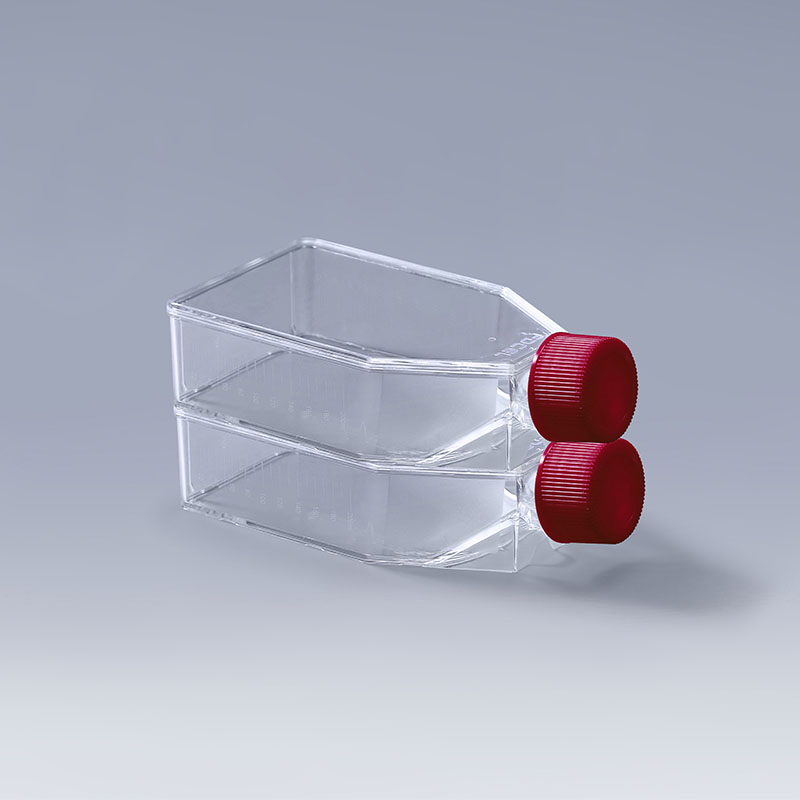
Tissue culture flasks play a critical role in this early stage — providing the controlled, reproducible environment required to initiate and expand the seed train that drives large-scale vaccine production.
Cell culture media [which includes basal cell culture media nutrient feed, and supplements (e.g., hydrolysates)] are complex mixtures that are usually comprised of a wide variety of components, including but not limited to salts, amino acids, sugars, vitamins, and minerals.
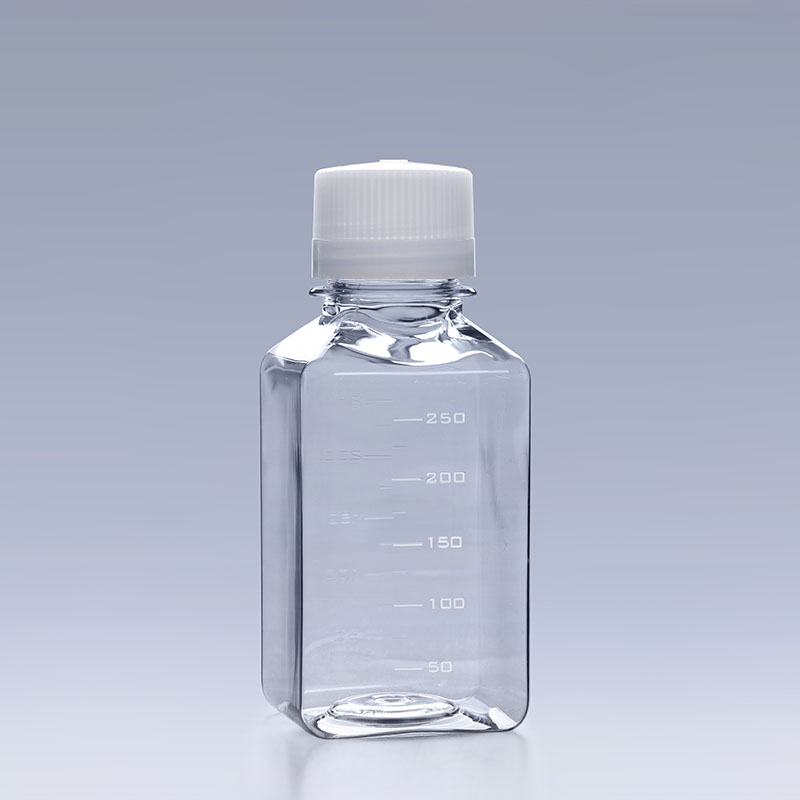
Discover how FDCELL PETG Square Media Bottles are transforming media storage inbiopharmaceutical manufacturing, Produced in Class C cleanrooms with USP Class V materialsthese sterile media bottles provide superior safety, clarity, and performance for modern labs.
Whether producing adeno-associated viruses (AAVs), lentiviruses (LVs), or adenoviruses, the quality and consistency of the production process depend heavily on the cell culture system used. Among various culture vessels, the tissue culture flasks remains the foundation for early-stage viral vector manufacturing and process development.
Stem cells hold considerable promise as a source of cells for therapeutic applications in various conditions, including metabolic, degenerative and inflammatory diseases, for the repair and regeneration of damaged or lost tissues and also in the treatment of cancer.
However, achieving optimal cell growth in tissue culture flasks depends on multiple parameters — from surface properties and gas exchange to environmental stability and handling practices.
Ella: +86 13373342369
Ella