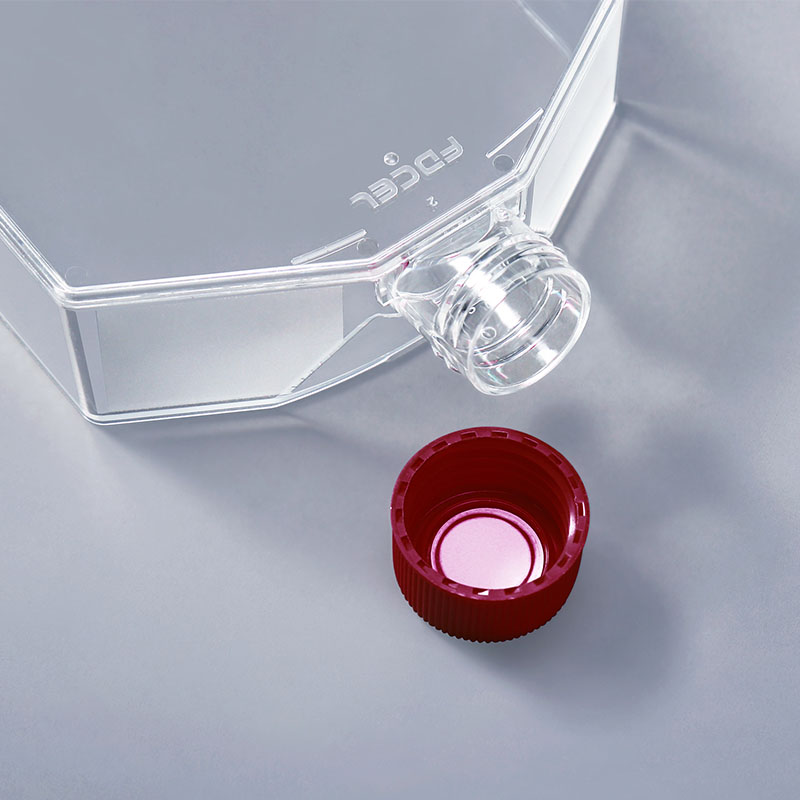
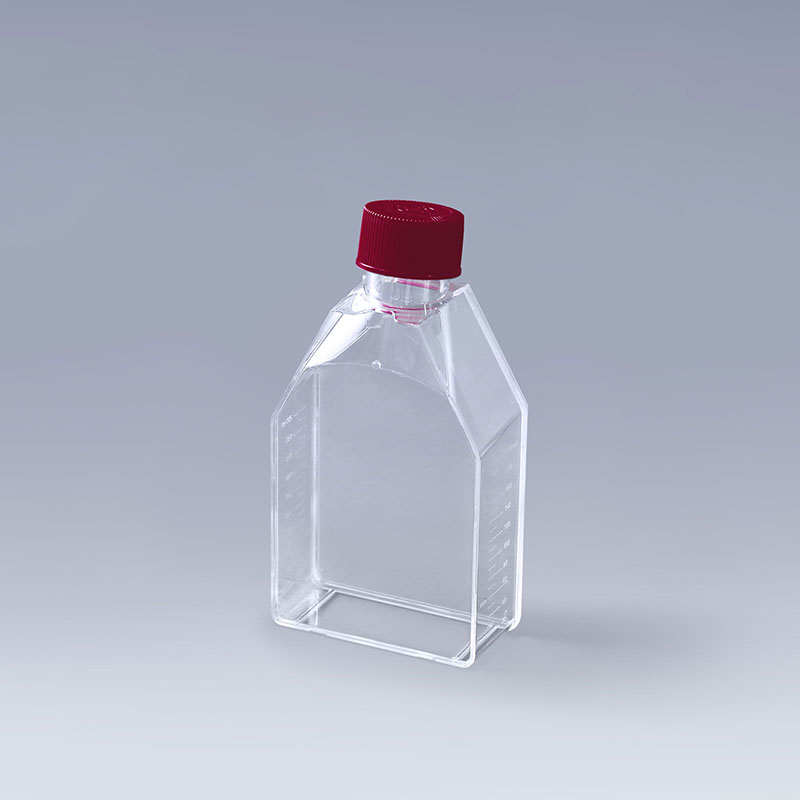
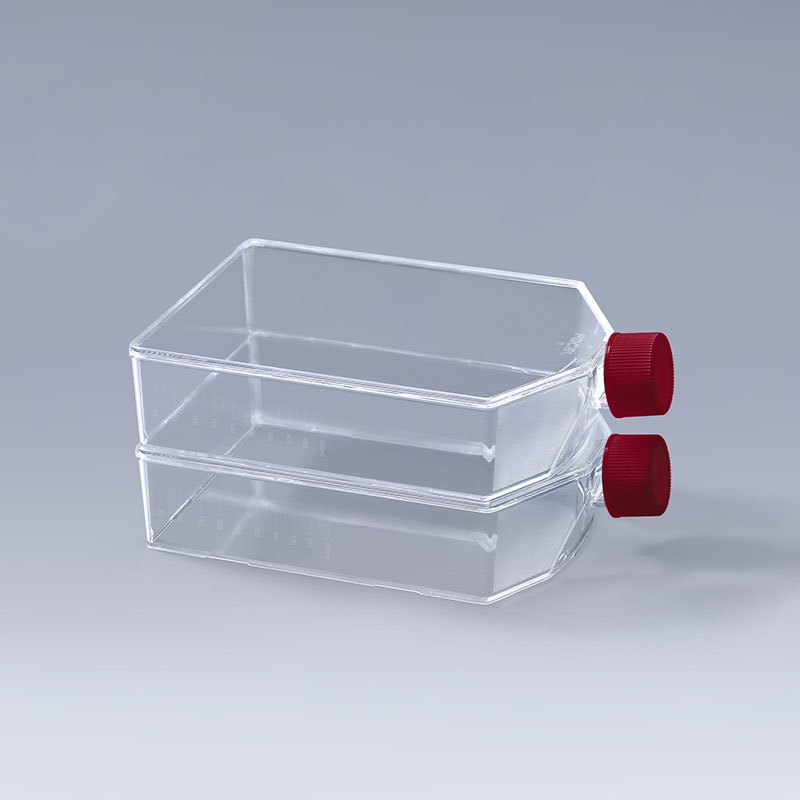
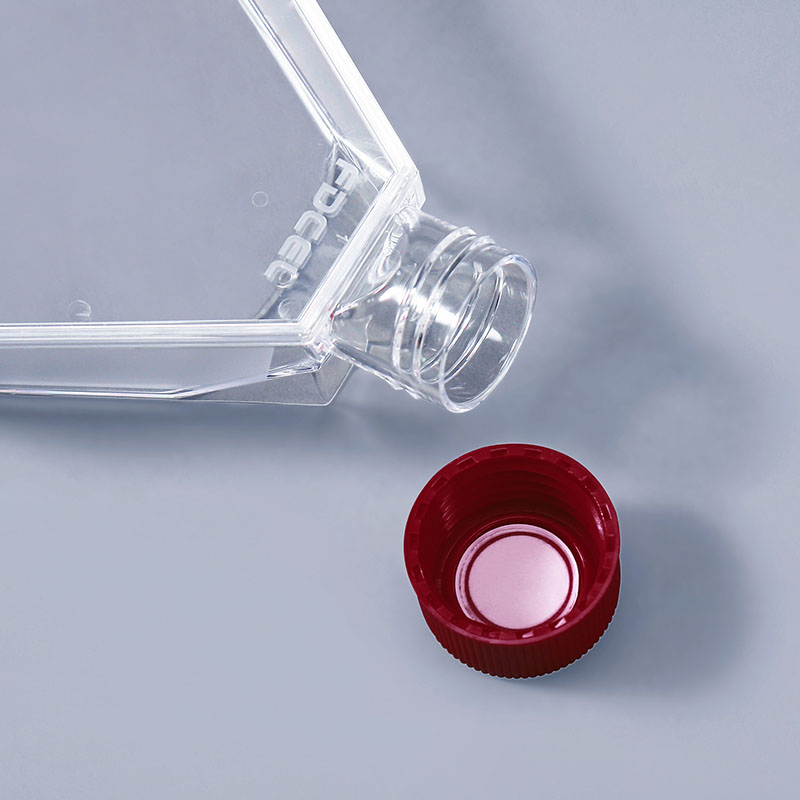
For laboratories working in gene therapy, vaccine research, protein engineering, and rapid construct screening, T-flasks remain the standard foundation for HEK293-based transient expression workflows.
HEK293 and CHO represent two complementary strategies in mammalian cell-based biotechnology. One prioritizes speed and flexibility, the other stability and scalability. Understanding these five key application differences enables more informed platform selection and smoother transitions from discovery to manufacturing.
This article provides a structured comparison of HEK293 and CHO cells, focusing on use cases, metabolic behavior, protein modification capabilities, and culture systems, to help teams make informed decisions when selecting a cell platform.
HeLa cells, derived from human cervical cancer, are one of the most widely used cell lines in biomedical research due to their robust growth and adaptability. Understanding HeLa cell growth behavior in a cell culture flask is essential for achieving consistent experimental results and optimizing cell culture conditions.
Experimental consistency is a critical requirement in cell culture–based research and bioprocess development. While protocols and cell lines are often carefully standardized, the influence of the cell culture flask itself is sometimes underestimated. Subtle differences in flask design and manufacturing can introduce variability that affects experimental outcomes.
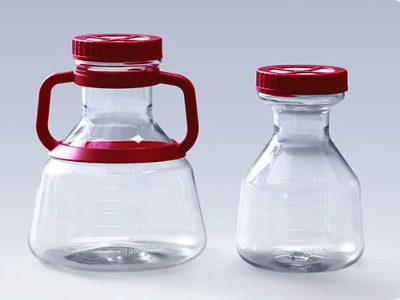
The market for high efficient Erlenmeyer flasks is evolving rapidly, driven by advancements in laboratory technology and increasing demand for precision in scientific research. These flasks, known for their conical shape and narrow neck, are essential tools in laboratories worldwide.
Ella: +86 13373342369
Ella