For more than four decades, HEK293 cells have been deeply embedded in nearly every major advancement in modern biotechnology. Whether used for recombinant protein expression, viral vector construction, gene editing, or drug screening, HEK293 has become a foundational platform cell line for research laboratories, biopharmaceutical companies, and gene therapy developers.
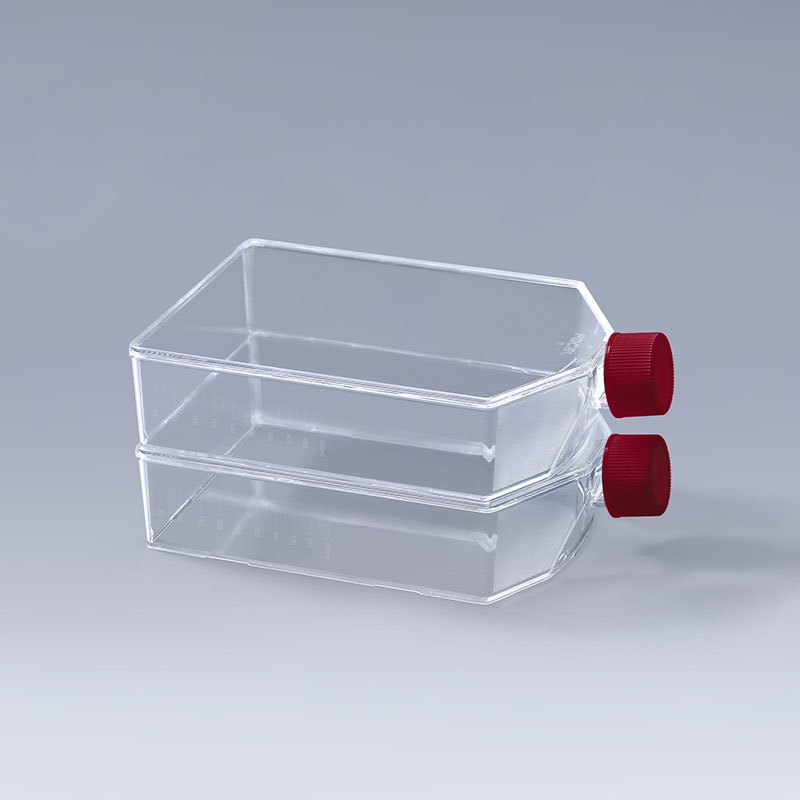
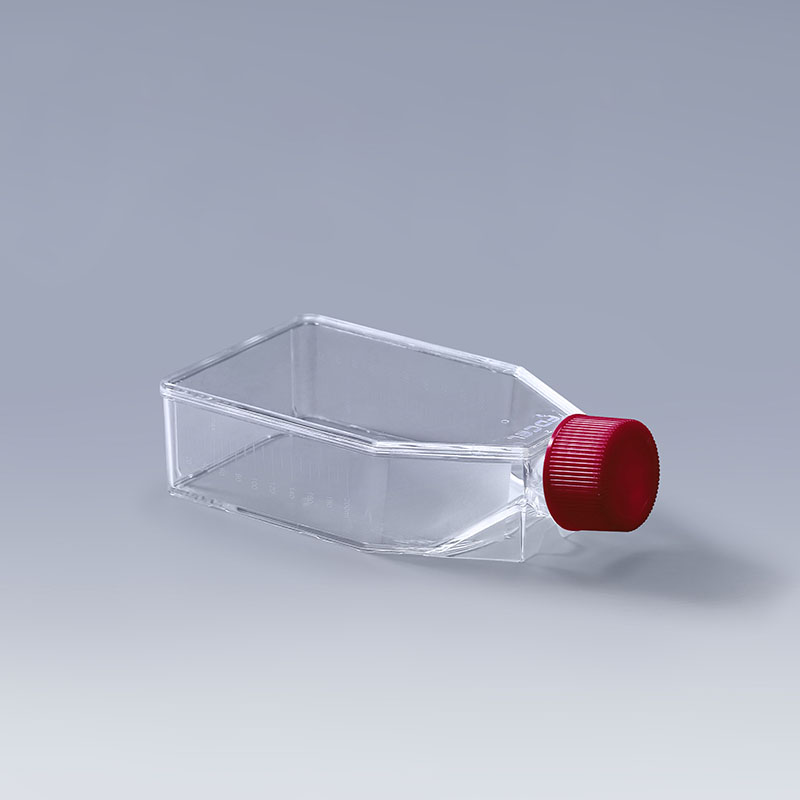
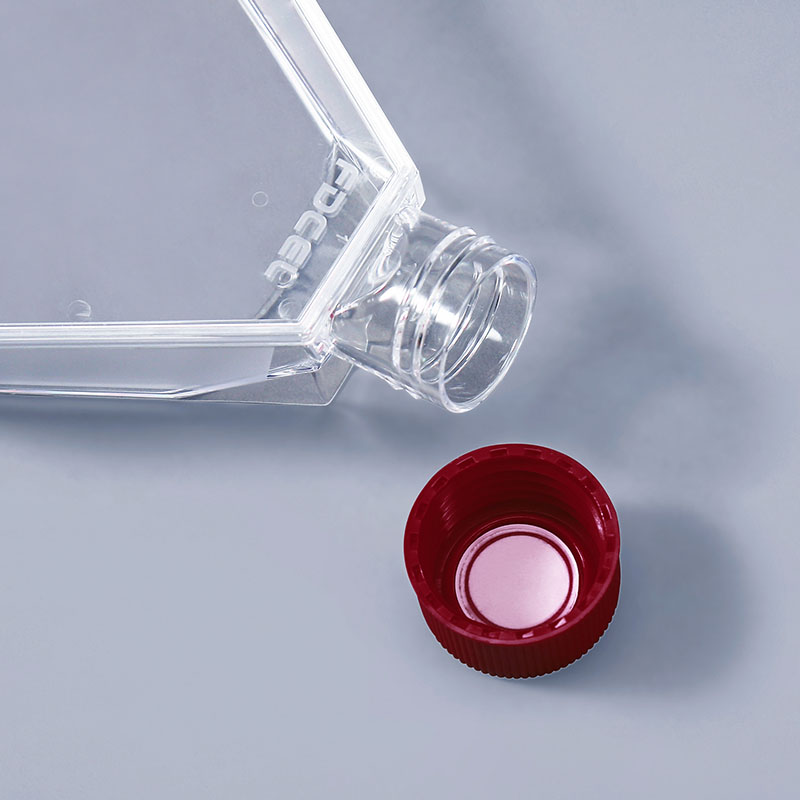
This article outlines why cell culture flask(Tissue Culture Flasks) are well suited for HEK293 culture and highlights key considerations for achieving consistent and reliable results.
HEK293 culture in a T75 flask requires careful control of seeding density, medium volume, environmental stability, and passage timing. Beyond biological parameters, the quality and consistency of the T75 cell flask play a critical role in supporting uniform attachment, stable growth, and experimental reproducibility.
From antigen screening to stable cell line expansion, HEK293 delivers high efficiency, strong expression capabilities, and process flexibility. Its unique biological characteristics continue to make it one of the most important cell lines in modern therapeutic development and biomanufacturing.
In drug discovery and pharmacological research, the stability, reproducibility, and genetic tractability of a cell model are critical to data quality. Thanks to its well-defined background, consistent response to stimuli, and high flexibility for genetic engineering, HEK293 cells have become one of the most widely used human cell models for drug screening, toxicology studies, and signaling pathway
In drug discovery and pharmacological research, the stability of cell models directly determines the reliability and reproducibility of experimental data. Owing to its well-defined background, consistent responses, and high genetic flexibility, HEK293 cells are widely used in drug screening, toxicology studies, and cellular signaling research, and have become one of the preferred human cell models
Ella: +86 13373342369
Ella