HEK293 cells are one of the most widely used human cell lines in biotechnology, gene therapy, and protein expression research. Their robust growth, high transfection efficiency, and adaptability to various culture conditions make them an ideal model for early-stage development.
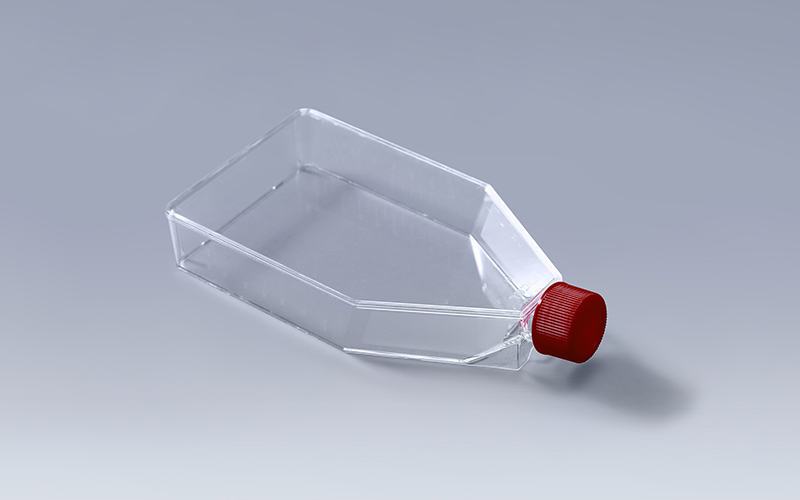
Among available culture systems, cell culture flasks remain the most commonly used vessels for HEK293 expansion, optimization, and seed preparation.
This article outlines why cell culture flask(Tissue Culture Flasks) are well suited for HEK293 culture and highlights key considerations for achieving consistent and reliable results.

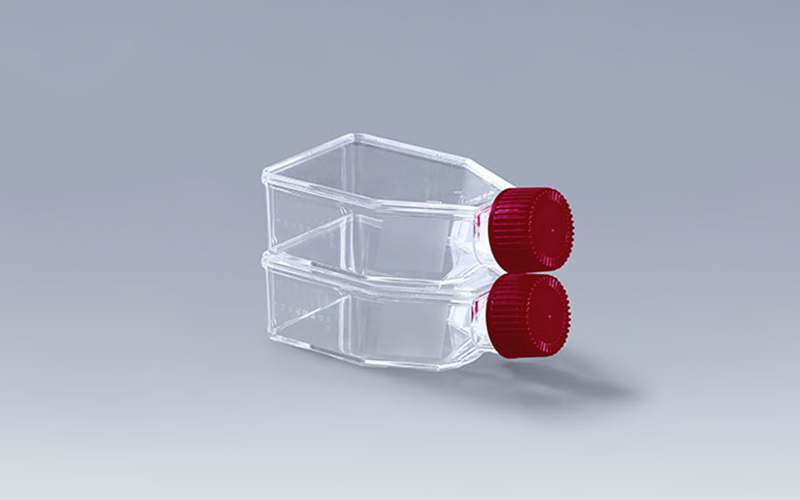
Vented Caps in Cell Culture Flasks
1. Why HEK293 Cells Are Well Suited for Flask-Based Culture
HEK293 cells exhibit several characteristics that align well with adherent culture in flasks:
Strong attachment to TC-treated polystyrene surfaces
Fast proliferation and stable morphology
High tolerance to routine handling and passaging
Excellent compatibility with transient transfection workflows
These features make HEK293 cells ideal for small- to medium-scale adherent culture, particularly during early research and process development.
2. Advantages of Using Cell Culture Flasks for HEK293
Controlled Growth Environment
Cell culture flasks provide a stable and uniform surface that supports even cell attachment and growth. Gas-permeable caps allow efficient CO₂ exchange while maintaining a closed culture environment.
Operational Simplicity
Flasks are easy to handle, monitor, and scale in parallel, making them ideal for:
routine cell maintenance
construct screening
transfection optimization
early protein expression studies
Low Contamination Risk
Minimal manipulation and closed systems reduce contamination risk compared with open culture formats, which is critical when working with sensitive HEK293 cultures.
Scalable Seeding Platform
Cell culture flasks serve as standard seed vessels before transitioning to:
multi-layer culture systems
suspension adaptation
bioreactor-based production
3. Recommended Culture Conditions for HEK293 in Flasks
Surface and Material
TC-treated polystyrene flasks are preferred
Uniform surface treatment ensures consistent cell attachment
Seeding Density
Typical seeding density: 2–4 × 10⁴ cells/cm²
Avoid over-confluence, which may affect transfection efficiency and protein expression
Culture Environment
Temperature: 37°C
CO₂: 5%
Relative humidity: >90%
Medium Management
Regular media changes every 2–3 days
Monitor pH and nutrient depletion closely
4. HEK293 Applications Using Cell Culture Flasks
Cell culture flasks are widely used in HEK293-based workflows such as:
transient protein expression
viral vector packaging (AAV, lentivirus)
reporter gene assays
CRISPR-based gene editing and validation
early-stage process development
Their flexibility allows rapid iteration and optimization across multiple experimental variables.
Recommended Medium Volumes for Cell Culture Flasks
5. Transitioning from Flasks to Larger-Scale Systems
Once culture conditions are optimized in cell culture flask, HEK293 workflows often scale to:
multi-layer cell culture systems
suspension cultures in shake flasks
single-use bioreactors
Maintaining healthy, well-characterized flask cultures is essential for successful scale-up and reproducibility downstream.
Conclusion
Cell culture flasks remain a foundational tool for HEK293 cell culture, offering a balance of control, flexibility, and reliability. Whether used for routine maintenance, transient expression, or early process development, flasks provide a stable and scalable platform that supports the diverse applications of HEK293 cells in modern life science research.










