Cell culture is a fundamental technique in biological research, allowing scientists to study and manipulate cells outside their natural environment. Whether you're new to the world of cell culture or looking to refresh your knowledge, this beginner's guide provides essential insights and tips for successful cell culture practices.
Cell culture involves the growth and maintenance of cells in a controlled environment outside their natural setting, typically in a laboratory. This technique enables researchers to study cell behavior, proliferation, and response to various conditions.
Cell cultures can be derived from a variety of sources, including animal tissues, human cells, and microbial organisms. The choice of cell type depends on the research objectives and the specific questions being addressed.
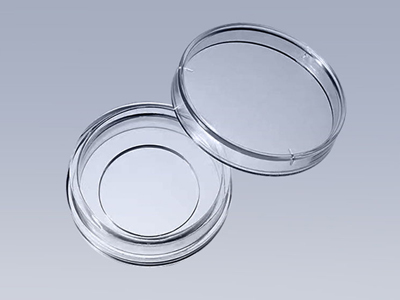
Essential equipment for a cell culture laboratory includes a laminar flow hood (for sterile work), CO2 incubator (for maintaining optimal conditions), microscope (for monitoring cell growth), and a centrifuge (for cell harvesting). Familiarize yourself with these tools and their functions.
Sterility is crucial in cell culture to prevent contamination and ensure reliable results. Practice aseptic techniques, including proper handwashing, wearing sterile gloves, and working in a laminar flow hood when handling cells and culture media.
Culture media provide cells with the nutrients necessary for growth. Understand the composition of different types of media, including basal media and supplements such as fetal bovine serum (FBS), antibiotics, and growth factors.
Cell passaging involves transferring cells from one culture vessel to another to maintain their growth. Master the technique of trypsinization for detaching adherent cells and follow proper dilution ratios when subculturing cells.
Accurate cell seeding density is crucial for maintaining healthy cell cultures. Use a hemocytometer or an automated cell counter to determine cell concentration and ensure consistent seeding for experiments.
Cells have specific requirements for temperature, humidity, and CO2 levels. Understand the optimal growth conditions for your cell line and regularly monitor and adjust these parameters in the CO2 incubator to ensure optimal growth.
Cells have a limited lifespan in culture, and passaging is necessary to maintain a continuous supply. Plan cell passages based on the growth rate of your cell line and avoid letting cells become overly confluent, as this can affect their health and behavior.
Learn proper techniques for freezing cells to create a cell bank for long-term storage. Cryopreservation involves using a cryoprotectant and liquid nitrogen to preserve cell viability during freezing and thawing.
Regularly inspect cells under a microscope to assess their morphology, adherence, and overall health. Changes in cell appearance can indicate issues such as contamination or stress.
Contamination is a common challenge in cell culture. Implement strict protocols to prevent contamination, including proper cleaning of equipment, frequent monitoring, and immediate action in case of suspected contamination.
Maintain detailed and accurate records of your cell culture experiments. Use a lab notebook to document procedures, cell passages, media formulations, and any observations. Good record-keeping is essential for reproducibility and troubleshooting.
Adhere to data integrity and compliance standards in your laboratory. Clearly document experimental protocols, results, and any deviations from the planned procedures. Compliance with ethical guidelines is crucial for the validity of your research.
Embarking on a journey into cell culture requires patience, precision, and a commitment to maintaining the highest standards of laboratory practice. By mastering the fundamental techniques and principles outlined in this guide, you'll be well-equipped to conduct successful cell culture experiments and contribute to advancements in biological research.










