Cell culture techniques play a crucial role in modern scientific research, offering scientists a way to study and understand the behavior of cells in a controlled laboratory environment. This article aims to provide you with an in-depth understanding of laboratory cell culture and its various techniques, with a particular focus on the use of cell culture dishes. Let's dive into the fascinating world of cell culture together.
Cell culture is the process of growing and maintaining cells outside their natural environment, typically within a laboratory setting. This technique allows researchers to investigate various biological processes, conduct experiments, and develop new therapies and treatments.
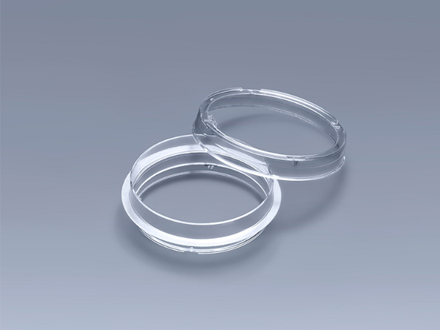
Cell culture dishes are specifically designed containers that provide an optimum environment for cell growth. These dishes are typically made of plastic and are sterilized to prevent contamination. They offer a flat surface for cells to adhere to and allow researchers to easily observe and manipulate the cells during the culture process.
Primary cell culture involves the isolation of cells directly from living tissues. These cells retain their original characteristics and behaviors but have a limited lifespan in culture. Primary cell culture is commonly used for studying normal cell biology and can be challenging due to the technical expertise required.
Cell line culture involves the use of immortalized cells that can divide indefinitely in culture. These cells have undergone modifications to bypass the natural cellular aging process. Cell lines are widely used in research, as they provide a continuous and reliable supply of cells with consistent behavior.
In serum cultures, cells are grown in a nutrient-rich medium supplemented with fetal bovine serum. This serum contains essential growth factors and hormones that support cell growth. Serum cultures are commonly used for proliferating a wide variety of cell types.
As an alternative to serum cultures, serum-free media can be used. These media formulations are specifically developed to provide cells with all the necessary nutrients without the need for serum supplementation. Serum-free cultures are beneficial when studying specific cellular responses or when working with sensitive cell types.
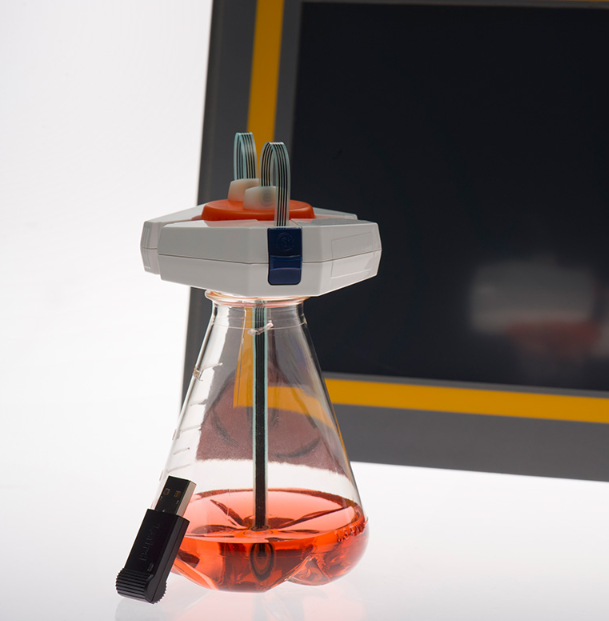
Online GlucoseLactate Monitoring System
3D cell culture techniques aim to mimic the natural cellular environment more accurately. Cells are grown within a three-dimensional matrix, allowing them to form complex structures and interactions similar to those found in vivo. This technique is particularly useful for studying tissue development and disease progression.
Co-culture involves growing different cell types together in the same culture dish. This approach enables researchers to investigate cell-cell interactions, mimic organ systems, and study complex physiological processes. Co-culture techniques have proven valuable in fields such as cancer research and drug development.
Organ-on-a-chip technology aims to replicate the functionalities of human organs by integrating multiple cell types on microfluidic devices. This approach provides a more accurate representation of organ behavior, allowing researchers to study diseases and test potential treatments in a controlled environment.
Stem cell culture techniques have revolutionized scientific research and regenerative medicine. By manipulating stem cells, researchers can generate various specialized cell types for transplantation, disease modeling, and drug testing. This field holds immense promise for future medical advancements.
In conclusion, laboratory cell culture techniques, including the use of cell culture dishes, form the backbone of modern scientific research. The ability to grow and manipulate cells outside their natural environment has revolutionized our understanding of biology and has profound implications for various fields. By staying up-to-date with emerging techniques and technologies, researchers can unlock even greater insights and advancements in this exciting field.










