The U.S. Food and Drug Administration (FDA) has issued final guidance addressing postapproval manufacturing changes to biosimilar and interchangeable biosimilar products, providing manufacturers with clearer recommendations for managing changes throughout the commercial lifecycle of biological products.
Published on October 9, 2026, the final guidance answers common questions from biosimilar applicants and other stakeholders regarding manufacturing changes made after a product has been licensed under the Public Health Service Act.
The guidance finalizes a draft originally issued in July 2024 and reflects the FDA’s continued focus on lifecycle management for biosimilar products.
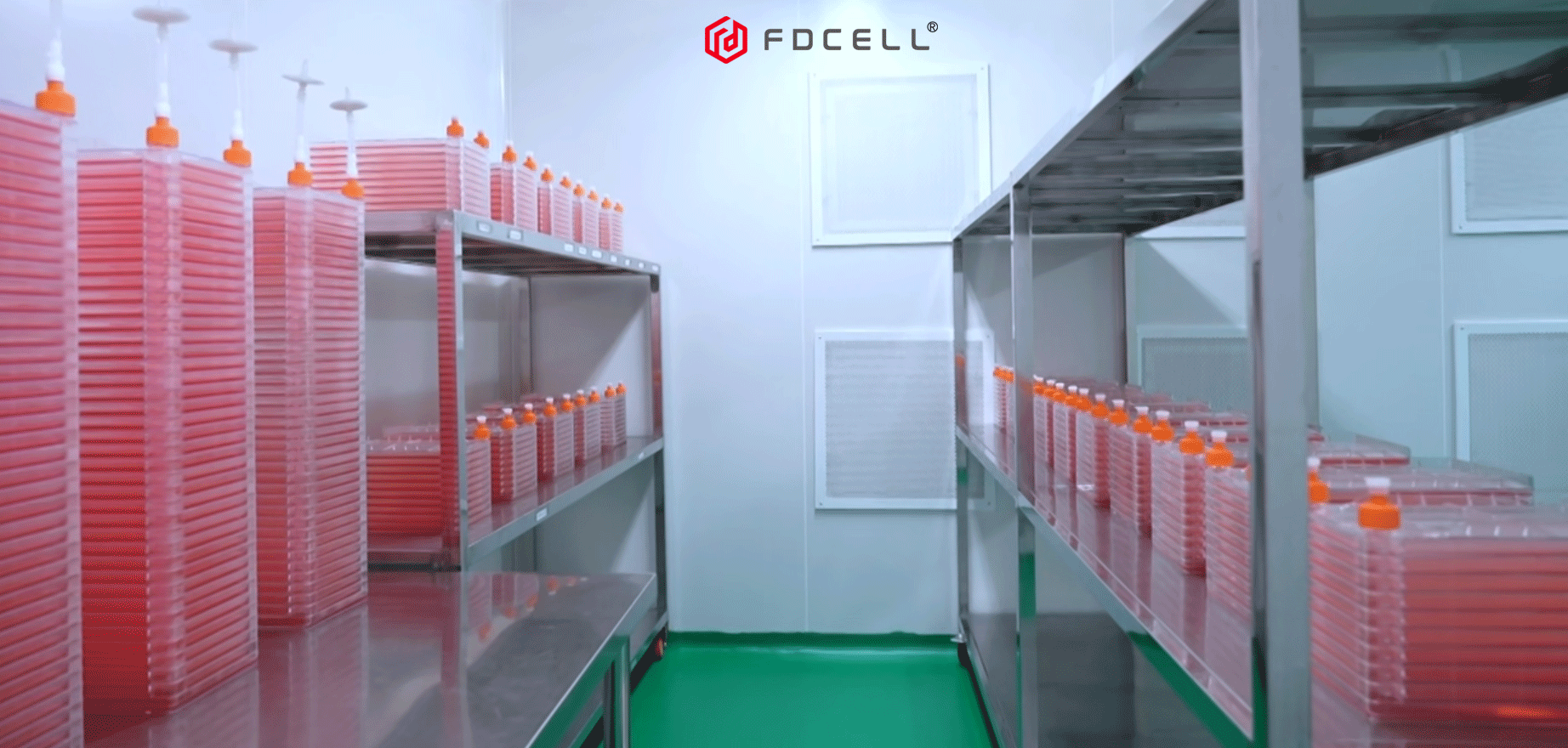
Advantages of Multi-Layer Cell Culture Systems in Vaccine Production
Why Postapproval Manufacturing Changes Matter
Biological products are manufactured through complex processes in which product quality can be closely linked to the manufacturing process.
After regulatory approval, manufacturers may need to introduce changes for a variety of reasons, including process optimization, manufacturing scale-up, facility changes, equipment updates, supply chain adjustments or improvements in manufacturing technology.
Unlike many conventional products, however, changes to biological manufacturing processes must be carefully evaluated to determine whether they could affect product quality.
For biosimilars, this issue is particularly important because the product was originally demonstrated to be biosimilar to an approved reference product.
The FDA guidance therefore provides additional clarity on how manufacturers should approach postapproval manufacturing changes while continuing to maintain the quality of the licensed biosimilar product.
Comparability Is Central to Manufacturing Change Management
One of the key considerations following a manufacturing change is whether the product manufactured after the change remains comparable to the product manufactured before the change.
Manufacturers may need to evaluate relevant quality attributes and determine the appropriate level of supporting data based on the nature and potential impact of the change.
This makes a robust manufacturing and quality system essential throughout the commercial lifecycle of a biological product.
Effective change management is not limited to major production processes. Changes involving materials, components, equipment, facilities or suppliers may also need to be evaluated within an established pharmaceutical quality system.
What This Means for Biopharmaceutical Manufacturing
The FDA guidance reflects a broader reality in modern biopharmaceutical manufacturing: regulatory approval is not the end of manufacturing control.
Commercial biologics manufacturing requires continuous management of:
manufacturing process consistency;
critical materials and components;
equipment and production conditions;
supplier qualification;
batch-to-batch consistency;
documentation and traceability;
change control and risk assessment.
These considerations become particularly important when a manufacturing process depends on complex biological systems.
Cell culture-based production, for example, can involve multiple stages of cell expansion using laboratory-scale systems such as cell culture flasks, followed by upstream processing and downstream purification.For adherent cell processes requiring larger culture surfaces, multilayer cell culture systems may also support scale-up strategies depending on the specific manufacturing process.
The Role of Critical Consumables and Suppliers
Single-use and cell culture consumables form part of the broader manufacturing environment for many biological products.
Although the new FDA guidance does not establish specific requirements for cell culture vessels or other individual consumables, it reinforces an important principle for biopharmaceutical manufacturers: changes within the manufacturing system should be understood, documented and appropriately assessed.
This has implications for the way manufacturers evaluate suppliers and critical consumables.
Beyond initial product performance, biopharmaceutical companies may increasingly consider factors such as:
material consistency;
manufacturing process control;
lot-to-lot consistency;
product traceability;
quality documentation;
supplier change notification;
long-term supply reliability.
A change in a critical material or component can have consequences beyond procurement. Depending on its role in the manufacturing process, manufacturers may need to assess whether the change could affect process performance or product quality.
For this reason, stable supplier relationships and effective change communication remain important elements of a robust biopharmaceutical supply chain.

cell culture flask
Manufacturing Consistency Across the Product Lifecycle
The publication of the final guidance also highlights the importance of considering manufacturing from a lifecycle perspective.
Processes established during development must eventually support routine commercial manufacturing. As production evolves, manufacturers may introduce new equipment, adjust processes, change suppliers or expand manufacturing capacity.
A mature quality system therefore needs to balance two objectives:
allowing manufacturing processes to evolve while maintaining consistent product quality.
For suppliers serving the biopharmaceutical industry, this places increasing emphasis on consistent manufacturing, traceability and quality documentation—not only product specifications.
Looking Ahead
Biosimilars continue to play an important role in expanding access to biological medicines. At the same time, the growing number of commercial biosimilar products increases the importance of effective lifecycle manufacturing management.
The FDA’s final guidance on postapproval manufacturing changes provides additional clarity for manufacturers managing these changes after approval.
For the broader biopharmaceutical manufacturing industry, the message is equally relevant: manufacturing consistency, effective change control and reliable management of critical materials remain essential throughout the lifecycle of a biological product.
As biologics manufacturing continues to expand globally, robust manufacturing processes and dependable supply chains will remain fundamental to maintaining product quality and supporting long-term commercial production.
Source: U.S. Food and Drug Administration (FDA), Postapproval Manufacturing Changes to Biosimilar and Interchangeable Biosimilar Products: Questions and Answers, Final Guidance, October 9, 2026.










