Cell contamination is a common problem encountered in the cell culture process. If cells are contaminated, their growth status will be affected, which will lead to negative results in the experimental process. So, how to avoid contamination when using cell culture plates to culture cells?
Common sources of cell contamination include bacteria, fungi, mycoplasma, viruses, etc. To avoid these contaminations, strict aseptic principles should be followed when performing cell operations. All operations must be standardized and scientific and will not cause additional impact on the growth of cells. One of the most important points is to ensure the uniformity of the cells after adding the sample and to minimize the impact of medium replacement on the cell growth state.
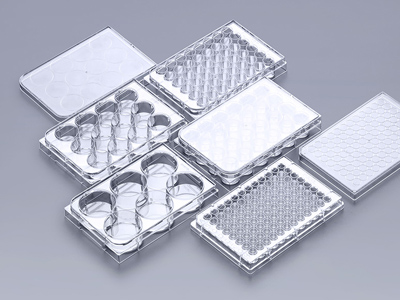
Cell Culture Plates
Generally, the lid of a 96-well cell culture plate is very loose, and it is a semi-open culture. The purpose of this is to allow for ventilation, allowing carbon dioxide outside the culture plate to fully exchange with the inside, and maintaining the pH value of the culture medium. However, this will also increase contamination. possibility. If this is the case, pay attention to keeping the air in the incubator clean during operation, regular UV irradiation, alcohol scrubbing, reducing the number of opening and closing of the incubator, placing a sink of sterile distilled water in the incubator, keeping the moderation at 100%, and avoiding liquid evaporation.
Cell contamination, prevention is key. While doing the above work, you should also pay attention to the fact that if you establish a cell line yourself, you must have sufficient cryopreservation reserves in the early stage. Once the cells in the cell culture plate are found to be contaminated, you can resuscitate the cells that were frozen earlier and use them.










