INTRODUCTION This guideline describes the evaluation of the viral safety of biotechnology products including viral clearance and testing, and it outlines what data should be submitted in marketing applications for those products. Biotechnology products include biotherapeutics and certain biological products derived from cell lines of human or animal origin (e.g., mammalian, avian, or insect). In this document, the term virus excludes nonconventional transmissible agents like those associated with mammalian prions (e.g., bovine spongiform encephalopathy, scrapie). Applicants are encouraged to discuss transmissible spongiform encephalopathy associated issues with the appropriate regulatory authorities as they are not in scope of this guideline.
This guideline includes products such as cytokines, monoclonal antibodies (mAbs), and subunit vaccines produced from in vitro cell culture using recombinant DNA technologies. The guideline also includes certain genetically engineered viral vectors and viral vector-derived products (e.g., viral vaccines and gene therapy products), provided they are amenable to viral clearance, without a negative effect on the product. These products may include viral vectors, for example, adeno-associated virus (AAV), produced using transient or stable transfected cell lines, or by infection using a recombinant virus. It also includes viral vector-derived products, for example, baculovirus-expressed virus-like particles (VLPs), protein subunits and nanoparticle-based protein vaccines and therapeutics. AAV gene therapy vectors include those that depend on helper viruses such as herpes simplex virus or adenovirus for their production. Specific guidance on genetically engineered viral vectors and viral vector-derived products is provided in Annex 6.
Inactivated viral vaccines and live attenuated viral vaccines containing self-replicating agents are excluded from the scope of this guideline. Cell therapies are out of the scope of this guideline; however, the principles may be used as applicable (e.g., for biological starting or raw materials).
It is no longer encouraged that materials be manufactured from hybridoma cells grown in vivo as ascites due to the contamination risk as well as to the ongoing global initiative to replace, reduce, and refine the use of animals. Where this situation exists the principles of this guideline should be followed, including replacement of the in vivo assay by Next Generation Sequencing (NGS).
The risk of viral contamination is a concern for all biotechnology products derived from cell lines and needs to be reduced, because such contamination could have serious clinical consequences. This risk can arise from the contamination of the source cell lines themselves (cell substrates) or from exogenous introduction of adventitious virus during production. However, biotechnology products derived from cell lines have not been historically implicated in the transmission of viruses. The viral safety of these products has been reasonably assured by applying a comprehensive virus testing program and assessing virus removal and inactivation achieved by the manufacturing process, as outlined below. Three principal, complementary approaches are applied to control the potential viral contamination of biotechnology products:
Selecting and testing cell lines and other raw materials, including media components, for the absence of undesirable infectious viruses.
Assessing the capacity of the production processes to clear adventitious and endogenous viruses.
Testing the product at appropriate steps of production for demonstrating the absence of contaminating infectious viruses.
Some viral clearance steps used during production of genetically engineered viral vectors and viral vector-derived products may not be as effective as those used for recombinant proteins. Therefore, considerations for further risk reduction (e.g., treatment of raw materials, extensive testing for broad virus detection) should be applied (see Annex 6).
Viral tests have inherent limitations. For example, the ability to detect low virus concentrations depends for statistical reasons on the size of the sample. Therefore, no single approach will necessarily establish the viral safety of a product. Confidence that infectious virus is absent from the final product will in many instances not be derived solely from direct testing for their presence, but also from a demonstration that the purification process is capable of removing and/or inactivating (clearing) viruses.
The type and extent of viral tests and viral clearance studies performed at different steps of production will depend on various factors and should be considered on a case-by-case and stepby-step basis. The factors that should be considered include the origin of the cell line, the extent of cell bank characterisation and testing; the nature of any viruses detected, culture medium constituents, culture methods; facility and equipment design; the results of viral tests after cell culture; the ability of the process to clear viruses; and the type of product and its intended clinical use.
The recommendations presented here should be adjusted to the specific product and its production process. Moreover, the approach used to assure viral safety should be explained and justified. In addition to the detailed data, an overall summary of the viral safety assessment should be provided. This summary should contain a brief description of all aspects of the viral safety studies and strategies used to prevent virus contamination.
Source: ICH, Original Address: https://database.ich.org/sites/default/files/ICH_Q5A%28R2%29_Guideline_2023_1101.pdf
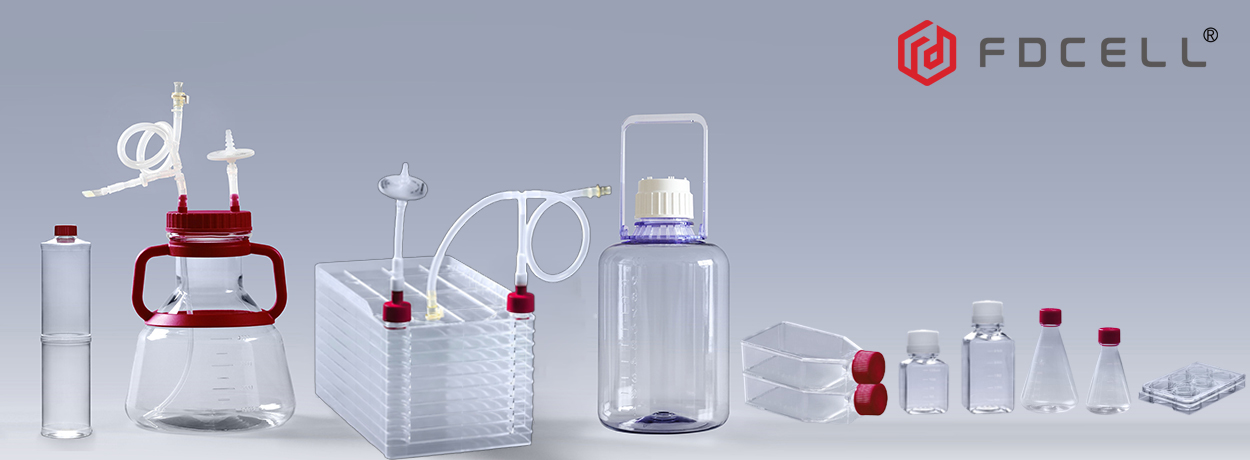

Guide to Choosing a Cell Culture Flask