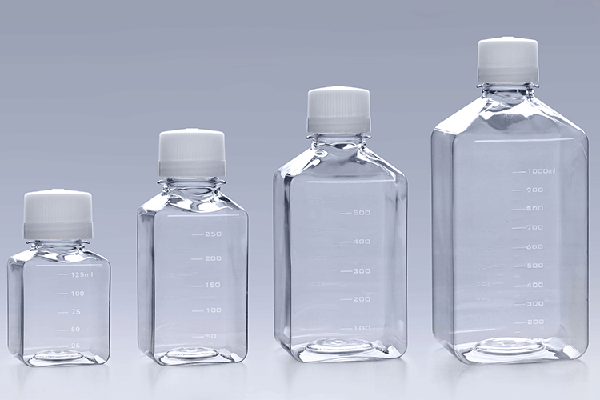
In biopharmaceutical experiments and production, Square Media Bottles PET PETG serve as containers for storing liquid substances, with their sealability acting as a critical line of defense that directly impacts the stability and efficacy of the contents. Whether it's precious serum, complex culture media, or various biological reagents, compromised sealability can trigger a chain reaction, severely affecting experimental results and production quality.
Preventing Microbial Contamination
Liquid substances such as serum and culture media are rich in nutrients, making them ideal environments for microbial growth. If the sealability of PETG media bottles is inadequate, bacteria, fungi, mycoplasma, and other microorganisms from the external air can infiltrate. For example, fetal bovine serum used in cell culture, once contaminated by microorganisms, not only deteriorates and loses its ability to nourish cells but can also introduce contaminants into the cell culture system, ruining the entire experiment. Statistics show that cell contamination caused by poor bottle sealing can increase related experimental costs by 30%–50%, significantly delaying research progress.
PETG Media Bottles Procurement Guide
Avoiding Evaporation and Component Loss
Many biological reagents contain volatile components, such as organic solvents or alcohol. If PETG media bottles are not tightly sealed, these volatile substances can gradually escape, leading to reduced volume, altered concentration, and compromised reagent efficacy. For culture media, water evaporation can cause concentration changes, affecting osmotic pressure and disrupting cell growth conditions. For instance, when storing staining solutions containing ethanol, poor sealing allows ethanol to evaporate, unbalancing the solution's composition and ultimately skewing staining results.
Maintaining Gas Environment Stability
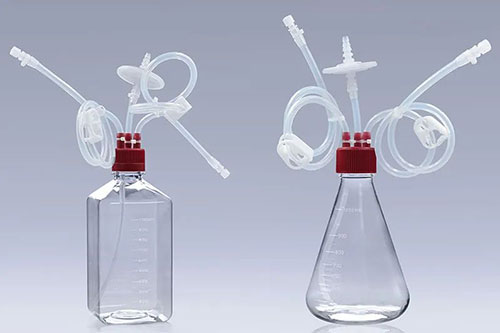
Certain liquid substances require specific gas environments for storage. For example, anaerobic culture media must be stored in oxygen-free conditions, while oxygen-sensitive biological reagents demand strict low-oxygen environments. Effective sealability ensures the stability of the gas environment inside PETG media bottles, preventing oxygen ingress and oxidation. Take antioxidant solutions as an example: oxygen infiltration can render antioxidants ineffective, stripping them of their protective role in experiments. Conversely, for culture media requiring a specific CO₂ concentration to maintain pH, poor sealing can lead to CO₂ loss, altering the medium's pH and compromising cell culture conditions.
Preventing Cross-Contamination
In laboratory or production settings, PETG media bottles often store various liquid substances. Poor sealability can result in minor leaks during storage, handling, or placement, leading to cross-contamination. Once cross-contamination occurs, the stored liquids may lose their original properties or even trigger unpredictable chemical reactions, generating toxic or hazardous substances that jeopardize subsequent experiments or production.
Conclusion
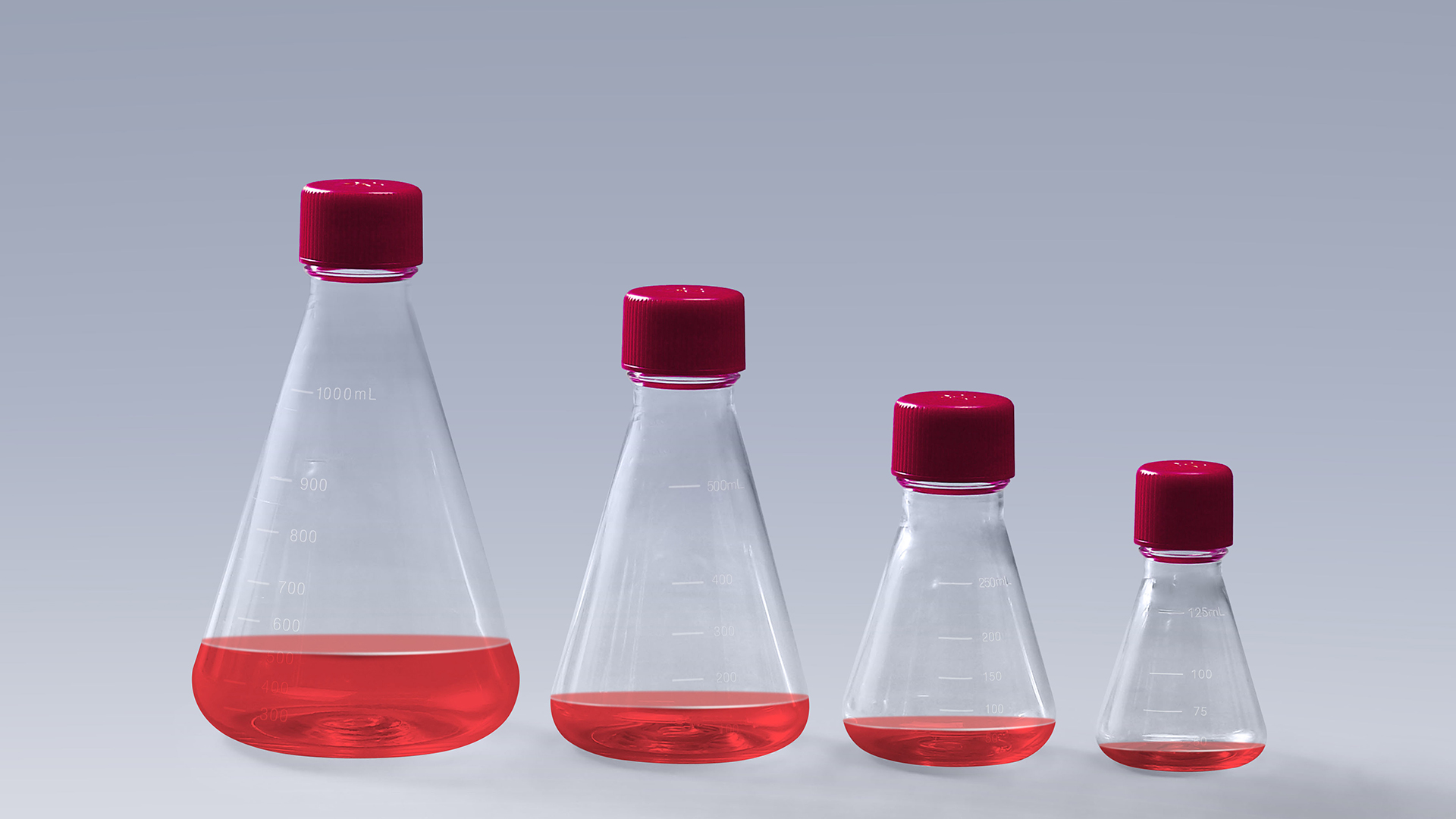
The sealability of PETG media bottles is a decisive factor in ensuring the safety and efficacy of stored liquid substances. From preventing microbial contamination and evaporation to maintaining gas stability and avoiding cross-contamination, every aspect hinges on effective sealing. Therefore, when selecting PETG media bottles, it is essential to prioritize sealability, ensuring the quality of stored liquids and the smooth progress of experiments and production through rigorous sealing tests and quality control measures.










