Japan has reached an important milestone in regenerative medicine. On October 15, 2026, a committee of Japan’s Ministry of Health, Labour and Welfare (MHLW) agreed that Stemirac Injection, a regenerative medicine product for traumatic spinal cord injury, could proceed toward full approval.
According to MHLW, Stemirac is the first regenerative medicine product granted conditional and time-limited approval in Japan to advance to full approval based on post-marketing data. The ministry stated on October 16 that it would continue the procedures required for full approval.
The development highlights not only progress in regenerative medicine, but also the growing importance of reliable cell manufacturing and cell culture processes as cell-based therapies move from development toward wider clinical use.
What Is Stemirac?
Stemirac is a human cell-processed product developed from a patient’s own bone marrow-derived mesenchymal stem cells (MSCs).
According to information published by Japan’s Pharmaceuticals and Medical Devices Agency (PMDA), MSCs obtained from the patient's bone marrow are cultured and expanded outside the body and subsequently cryopreserved as part of the manufacturing process.
The product is intended for patients with neurological symptoms and functional impairment associated with traumatic spinal cord injury.
Stemirac originally received conditional and time-limited approval in Japan in December 2018. Under this regulatory pathway, additional evidence is collected after the product enters clinical use to further evaluate its efficacy and safety.
The latest decision was based on data collected following that conditional approval.
Why This Is an Important Regulatory Milestone
Japan introduced its conditional and time-limited approval pathway for regenerative medicine products to provide earlier patient access while requiring additional post-marketing evidence.
Stemirac represents an important test of that framework.
MHLW confirmed that this is the first case in which a regenerative medicine product granted conditional and time-limited approval has progressed toward full approval.
The development demonstrates how clinical evidence collected after conditional approval can contribute to the longer-term regulatory evaluation of regenerative medicine products.
It also reflects the continuing maturation of Japan’s regenerative medicine sector, which now includes somatic stem cell therapies, CAR-T therapies, gene therapies, oncolytic viruses and emerging iPS cell-derived products.
Cell Expansion Remains a Critical Part of Cell Therapy Manufacturing
Unlike conventional small-molecule medicines, cell-based therapies depend on living cells as part of the final therapeutic product.
This makes the upstream manufacturing process particularly important.
For MSC-based products, the workflow may involve:
Cell sourcing → Cell isolation → Cell expansion → Harvest → Processing → Quality control → Final product preparation
During cell expansion, manufacturers must maintain appropriate culture conditions while controlling contamination risks and maintaining process consistency.
As production moves from early research toward clinical and commercial manufacturing, several factors become increasingly important:
consistent cell growth and expansion;
controlled culture conditions;
contamination prevention;
reproducible manufacturing processes;
traceability of materials and consumables;
batch-to-batch consistency;
appropriate documentation and change control.
These considerations extend beyond MSC therapies. They are also relevant to many other areas of regenerative medicine and advanced therapy manufacturing.
Scaling Cell Culture for Regenerative Medicine
One of the practical challenges in cell therapy manufacturing is increasing cell numbers while maintaining a controlled and reproducible process.
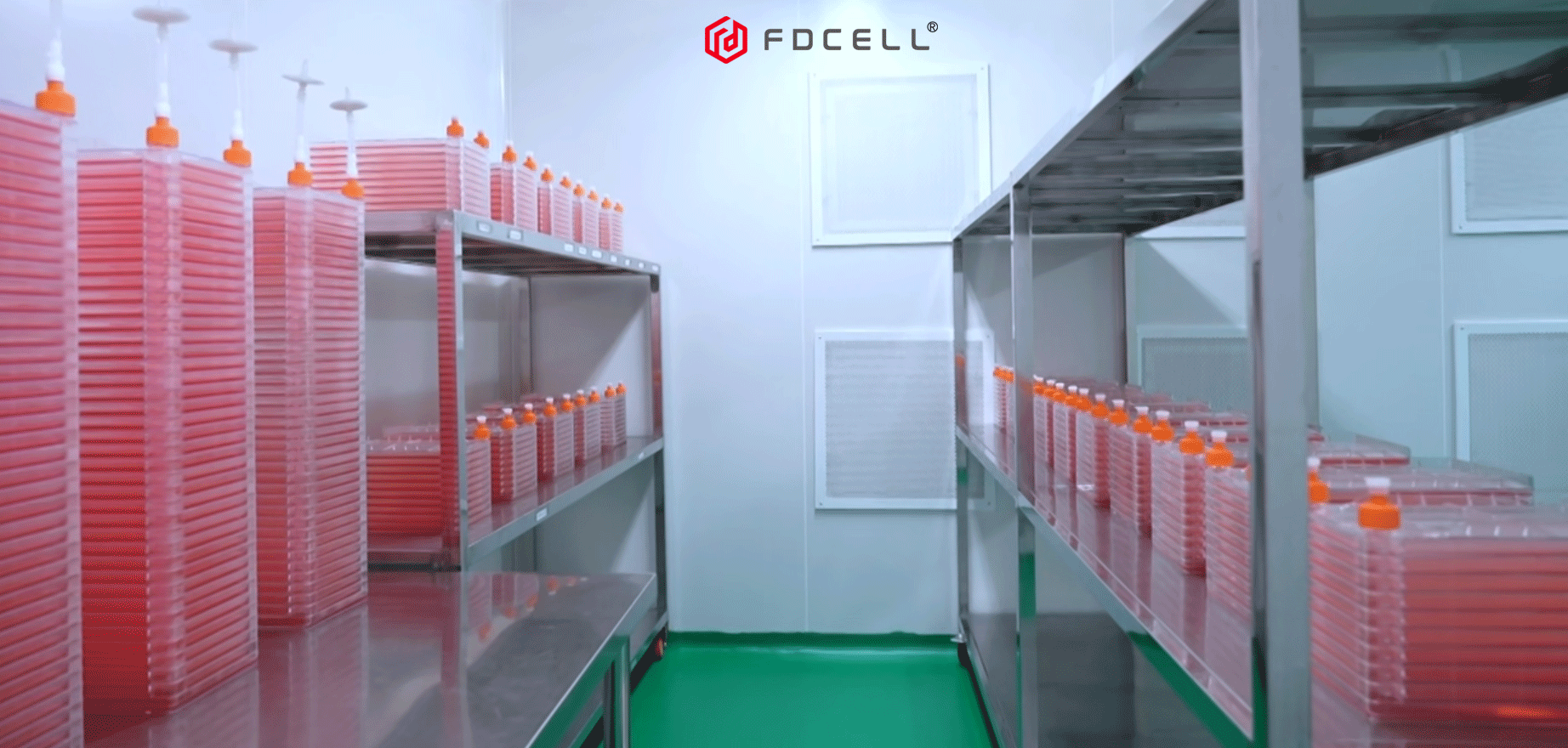
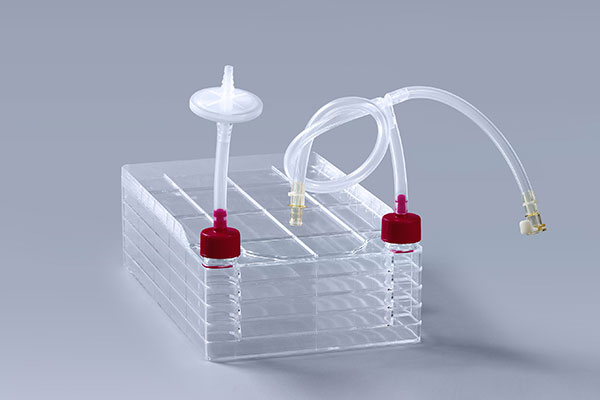
Early-stage research may rely on conventional cell culture flasks, while larger cell expansion processes may require greater culture surface area or more scalable culture platforms.
For adherent cells, manufacturers therefore need to evaluate not only culture performance but also operational factors such as handling, medium transfer, contamination control and process scalability.
As regenerative medicine products advance toward broader clinical use, the industry is increasingly focused on developing manufacturing processes that can support both biological performance and manufacturing consistency.
Closed or semi-closed processing strategies may also help reduce unnecessary open operations during cell expansion and liquid transfer, particularly as processes move toward larger-scale manufacturing.
Advantages of Multi-Layer Cell Culture Systems in Vaccine Production
What This Means for the Cell Culture Industry
The Stemirac milestone should not be interpreted as a new regulatory requirement for specific cell culture vessels or manufacturing platforms.
However, it illustrates a broader development in regenerative medicine: successful translation of cell therapies requires more than promising biological results.
Manufacturing processes must also become increasingly controlled, reproducible and scalable.
For suppliers of cell culture consumables, this means that product consistency, traceability, manufacturing quality and supply continuity are becoming increasingly important considerations for customers developing advanced therapies.
As MSC therapies and other regenerative medicine technologies continue to develop, reliable cell culture infrastructure will remain an important part of the manufacturing ecosystem supporting these products.
Looking Ahead
Stemirac’s progression from conditional and time-limited approval toward full approval represents an important milestone for Japan’s regenerative medicine regulatory framework.
More broadly, it demonstrates how regenerative medicine is moving from experimental development toward increasingly mature clinical and manufacturing systems.
For the biopharmaceutical industry, this transition places greater emphasis on cell expansion, manufacturing consistency, contamination control, scalable cell culture and reliable supply of critical consumables.
As more cell-based therapies progress toward commercialization, robust upstream cell culture processes will continue to play an important supporting role in the development of regenerative medicine.
Source: Ministry of Health, Labour and Welfare (MHLW), Japan, October 16, 2026.










