The Cell Factory with tubing is widely used in cell culture and biopharmaceuticals, as it enables large-scale cell cultivation and product production. With the help of specialized tubing, liquid can be transferred in a closed system, reducing the risk of cell contamination. However, during operation or use, we should also pay attention to the following issues:
1.Tubing Selection and Cleaning: Choose sterile tubing that meets the required standards and ensure that the tubing is properly cleaned, disinfected, and sterilized before use.
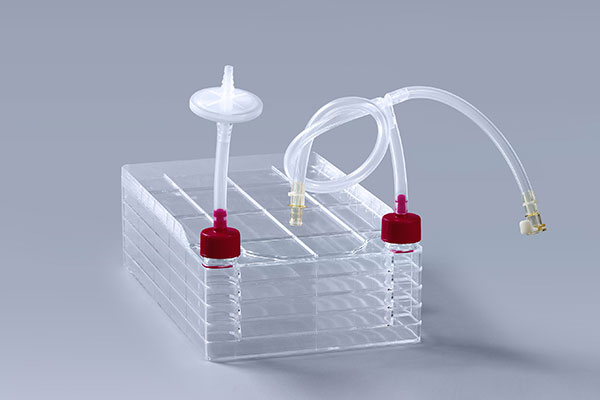
2.Strict Aseptic Techniques: Strict aseptic techniques should be followed during the operation of the cell factory, including the use of sterile gloves, disinfection of the operating area, and the establishment of sterile laboratories. All tools and equipment that come into contact with cells and culture media should be aseptic.
3.Quality Control of Cell Culture Media: Use high-quality cell culture media and ensure that the preparation process meets aseptic requirements. Regular microbial testing of the culture media should be conducted to ensure its sterility.
4.Cell Line Selection and Testing: Choose suitable cell lines and perform appropriate testing to ensure they are free from contamination. For example, use PCR methods to detect common contaminants such as bacteria, yeast, fungi, and mycoplasma.
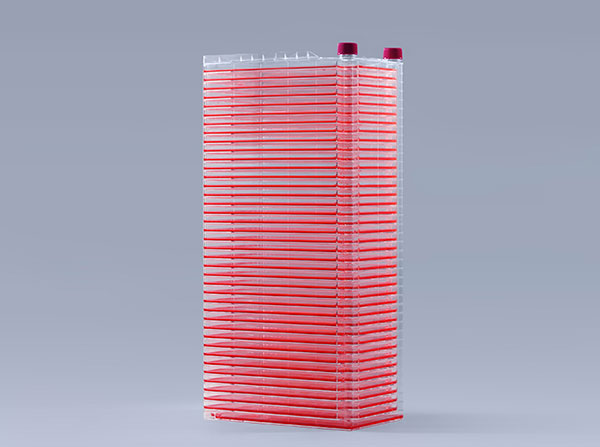
Introduction to Cell Factory Accessories
5.Establishing Standard Operating Procedures: Develop standard operating procedures and laboratory guidelines to ensure that operators are properly trained and adhere to the protocols. Regular training and evaluation of operators should be conducted to ensure consistency and quality of operations.
6.Regular Cleaning and Disinfection: The cell factory should be cleaned and disinfected regularly. Residual cells and waste materials should be removed to prevent contamination build-up. Use appropriate disinfectants for disinfection and follow cleaning protocols for thorough cleaning operations.
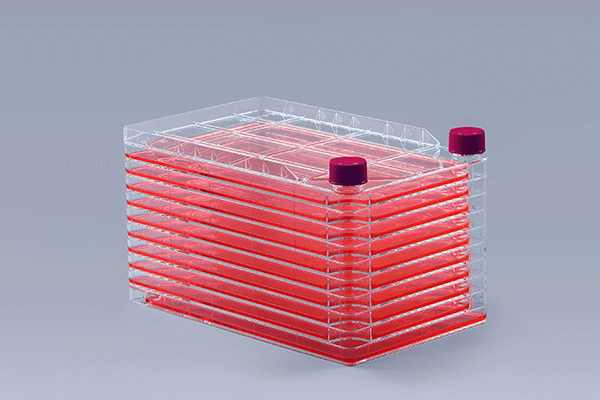
In summary, although the Multilayer Cell Factory with tubing can reduce the risk of cell contamination by enabling the closed transfer of liquids, it is still essential to strictly follow aseptic techniques during operation to ensure efficient cell culture work.










