In cell culture experiments, a seemingly minor detail—whether the cell culture flask is "pyrogen-free"—can directly determine the success or failure of the experiment. Many researchers have encountered frustrating issues: unstable cell conditions, abnormal proliferation rates, or even unexplained cell death, only to discover that the culprit was pyrogen contamination in the flask. So, what does pyrogen-free really mean, and why is it so crucial in cell culture?
Pyrogens: The Invisible Killer in Cell Culture
Pyrogens are substances that can induce fever. In cell culture, exogenous pyrogens (such as bacterial endotoxins) pose the primary threat. These typically come from Gram-negative bacterial cell wall components (e.g., lipopolysaccharides, LPS). Even trace amounts (as low as 0.1 EU/mL) can activate immune cells, disrupt cellular metabolism, and even trigger apoptosis.
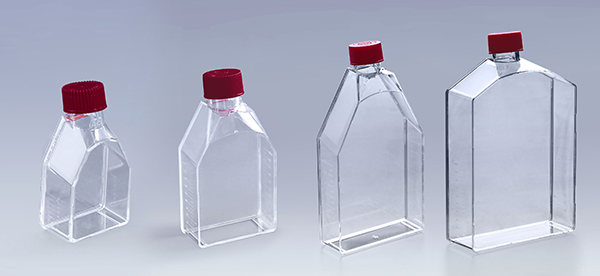
Guide to Choosing a Cell Culture Flask
How to Ensure a Flask Is Truly Pyrogen-Free?
The quality of cell culture flasks on the market varies significantly. Sterilization alone cannot fully remove pyrogens. True pyrogen-free treatment must meet the following criteria:
Strict Raw Material Screening – Plastic polymers, glass, and other materials must undergo special treatment to ensure initial contamination-free status.
Specialized Cleaning Processes – Use of ultrapure water rinsing, acid/alkali treatment, and other methods to effectively degrade endotoxins.
Third-Party Testing & Certification – Verified by Limulus Amebocyte Lysate (LAL) assay, ensuring endotoxin levels ≤0.25 EU/mL (international standard).
Labs should choose reputable brands when purchasing and request certified test reports from suppliers. Compromising on cost could compromise experimental quality.

T175 TC-treated Cell Culture Flask
The Value of Pyrogen-Free Flasks in Research & Industry
In vaccine production, gene therapy, and other biopharmaceutical fields, pyrogen control is a regulatory requirement. For example, in CAR-T cell manufacturing, if flasks contain pyrogens, patients may experience fever or even shock. Thus, GMP-compliant pyrogen-free consumables have become an industry standard.
Even in basic research, using low-pyrogen flasks reduces experimental variability and improves data reproducibility. One oncology research team reported that after switching to pyrogen-free flasks, batch-to-batch variation in cell experiments significantly decreased, and reviewers praised their data consistency during manuscript submission.
Conclusion
The "pyrogen-free" property of cell culture flasks is not a marketing gimmick—it is the cornerstone of experimental reliability. Choosing qualified products, performing strict quality checks, and regularly monitoring lab consumables ensure that cells grow in an optimal environment, guaranteeing authentic and reproducible scientific data.










