Cell culture roller bottles are widely used for adherent cell expansion, virus propagation, and vaccine manufacturing. In addition to bottle size and culture area, the cap design can also influence the culture environment.
Two common options are seal caps and vent caps. The main difference between them is how they manage gas exchange.
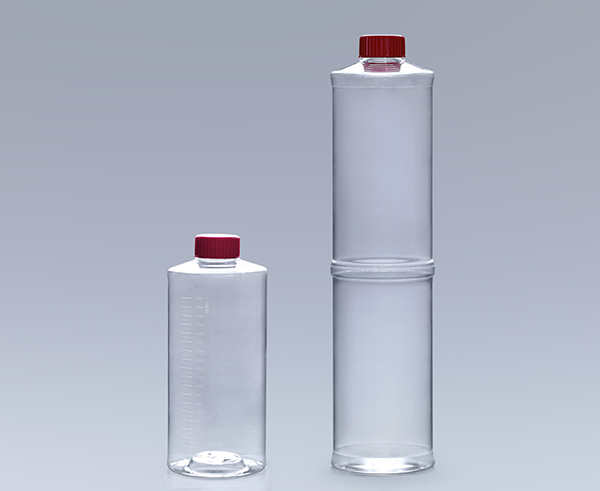
What Is a Seal Cap?
A seal cap creates a relatively closed environment when fully tightened, limiting gas exchange between the inside of the roller bottle and the incubator.
It may be suitable for processes that require secure closure during handling, transfer, or specific culture stages.
However, if the medium depends on continuous CO₂ exchange, a fully sealed bottle may affect pH stability. Therefore, the way a seal cap is used should follow the established cell culture process rather than a fixed rule.
What Is a Vent Cap?
A vent cap allows controlled gas exchange while helping maintain a barrier against external contamination.
It is often used for cultures that require continuous CO₂ and oxygen exchange during incubation. This can help maintain a more stable environment for adherent cells during longer culture periods.
Vent caps may also reduce the need to manually loosen the cap during culture, which can simplify operation and reduce unnecessary handling.
Gas Exchange Is the Key Difference
For many adherent cell cultures, gas exchange is closely related to medium pH and cell growth.
Media using bicarbonate buffering systems usually depend on an appropriate CO₂ environment. When gas exchange is insufficient, the culture conditions may gradually change and affect cell morphology or growth.
A vent cap supports continuous gas exchange, while a seal cap limits it when fully closed.
This does not mean that one cap type is always better than the other. The appropriate choice depends on:
Cell type
Medium formulation
CO₂ requirements
Culture duration
Working volume
Roller speed
Incubator conditions
Consider the Culture Stage
Cap requirements may also change during different stages of roller bottle culture.
During cell attachment and expansion, stable gas exchange can be important for maintaining pH and supporting cell growth.
In vaccine production, conditions may change after virus inoculation. Medium formulation, incubation time, and gas requirements may differ from the earlier cell expansion stage.
During transfer or handling, secure closure may become more important to reduce leakage and contamination risks.
For this reason, cap selection should be considered as part of the entire process rather than as an independent product feature.
Contamination and Handling
Regardless of cap type, aseptic operation remains essential.
Operators should avoid unnecessary opening and closing, keep the bottle neck and cap clean, and check the closure before placing the bottle on the roller apparatus.
The cap should also remain secure during continuous rotation.
For vent caps, the vent membrane should remain dry and undamaged. For seal caps, users should confirm that the closure position matches the validated culture procedure.
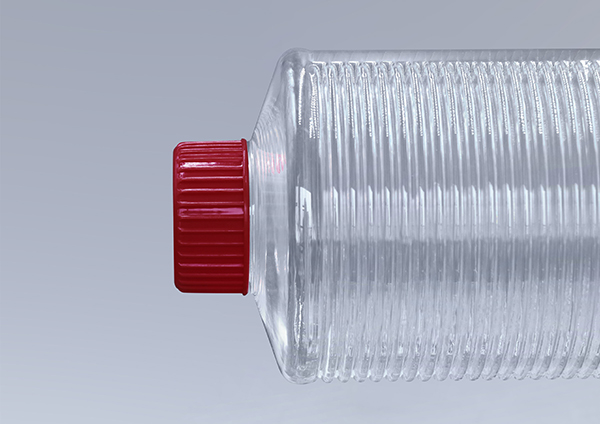
Expanded Surface Polystyrene Roller Bottle
How to Choose the Right Cap
When choosing between a seal cap and a vent cap, users should first consider the gas-exchange requirements of their cell culture process.
A vent cap may be more suitable for cultures requiring continuous gas exchange during incubation, while a seal cap may be preferred when a more closed configuration is required.
However, the final choice should be evaluated together with the cell line, medium, bottle size, culture duration, and roller apparatus.
For vaccine manufacturers, changing from one cap type to another may also require process evaluation before routine production.
Roller Bottle Cap Selection for Consistent Cell Culture
Stable roller bottle culture depends on more than the cap alone. Cell condition, TC surface quality, medium volume, rotation speed, bottle dimensions, and equipment performance all work together.
FDCELL provides sterile TC-treated cell culture roller bottles in 2 L and 5 L formats, with seal-cap and vent-cap options for different cell culture requirements.
They are designed for adherent cell expansion, virus propagation, vaccine manufacturing, and other biopharmaceutical applications.
Before selecting a cap type, users should evaluate gas exchange, medium pH, cell growth, leakage risk, and operating convenience under their actual culture conditions.










