In the field of biotherapeutics manufacturing, the adoption of single-use systems has revolutionized the way biopharmaceutical products are produced. Single-use systems, also known as disposable systems, involve the use of pre-sterilized, ready-to-use components for various stages of the manufacturing process. This approach offers a range of advantages that enhance efficiency, flexibility, and safety in the production of biotherapeutic drugs. Here, we delve into the benefits of single-use systems in biotherapeutics manufacturing:
Single-use systems allow manufacturers to easily adapt to changing production demands. The modular nature of these systems facilitates the scaling up or down of manufacturing processes without the need for significant facility modifications. This flexibility is particularly valuable in an industry where production volumes can vary based on market demand and clinical trial outcomes.
Traditional stainless steel systems require extensive cleaning and validation processes between batches to prevent cross-contamination. Single-use systems eliminate the need for these procedures since the disposable components are used once and then discarded. This reduces the risk of product contamination and minimizes downtime between batches.
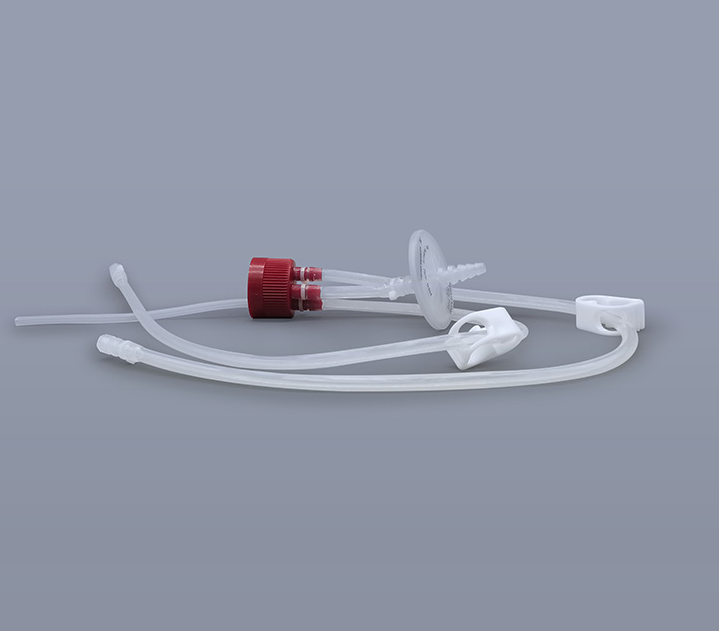
Single-use systems significantly reduce the time required for cleaning, sterilization, and setup between batches. This streamlined workflow translates to shorter production cycles and quicker turnaround times. Additionally, the elimination of clean-in-place (CIP) and steam-in-place (SIP) procedures leads to cost savings in water, energy, and labor.
Investing in traditional stainless steel equipment for biopharmaceutical manufacturing involves substantial capital expenditure. Single-use systems reduce the need for extensive capital investments in infrastructure and equipment, allowing manufacturers to allocate resources more efficiently.
The use of single-use systems reduces the risk of batch failure due to contamination, as the disposable components are sterile and individually packaged. This minimizes the potential for loss of valuable biopharmaceutical products, ensuring higher yields and consistent quality.
Cleaning validation is a time-consuming process required in traditional manufacturing systems to ensure that equipment is free of residues. Single-use systems eliminate the need for cleaning validation, simplifying regulatory compliance and reducing documentation requirements.
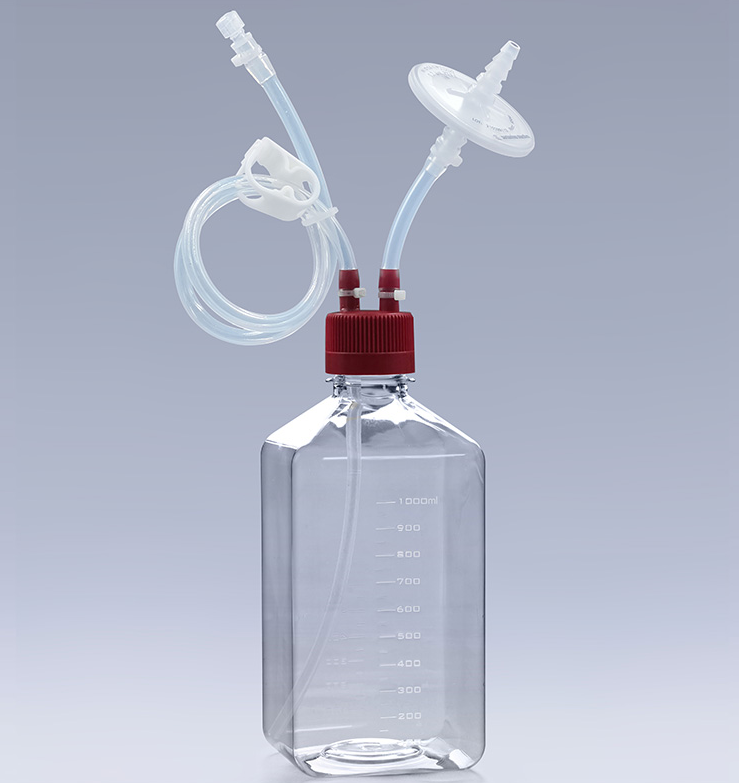
Single-use systems reduce the exposure of operators to hazardous substances and potentially harmful cleaning agents. This improves workplace safety and reduces the need for extensive personal protective equipment (PPE).
Single-use systems contribute to sustainability by reducing water and energy consumption associated with CIP and SIP procedures. Additionally, the reduction in the use of harsh cleaning agents contributes to a more eco-friendly manufacturing process.
The compact and modular nature of single-use systems allows manufacturers to optimize facility space and layout, potentially increasing the efficiency of the overall manufacturing process.
Single-use systems streamline supply chain logistics, as they are delivered pre-sterilized and ready for use. This reduces the need for extensive material and component inventory management.
Single-use systems have revolutionized biotherapeutics manufacturing by offering flexibility, scalability, reduced contamination risk, and cost savings. These disposable systems provide a more efficient and streamlined approach to producing biopharmaceutical products while enhancing operator safety and environmental sustainability. As the biopharmaceutical industry continues to evolve, the adoption of single-use systems is expected to play a pivotal role in shaping the future of biotherapeutics manufacturing.