Bacterial Endotoxin Testing (BET) is a critical process for ensuring the safety of parenteral products by controlling contamination from Gram-negative bacterial endotoxins. As a supplementary guide to USP〈85〉, USP〈1085〉provides detailed recommendations on method development, validation, interference management, and result analysis.
Method Suitability and Validation
All testing methods must be validated through inhibition/enhancement testing to confirm the absence of interference within the Maximum Valid Dilution (MVD).
Changes in testing conditions (e.g., reagents, manufacturing processes, or formulations) require revalidation.
Standard Calibration
USP Reference Standard Endotoxin (RSE) serves as the primary international standard and must be used to calibrate secondary standards (CSE).
Quantitative methods (e.g., kinetic chromogenic assays) require linear standard curves (|r| ≥ 0.980) with consistent slope and intercept monitoring.
Endotoxin Limit Calculation
Drug product limits are determined based on the route of administration (K-value), dosage (M), and test sensitivity (λ), using the formula: Limit = K/M.
Medical devices typically have a limit of 20 EU/device, while those contacting cerebrospinal fluid must comply with 2.15 EU/device.
Interference Management
Common interferences (e.g., pH deviations, chelating agents, proteins, or glucans) can be mitigated through dilution, buffer adjustment, or specialized blockers.
Complex samples (e.g., biologics) may require optimized pretreatment (e.g., ultrafiltration).
Quality Control
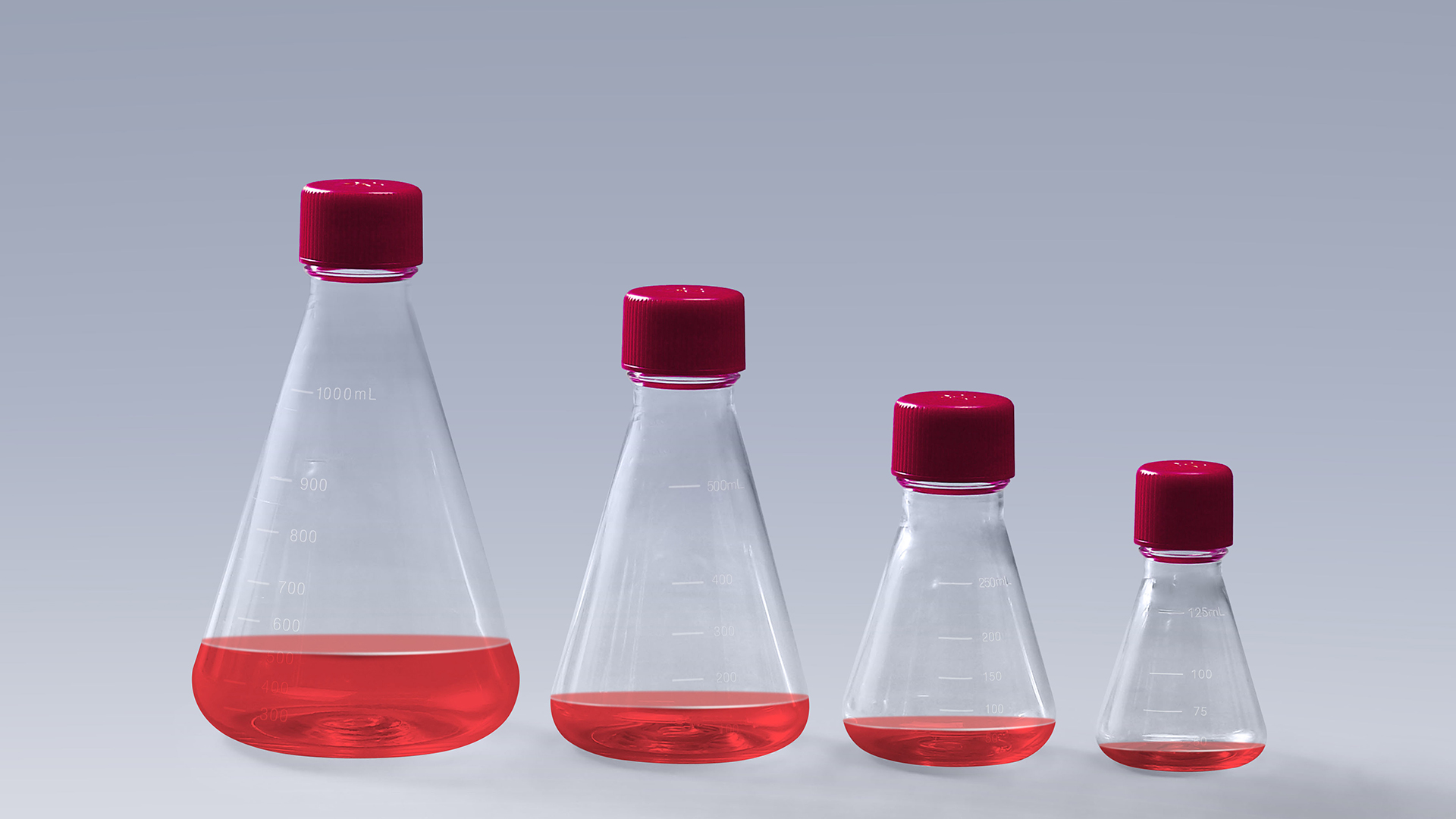
Labware must be verified as endotoxin-free and non-interfering.
Out-of-specification (OOS) results necessitate investigation, while invalid tests should be distinguished from true OOS cases.
Practical Recommendations
Early Assessment: Calculate endotoxin limits during drug development and monitor the impact of process changes.
Risk Control: Increase testing batches for high-variability materials (e.g., natural extracts) to ensure batch consistency.
Technical Training: Strengthen analyst competency in standard preparation and data interpretation to minimize human error.
USP〈1085〉emphasizes that endotoxin testing is not only a compliance requirement but also a vital safeguard for patient safety. Laboratories should apply the guidelines flexibly, considering product-specific risks, to establish a robust testing framework.
NOTE:Source from USP,The above content is for reference only. For more information, please click the original text:https://online.uspnf.com/uspnf/document/2_GUID-CC17E1DF-5576-4A86-90EF-78ED081ECB76_30101_en-US?source=TOC