Cell culture roller bottles are widely used for adherent cell expansion, virus propagation, and vaccine manufacturing. For vaccine producers, selecting a roller bottle is not only about bottle size, culture area, or price. Supporting quality documentation is also essential.
These documents help users confirm product identity, sterility status, material safety, batch consistency, and traceability. They also support supplier qualification, incoming inspection, process validation, and regulatory audits.
The exact documentation package may vary according to the vaccine process, company quality system, and local regulatory requirements. However, the following documents are commonly evaluated when roller bottles are introduced into vaccine manufacturing.
1. Certificate of Analysis
A Certificate of Analysis, or CoA, is one of the most important batch-specific documents.
It normally identifies the product, lot number, manufacturing date, expiry date, and relevant inspection results. Depending on the product specification, the CoA may include:
Appearance and dimensional inspection
Sterility status
Endotoxin control
Packaging inspection
Functional or performance-related testing
Lot release approval
The product code and lot number shown on the CoA should match the labels on the roller bottle packaging. This allows the vaccine manufacturer to connect each delivered batch with the corresponding quality record.
2. Sterilization Documentation
Sterile roller bottles should be supplied with documentation confirming the sterilization method and batch status.
This may include a sterilization certificate, irradiation certificate, or sterilization lot record. The document should clearly identify the affected product lot and provide sufficient information for the customer’s quality review.
Vaccine manufacturers may also request general sterilization validation information, especially when qualifying a new supplier. The purpose is to confirm that the sterilization process is controlled and capable of maintaining the required sterility assurance level.
A sterilization certificate should not be confused with a sterility test report. Sterilization validation demonstrates the effectiveness of the process, while sterility testing evaluates samples from a production batch.
3. Material Information
The material used to manufacture the roller bottle should be clearly identified.
Most disposable cell culture roller bottles are made from polystyrene, while bottle caps may use different polymer materials. Material documentation may include:
Material declaration
Resin information
Compliance statement
Animal-origin-free or BSE/TSE statement, when applicable
Restricted substance declaration
Latex-free statement, when applicable
Material information helps vaccine manufacturers assess whether the roller bottle is suitable for their process and whether any material-related risks require further evaluation.
4. Biocompatibility and Cytotoxicity Information
Because cultured cells are in direct contact with the inner surface of the roller bottle, users may request information demonstrating that the material does not adversely affect cell growth.
Relevant documents may include summaries or reports related to:
Cytotoxicity
Biological safety
USP Class VI testing
Extractables-related risk information
Cell growth or attachment performance
Not every project requires the same level of testing. The required evidence should be determined according to the intended application, duration of contact, process risk, and internal supplier qualification procedure.
5. Endotoxin and Sterility Control
For vaccine and biopharmaceutical applications, microbial and endotoxin control are important quality considerations.
The supporting documents should clearly distinguish between:
Sterilization status
Sterility testing
Endotoxin testing
Bioburden control before sterilization
If endotoxin limits are part of the product specification, the test method and acceptance criteria should be defined in the supplier’s quality documentation or CoA.
Customers should also confirm whether the results are batch-specific or based on periodic validation.
6. TC Surface Treatment Information
Adherent cells require an appropriate culture surface. Roller bottles used for vaccine manufacturing are often TC treated to improve cell attachment and spreading.
The supplier should be able to explain how the surface treatment is controlled and how production consistency is evaluated. Supporting information may include:
TC-treatment declaration
Contact-angle testing
Surface-treatment validation
Cell attachment or growth comparison
Lot-to-lot performance records
For a new roller bottle supplier, documents alone are not sufficient. Users should also perform culture testing with their actual cell line, medium, seeding density, and roller apparatus.
7. Product Specifications and Drawings
A technical specification sheet should clearly describe the roller bottle.
Important information may include:
Nominal volume
Recommended working volume
Culture area
Bottle dimensions
Neck and cap design
Closure type
Material
Sterilization method
Packaging quantity
Shelf life
Storage conditions
Dimensional consistency is especially important because roller bottles must rotate smoothly on the roller apparatus. Differences in bottle diameter, roundness, or wall stability may affect equipment compatibility and culture performance.
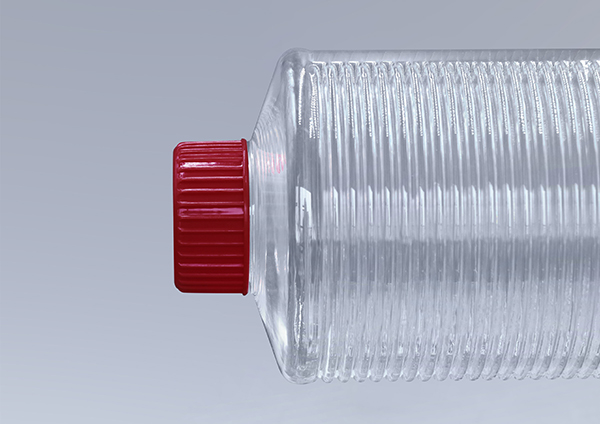
Expanded Surface Polystyrene Roller Bottle
8. Lot Traceability Records
Each roller bottle package should carry a clear lot number that can be traced back to production and quality-control records.
Effective traceability should connect:
Raw materials
Manufacturing date
Production line
Sterilization batch
Inspection results
Packaging records
Released finished-product lot
In the event of a complaint or investigation, traceability allows both the supplier and vaccine manufacturer to identify the affected products quickly.
9. Packaging and Shelf-Life Information
Sterility depends not only on sterilization but also on packaging integrity throughout storage and transportation.
Useful documentation may include:
Packaging specification
Packaging validation summary
Shelf-life statement
Storage requirements
Transportation conditions
Label and lot-number format
Before use, vaccine manufacturers should inspect the packaging for punctures, incomplete seals, deformation, moisture, or damaged labels.
A roller bottle with compromised packaging should not be introduced into a controlled production environment, even when the bottle itself appears undamaged.
10. Change-Control and Notification Policy
A supplier may change raw materials, equipment, manufacturing sites, sterilization processes, packaging, or product specifications over time.
For a validated vaccine process, even a small consumable change may require internal assessment or additional testing. Therefore, manufacturers should understand the supplier’s change-notification policy.
The supplier should define:
Which changes will be communicated
How customers will be notified
The expected notification period
Whether supporting comparison data will be available
How discontinued products will be managed
A reliable change-control process reduces the risk of unexpected variation in routine production.
Documents Support Qualification, but Testing Is Still Necessary
Quality documents are essential, but they cannot fully predict performance in every vaccine process.
Before approving a new roller bottle, users should evaluate:
Cell attachment and morphology
Cell growth rate
Monolayer uniformity
Rotation stability
Equipment compatibility
Cell recovery
Virus-production performance
Lot-to-lot consistency
The qualification process should combine documentation review with actual cell culture testing.
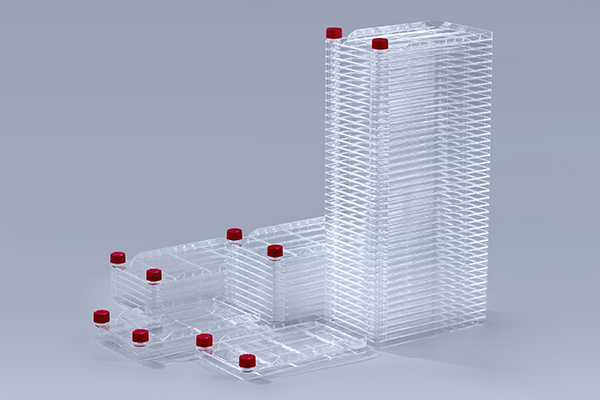
roller bottles vs cell factory
Choosing a Roller Bottle Supplier for Vaccine Manufacturing
A reliable roller bottle supplier should provide more than a product catalog. The supplier should also support customers with clear specifications, traceable batch records, sterilization information, quality certificates, and controlled change management.
FDCELL supplies sterile TC-treated cell culture roller bottles in 2 L and 5 L formats for adherent cell expansion, virus propagation, vaccine manufacturing, and other biopharmaceutical applications.
For vaccine manufacturers evaluating a new roller bottle, the documentation package, product performance, batch consistency, equipment compatibility, and long-term supply capability should all be reviewed before routine use.










