HEK293 cells are among the most widely used cell lines in biological research, gene therapy development, recombinant protein expression, and viral vector production. Although HEK293 cells are generally considered easy to culture, many laboratories still experience problems with poor cell attachment in a cell culture flask.
Weak attachment can affect cell viability, transfection efficiency, and experimental reproducibility. In some cases, it may even lead to complete culture failure.
This article explores the most common reasons why HEK293 cells fail to attach in a cell flask and how to improve attachment performance.

Understanding HEK293 Cell Characteristics
HEK293 cells are human embryonic kidney cells that typically grow as adherent cells under standard culture conditions. Because they require surface attachment for normal growth, the quality of the cell culture flask plays an important role in culture success.
Poor surface conditions or incorrect handling may result in:
Slow cell spreading
Uneven attachment
Floating cells after seeding
Reduced proliferation
Lower transfection efficiency
For this reason, selecting the right cell flask is essential for stable HEK293 cell culture.
1. Using the Wrong Cell Culture Flask Surface
One of the most common reasons for poor attachment is using a non-treated flask for adherent HEK293 cells.
Why It Happens
HEK293 cells require a hydrophilic surface to support cell adhesion. Non-treated plastic surfaces often provide insufficient attachment conditions.
Solution
Use TC-treated cell culture flasks specifically designed for adherent cell culture.
High-quality TC-treated surfaces improve:
Cell adhesion
Cell spreading
Growth consistency
Experimental reproducibility
When purchasing a cell flask, laboratories should verify whether the product has validated tissue culture treatment.
2. Inconsistent Surface Treatment Quality
Not all TC-treated flasks perform the same. Poor manufacturing consistency can lead to uneven cell attachment across different batches.
Common Problems
Uneven growth areas
Patchy attachment
Variable cell density
Inconsistent experimental results
Solution
Choose a reliable cell culture flask manufacturer with strict quality control and stable surface treatment processes.
Consistent surface energy and treatment quality are critical for HEK293 cell attachment.
3. Low Cell Seeding Density
HEK293 cells may attach poorly when seeded at extremely low densities.
Why It Matters
Low-density cultures reduce cell-to-cell signaling and attachment efficiency.
Solution
Optimize seeding density based on:
Flask size
Growth conditions
Experimental requirements
Proper cell concentration helps improve attachment and proliferation in the cell flask.
4. Poor Medium and Serum Conditions
Culture medium quality also affects HEK293 attachment performance.
Possible Causes
Expired serum
Incorrect medium formulation
Temperature imbalance
pH instability
Solution
Use fresh, validated culture media and pre-equilibrate medium before use.
Stable culture conditions improve attachment efficiency in cell culture flasks.
5. Improper Handling During Cell Seeding
Rough handling can prevent cells from attaching properly.
Common Mistakes
Excessive shaking after seeding
Uneven distribution of cells
Moving the flask too early
Strong pipetting force
Solution
After seeding cells into the cell flask:
Gently distribute cells evenly
Avoid unnecessary movement
Allow sufficient attachment time inside the incubator
Careful handling significantly improves initial attachment.
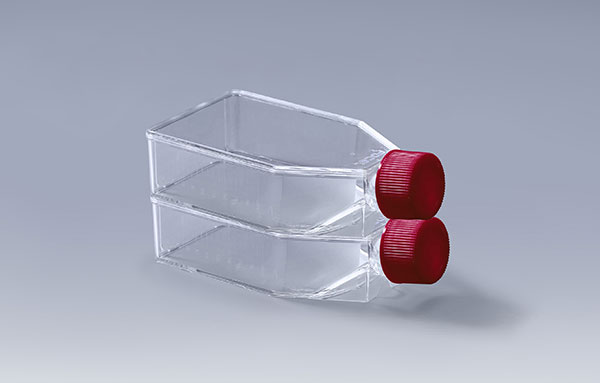
T75 TC-treated Cell Culture Flask
6. Contamination Risks
Low-level contamination, especially mycoplasma contamination, can negatively affect HEK293 cell behavior.
Signs of Contamination
Slow growth
Poor attachment
Abnormal morphology
Increased floating cells
Solution
Use sterile cell culture flasks produced under controlled cleanroom conditions and maintain strict aseptic technique during cell culture.
7. Poor Flask Quality
Low-quality flasks may contain surface defects, inconsistent transparency, or poor sealing performance that indirectly affect cell culture stability.
High-Quality Cell Flask Features
Reliable cell culture flasks should provide:
Smooth and uniform surfaces
Stable TC treatment
Excellent optical clarity
Sterility assurance
Leak-resistant caps
Choosing a professional supplier reduces the risk of culture failure.
Why High-Quality Cell Culture Flasks Matter for HEK293 Cells
HEK293 cells are widely used in:
Gene therapy research
Viral vector production
Recombinant protein expression
Vaccine development
In these applications, stable attachment and reproducible growth are critical.
High-quality cell culture flasks help improve:
Cell viability
Transfection efficiency
Experimental consistency
Workflow reliability
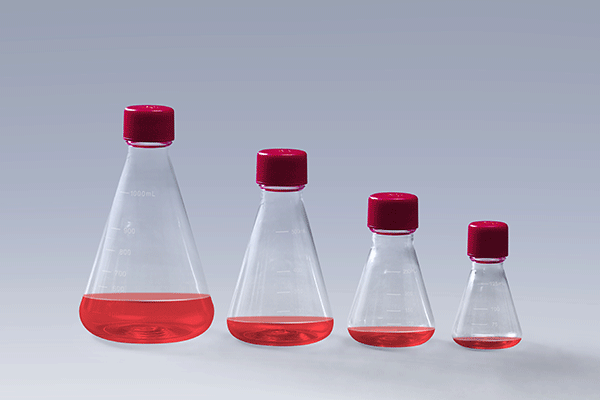
How FDCELL Supports Reliable HEK293 Cell Culture
At FDCELL, we manufacture high-quality cell culture flasks designed for reliable adherent cell culture applications.
Our advantages include:
Consistent TC-treated surfaces
Class C cleanroom production
ISO9001 and ISO13485 certified systems
Strict leak testing and quality inspection
Stable batch-to-batch consistency
Our cell flask products are widely used in research laboratories and biopharmaceutical applications worldwide.
Conclusion
Poor HEK293 attachment in a cell culture flask is often caused by surface treatment issues, low-quality consumables, improper handling, or unstable culture conditions.
By selecting high-quality TC-treated cell flasks and optimizing culture protocols, laboratories can significantly improve attachment performance and overall cell culture reliability.
As HEK293 applications continue to expand in biotechnology and gene therapy research, reliable cell culture consumables remain essential for successful outcomes.










