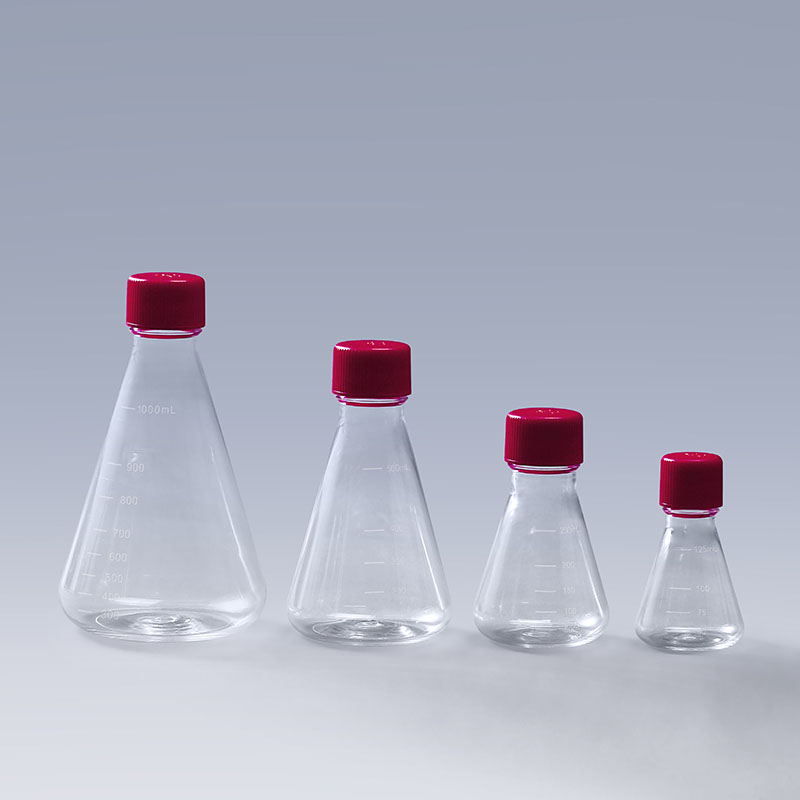
The Erlenmeyer Shake Flask, built on the classic Erlenmeyer Flask design and enhanced with modern materials and cap systems, remains a dependable choice for suspension culture across research and industrial laboratories.
FDA Part 102 provides the regulatory backbone for licensing veterinary biological products in the United States.For manufacturers, sustained compliance requires not only regulatory understanding, but also stable manufacturing environments and controlled production systems aligned with approved processes.
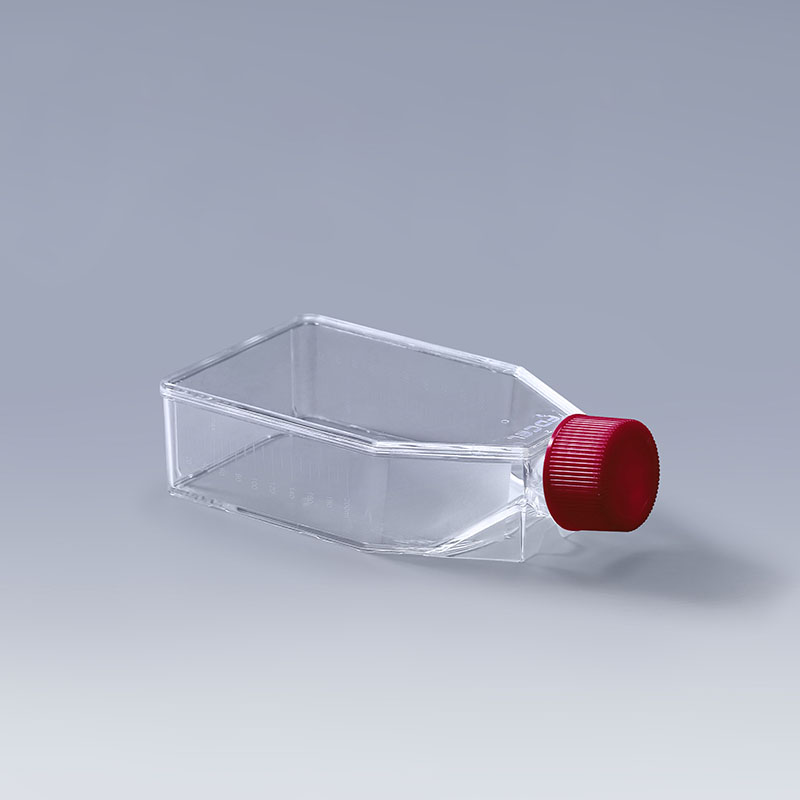
Among all adherent cell culture vessels, the T75 flask remains one of the most widely used formats in research laboratories and early-stage bioprocessing. Despite the availability of larger flasks and automated systems, T75 flasks continue to be a standard Cell Culture Flask choice for scientists working with mammalian cells.
The U.S. Food and Drug Administration today announced it is sharing information about the agency’s flexible approach to overseeing chemistry, manufacturing and control (CMC) requirements for cell and gene therapies (CGT). The agency’s more flexible approach has been, and is expected to continue to be, helpful in expediting product development and will help guide the FDA’s evaluation of development
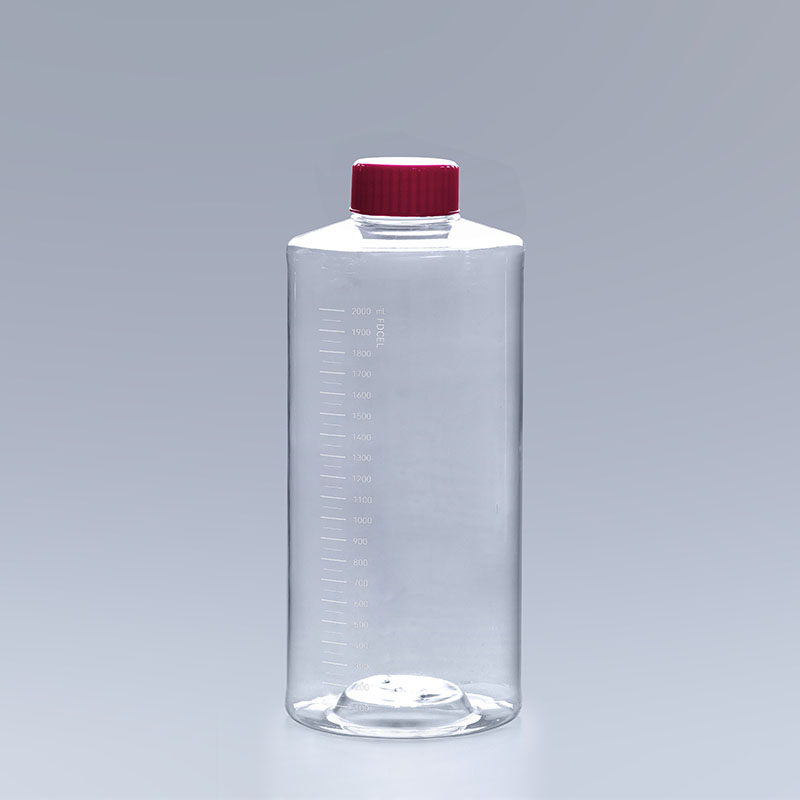
Selecting a suitable roller bottle supplier is a critical decision for laboratories and biopharmaceutical manufacturers involved in adherent cell culture. Roller bottles are often used in virus production, vaccine development, and large-scale cell expansion, where process consistency and supply reliability directly influence experimental outcomes and manufacturing efficiency.
A concise guide to common questions about veterinary biologics, including how they are regulated in the U.S., who oversees them, and what licenses or permits are required.
Ella: +86 13373342369
Ella