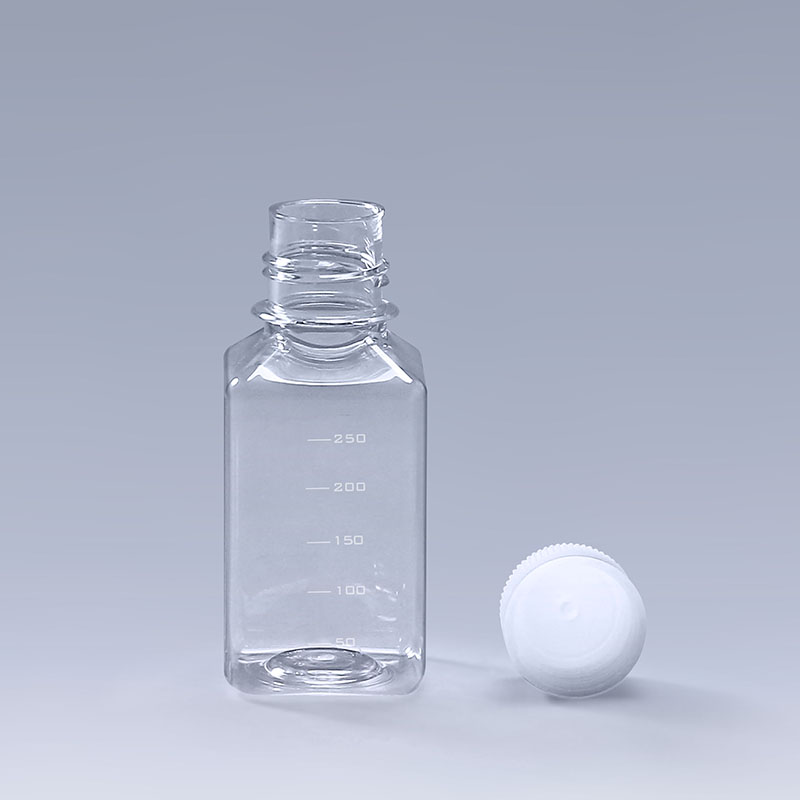
A Media Bottle is more than a simple container—it is a critical tool that supports sterility, stability, and efficiency in laboratory environments. With appropriate material selection and thoughtful design, especially in the form of Square Media Bottles, laboratories can improve storage efficiency while maintaining high safety and quality standards.
Artificial Intelligence (AI) has the potential to transform the way drugs (medicines)1 are developed and evaluated, ultimately improving health care. In this context, AI refers to system-level technologies used to generate or analyse evidence across the drug product life cycle, including nonclinical, clinical, post-marketing, and manufacturing phases.
Understanding the characteristics and applications of different cell culture vessels helps laboratories and manufacturers optimize cell growth, improve efficiency, and support reliable scale-up from research to production.
The ICH Harmonised Tripartite Guideline covering the Stability Testing of New Active Substances and Medicinal Products (hereafter referred to as the Parent Guideline) notes that light testing should be an integral part of stress testing. This document is an annex to the Parent Guideline and addresses the recommendations for photostability testing.
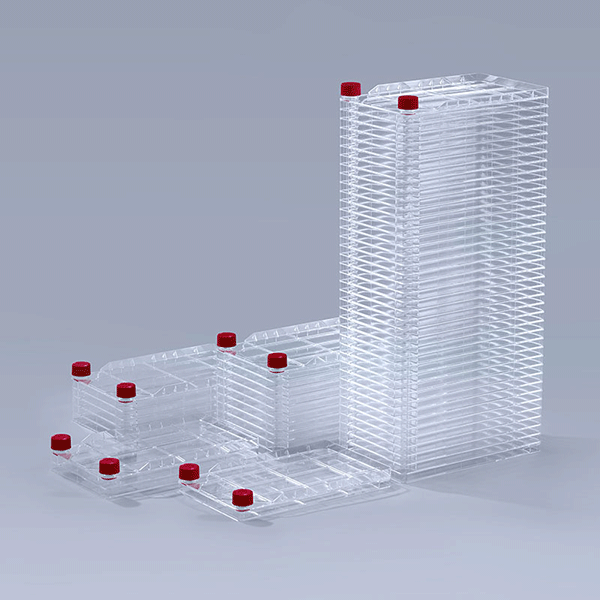
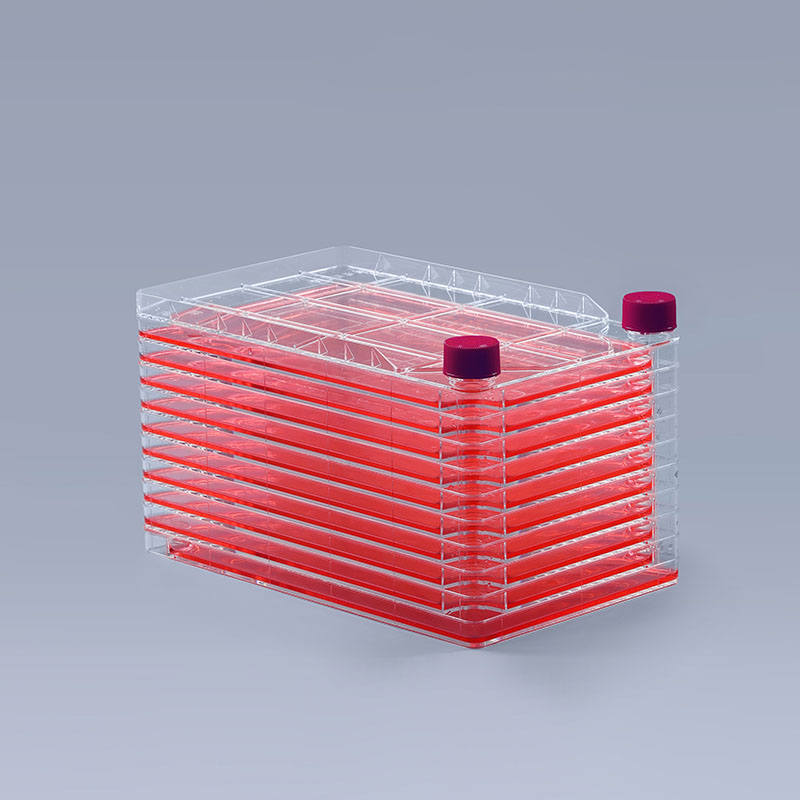
By adopting USP Class VI–compliant materials, cell factory systems contribute to improved safety, consistency, and reliability in biologics and vaccine manufacturing, ultimately supporting the sustainable development of the biopharmaceutical industry.
Regulatory authorities represented at the ICH agree that the therapeutic potential of OV will need to be balanced against the risks associated with the use of virus that is replication competent. This document identifies general principles for the clinical development of OV.
Ella: +86 13373342369
Ella