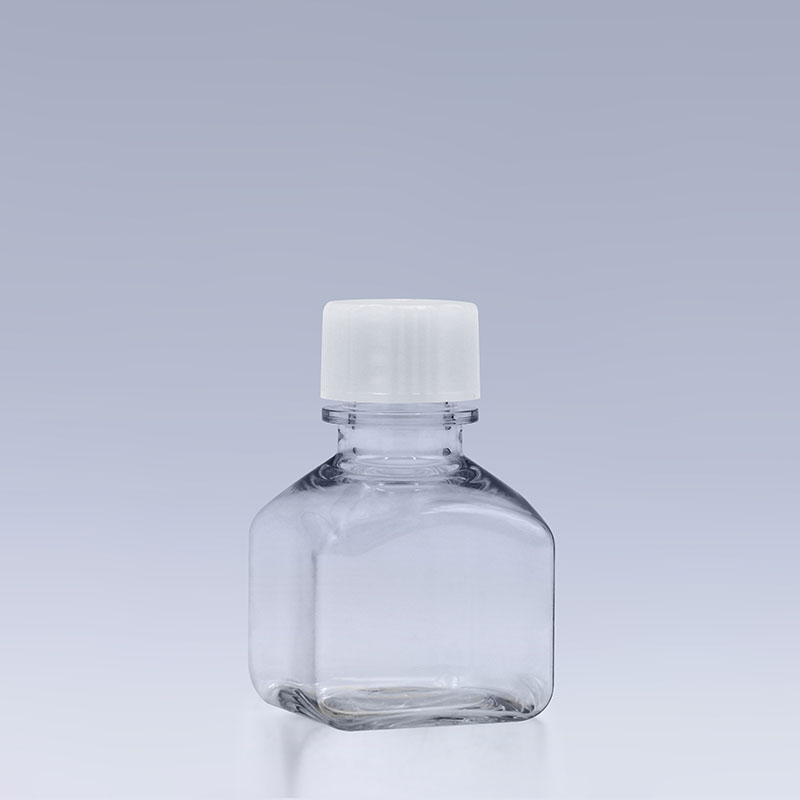
While PET and PETG share a similar chemical backbone, their performance characteristics differ in ways that directly impact laboratory applications. This guide outlines the key material differences and provides practical recommendations for selecting the right Media Bottle.
Animal biologicals are subject to both the Federal Food, Drug, and Cosmetic Act (FD&C Act) and the United States Department of Agriculture Animal Health Inspection Service (USDA-APHIS) Virus, Serum, Toxin Act (VSTA) (Public Law 430 of 1913, 73 Stat 832-833, 21 U.S.C. 151-158).
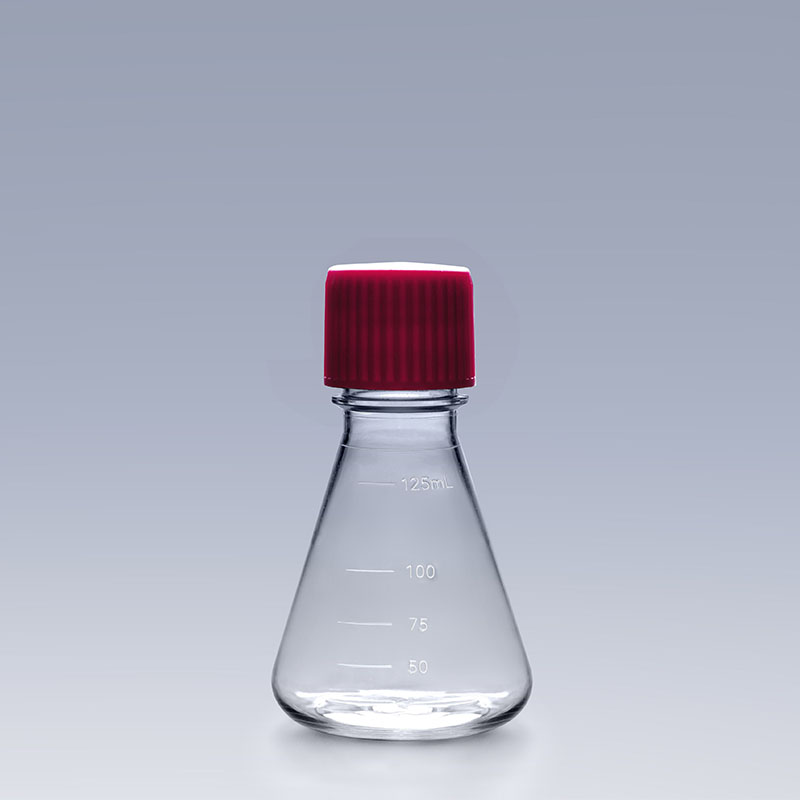
This article compares PETG/PC and glass Erlenmeyer flask and outlines key considerations for selecting the right option for cell culture applications.
Based on international media reports, as well as legislative drafts and political agreements officially released by the EU, this article provides a concise overview of the current status and key policy points of these initiatives to help pharmaceutical companies assess future global business strategies.
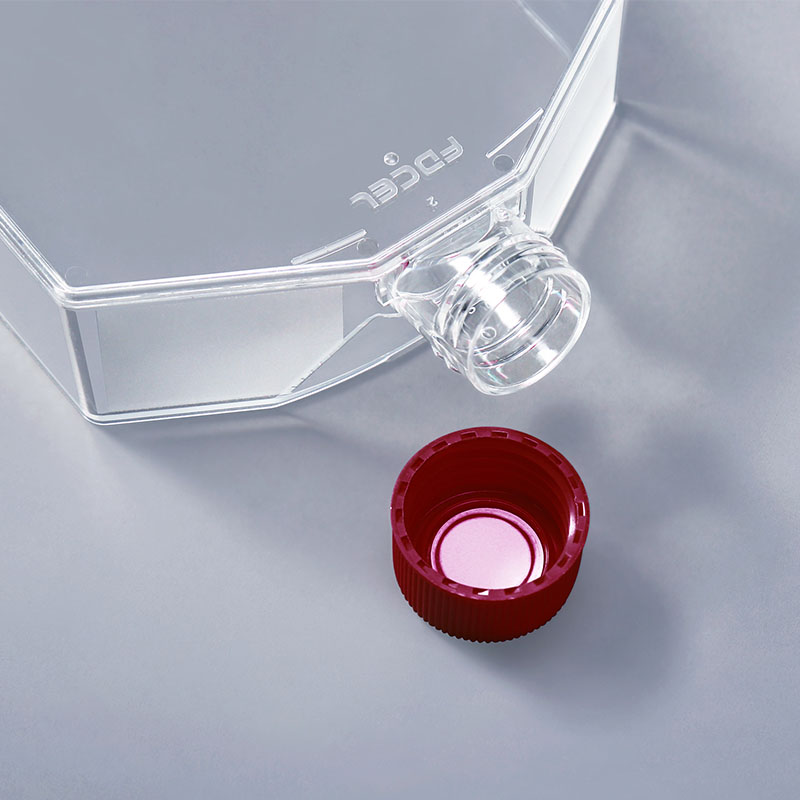
HEK293 viral vector production is highly sensitive to upstream variables, and Cell Culture Flask quality is one of the most underappreciated factors. Surface uniformity, sterility, and manufacturing consistency all play critical roles in determining transfection efficiency, viral yield, and reproducibility.
The European Pharmacopoeia (Ph. Eur.) published Supplement 12.3 to the 12th Edition on 7 January. The Ph. Eur. topic page includes the general chapter catalogue of Ph. Eur. 12, official revisions for each supplement, and explanatory documents. The Pharmacopoeia Comparison Database has also released news related to this update.
Ella: +86 13373342369
Ella