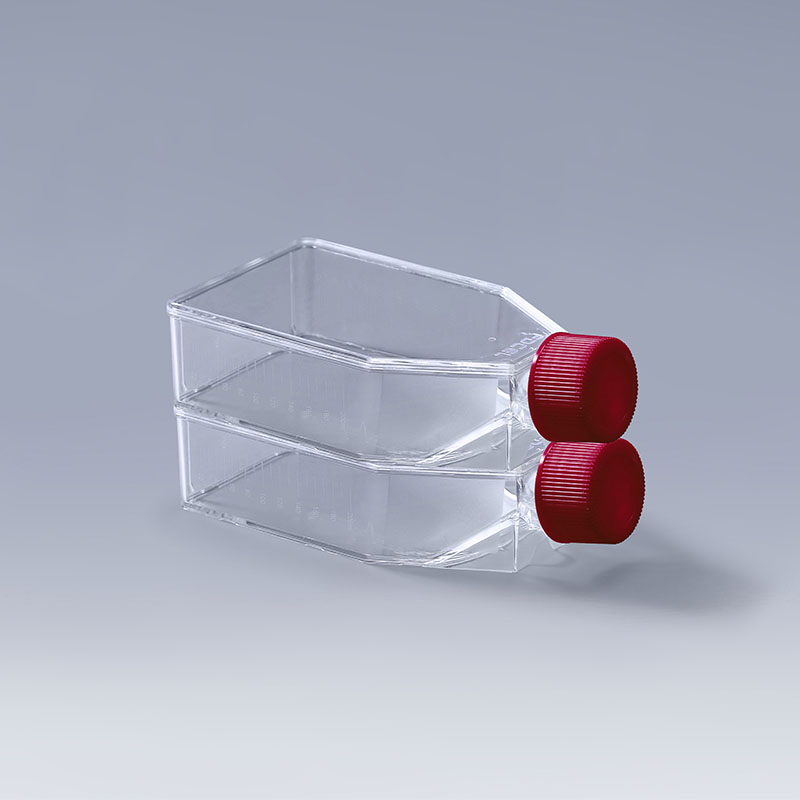
Learn why cells cluster instead of growing evenly in a cell culture flask, including seeding technique, cell suspension quality, surface treatment, medium conditions, flask handling, and troubleshooting tips.
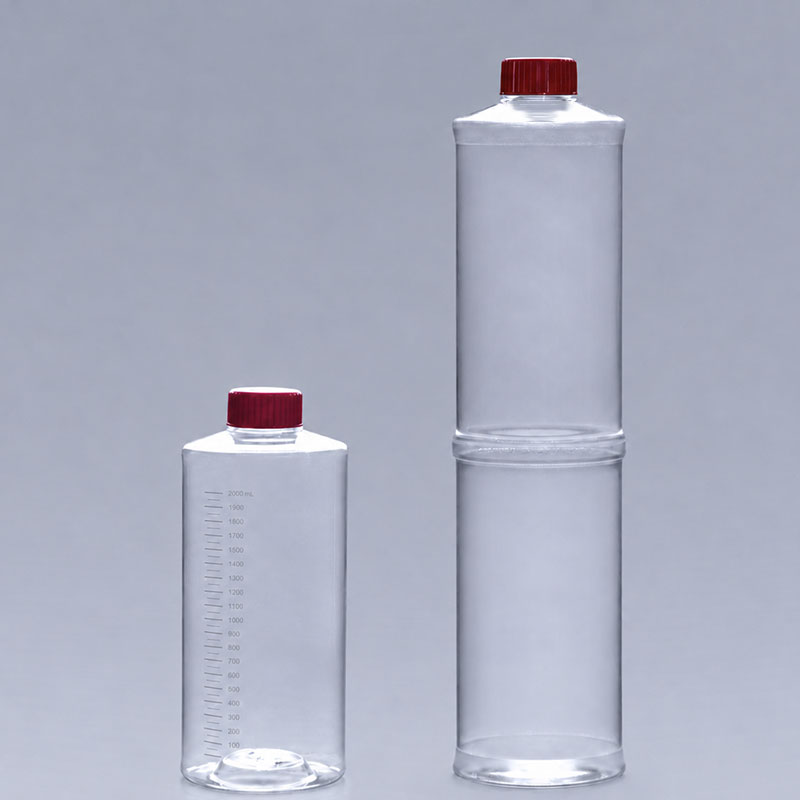
Learn why cells detach during roller bottle culture and how rotation speed, cell condition, seeding procedures, medium conditions, equipment performance, and TC surface consistency affect adherent cell growth.
Cells may grow slower in certain Cell Culture Flasks due to a variety of factors, including surface treatment variability, flask geometry, medium volume, gas exchange, material quality, and incubator conditions. By understanding and addressing these potential issues, researchers can optimize their cell culture conditions for faster, more consistent cell growth.
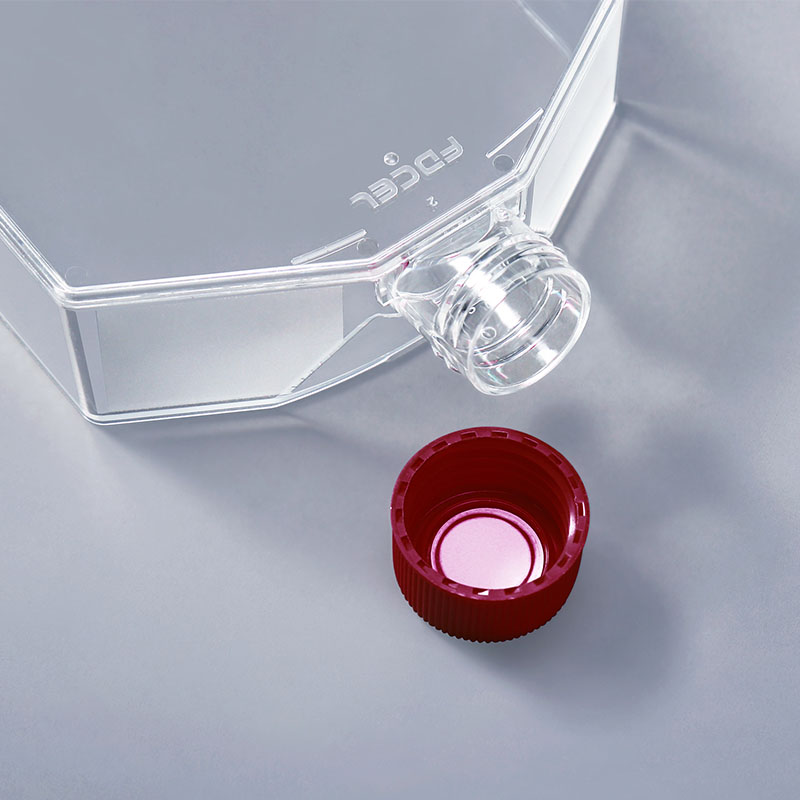
In cell culture applications, even small amounts of contamination or particulate matter may influence experimental results or affect sensitive biological systems. For this reason, many manufacturers produce key cell culture consumables in controlled cleanroom environments.
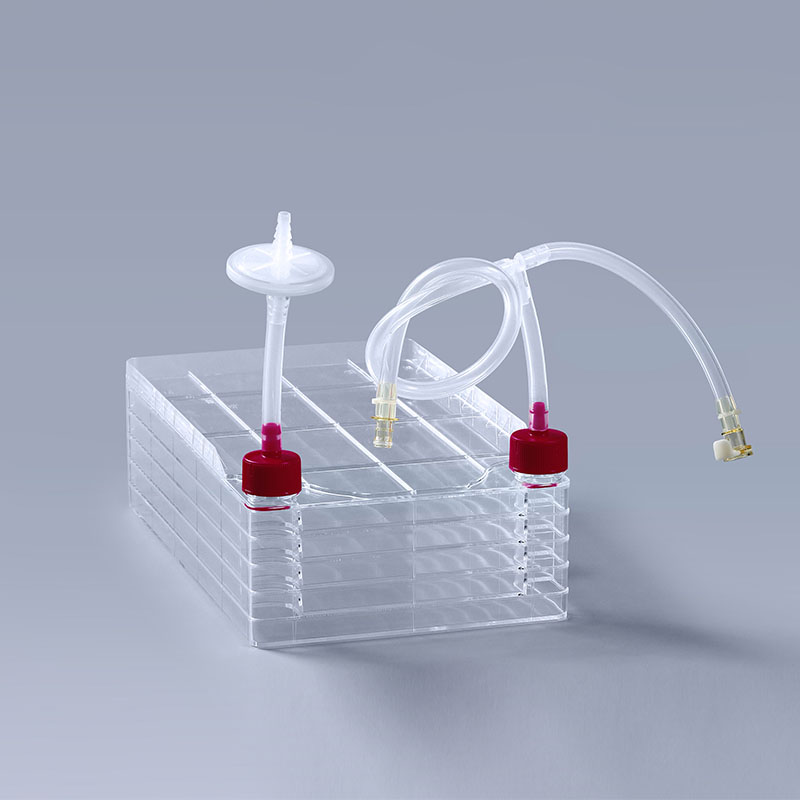
Cell therapy manufacturing is moving toward automation and closed processing. Explore why closed systems, single-use technologies and controlled fluid transfer are becoming increasingly important for scalable GMP manufacturing.
While often overlooked, flask geometry is a fundamental factor influencing adherent cell culture performance. From cell attachment and medium distribution to gas exchange and mechanical stability, the design of a cell culture flask directly impacts experimental reliability and repeatability.
Ella: +86 13373342369
Ella