Long-term storage of cell culture media is a critical step in maintaining experimental reproducibility and bioprocess consistency. Improper storage containers can lead to contamination, evaporation, pH drift, or degradation of essential nutrients. Selecting the right media bottle is therefore essential for laboratories involved in cell culture, biopharmaceutical production, and life science research.
This article outlines the key factors to consider when choosing media bottles for long-term storage of cell culture media.
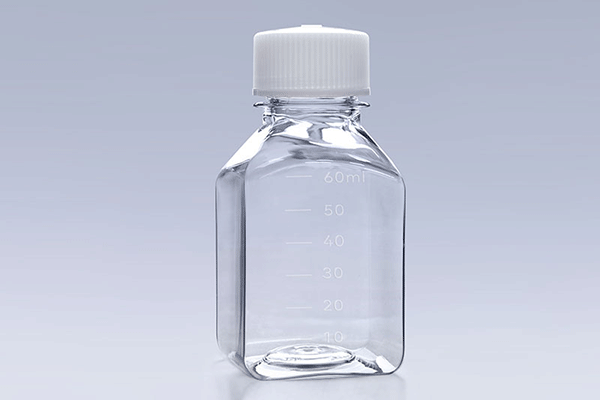
1. Material Compatibility and Chemical Stability
Cell culture media often contain sensitive components such as amino acids, vitamins, salts, and growth factors. The material of the media bottle must remain chemically inert throughout extended storage periods.
Recommended material properties include:
Medical-grade PET or PETG
Low extractables and leachables
Compatibility with common cell culture formulations
PETG media bottles are widely used due to their excellent clarity, durability, and chemical resistance.
2. Sterility and Contamination Prevention
Sterility is essential when storing cell culture media for long periods. Even minimal contamination can compromise entire experiments or production batches.
Key sterility features to consider:
Pre-sterilized square media bottle
Validated sterilization methods such as gamma irradiation
Free from pyrogens, DNase, and RNase
Secure, leak-proof caps to prevent environmental exposure
Reliable sterility assurance supports consistent and reproducible cell culture results.
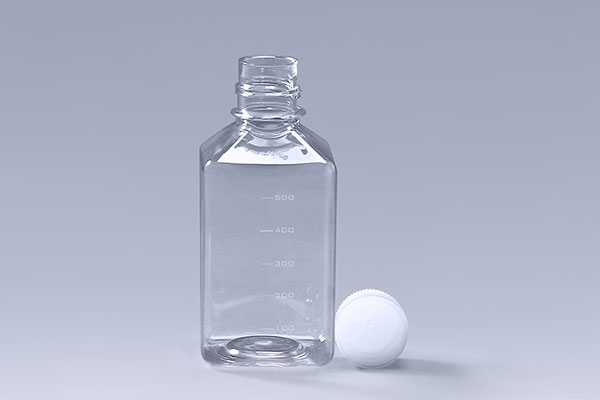
500ml Square Media Bottle PET PETG
3. Gas Barrier Properties and pH Stability
During long-term storage, exposure to oxygen or carbon dioxide can alter the pH of culture media. High-quality media bottles should offer sufficient gas barrier performance to minimize pH drift.
Important considerations include:
Tight sealing systems
Stable closure performance over time
Reduced gas permeability of bottle materials
These features are especially important for CO₂-sensitive media formulations.
4. Temperature Resistance for Cold Storage
Cell culture media are commonly stored at 2–8°C or frozen for extended periods. Media bottle must maintain integrity under these conditions.
Ideal performance characteristics include:
Resistance to low temperatures (down to -80°C)
Impact resistance during cold handling
Dimensional stability to prevent leakage
Temperature-resistant media bottle help protect media quality during long-term storage.
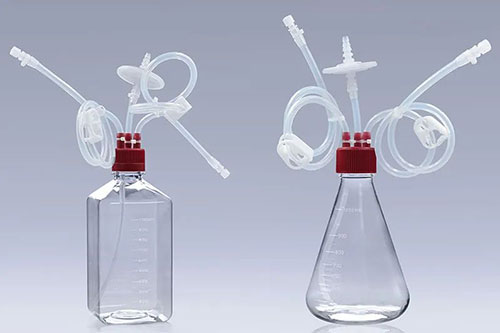
5. Design and Handling Efficiency
Bottle design affects both storage efficiency and daily laboratory operations.
Well-designed media bottle should offer:
Clear molded volume graduations
High transparency for visual inspection
Ergonomic shapes for safe handling
Space-efficient designs for cold rooms and freezers
These features improve workflow efficiency and reduce handling errors.
Conclusion
Selecting the best media bottle for long-term storage of cell culture media requires careful consideration of material compatibility, sterility assurance, gas barrier properties, temperature resistance, and practical design features.
High-quality media bottle play a crucial role in preserving media stability, supporting reliable cell culture performance, and maintaining compliance in regulated laboratory environments.










