For biopharmaceutical companies, vaccine research teams, laboratories, and distributors, choosing a cell culture flask supplier is not only a purchasing decision. It is also part of supplier qualification, quality control, and long-term supply chain management.
A reliable supplier should provide more than competitive pricing. When sourcing cell culture flasks in bulk, buyers need to evaluate production capability, cleanroom control, TC-treated surface consistency, sterility, documentation, batch traceability, OEM support, and delivery stability.
This checklist can help biopharma buyers and distributors qualify a cell culture flask manufacturer before approving bulk orders or long-term cooperation.

cell culture flask
1. Confirm Whether the Supplier Is a Real Manufacturer
The first step is to understand whether the supplier is a real manufacturer, a trading company, or a brand distributor. A direct manufacturer usually has better control over production scheduling, product consistency, packaging customization, and technical documentation.
When evaluating a cell culture flask supplier, buyers can ask:
Does the supplier own production facilities?
Are the flasks produced in-house or outsourced?
What production processes are used?
Can the supplier support repeated bulk orders?
Can the supplier provide product and quality documents directly?
Is OEM or private label packaging available?
For distributors, working with a real manufacturer can make long-term cooperation easier, especially when customized labels, cartons, item numbers, or regional market support are required.
2. Review Cleanroom Production and Process Control
Cell culture consumables should be produced under controlled conditions. For sterile cell culture flasks, cleanroom manufacturing, controlled packaging, personnel management, and process monitoring are important for reducing contamination risk.
Buyers should review whether the supplier has controlled production areas for injection molding, surface treatment, assembly, packaging, and final inspection. For biopharma and research customers, stable production control helps ensure consistent product quality across batches.
A qualified supplier should be able to explain how the production process is controlled from raw material inspection to finished product release.
3. Evaluate TC-Treated Surface Control
For adherent cell culture, the treated surface directly affects cell attachment, spreading, morphology, growth rate, and final cell yield. A TC-treated cell culture flask should support uniform cell growth across the entire surface.
When qualifying a supplier, buyers should evaluate whether the manufacturer can maintain surface treatment consistency between different production lots. Surface inconsistency may lead to uneven attachment, slow confluence, poor spreading, or lower recovery after harvest.
Recommended evaluation points include:
Cell attachment after seeding
Cell spreading and morphology
Lot-to-lot consistency
Surface uniformity across the growth area etc
For sensitive cell lines or process development applications, sample testing under actual culture conditions is strongly recommended before bulk purchasing.
4. Check Product Range and Application Fit
A qualified cell culture flask manufacturer should offer the common flask sizes used across different culture stages, including T25, T75, T175, and T225 formats. Different sizes support different applications, from cell recovery and routine maintenance to medium-scale adherent cell expansion.
Buyers should also confirm whether the supplier offers:
TC-treated and non-treated surfaces
Vented caps and plug seal caps
Sterile packaging options
Individual or bulk packaging
Clear product specifications
OEM or private label support
For distributors, a complete product range helps serve more customer groups with fewer supplier relationships. For biopharma users, consistent product families can support seed train development and process scale-up.
5. Verify Sterility and Packaging Integrity
Sterility is one of the most important requirements for cell culture flasks. Buyers should confirm the sterilization method, sterility assurance information, packaging format, and release process.
Packaging integrity should also be reviewed carefully. Even if the flask itself is well manufactured, weak packaging can increase contamination risk during transportation, storage, or customer handling.
Key points to check include:
Sterilization method
Sterility documentation
Packaging seal quality
Label clarity
Carton strength
Shelf-life information
Storage and transportation conditions
For bulk supply and distributor inventory, packaging consistency is especially important because products may be stored, transported, and resold across different regions.
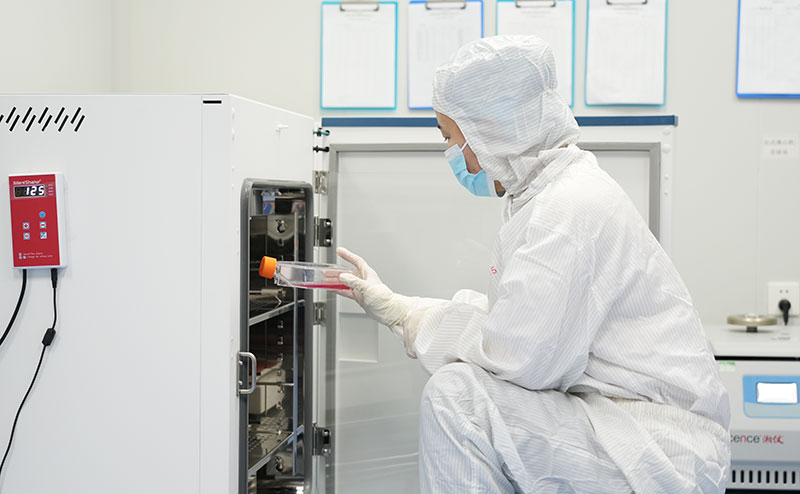
quality control and certificates
6. Ask for Quality Documents
Documentation is a major part of supplier qualification. A professional cell culture flask supplier should be able to provide clear and consistent product documents according to customer requirements.
Common documents may include:
Product specification sheet
Certificate of analysis
Sterility information
DNase/RNase-free statement
Endotoxin-related information
Material information
Batch traceability details
Packaging and labeling information
Quality system certificates
For biopharma customers, these documents support internal supplier approval and quality review. For distributors, they also help answer customer questions and improve market confidence.
7. Review Batch Traceability
Batch traceability is important for both quality control and customer support. If a quality issue occurs, the supplier should be able to trace the product lot, production date, inspection records, packaging information, and release status.
For bulk cell culture flask orders, buyers should confirm whether each lot can be clearly identified. Lot numbers should be visible on product packaging and shipping documents, and the supplier should maintain records for future reference.
A traceable supply chain helps distributors and biopharma users manage product complaints, quality investigations, and repeat purchasing more efficiently.
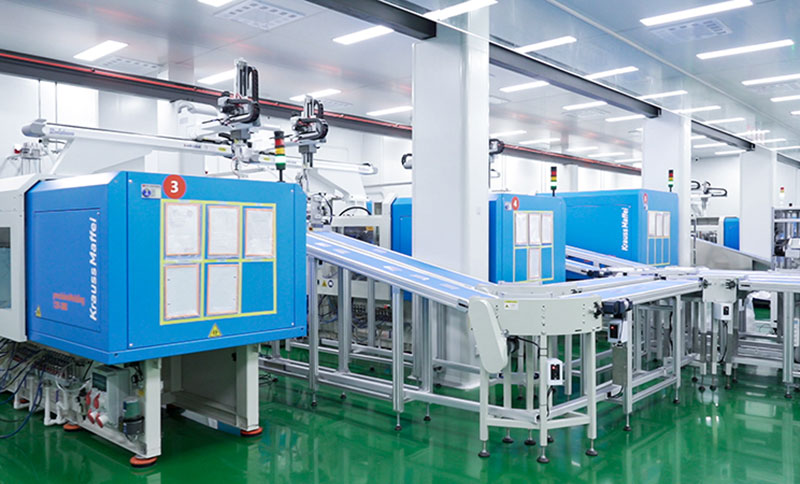
cell culture flask manufacturer cleanroom production
8. Compare OEM and Distributor Support
Distributors and brand owners often need more than standard product supply. They may require customized labels, cartons, barcodes, item numbers, product inserts, or private label packaging.
When qualifying a supplier for OEM cooperation, buyers should compare:
Minimum order quantity
Label customization options
Carton customization
Barcode support
Packaging language
Documentation support
Lead time for customized orders
Stability of repeated OEM production
A reliable OEM supplier should support customization without compromising product consistency, sterility, or batch traceability.
9. Evaluate Supply Stability and Lead Time
For biopharma users and distributors, supply stability is critical. A supplier that can provide good samples but cannot support repeated bulk orders may create long-term risk.
Before approval, buyers should ask about production capacity, normal lead time, inventory availability, shipping experience, export packaging, and support for annual purchase planning.
For recurring orders, buyers may also discuss forecast planning, batch reservation, and long-term supply agreements. Stable communication and predictable delivery are important parts of supplier qualification.
10. Test Samples Before Supplier Approval
Before approving a new cell culture flask supplier, buyers should test samples under real culture conditions. This is especially important for TC-treated products, because cell culture performance cannot be fully judged by appearance or specification sheets alone.
A practical sample test may compare the new flask with the current approved product. The same cell line, medium, seeding density, passage number, incubation time, and harvest method should be used.
Sample testing helps reduce the risk of changing suppliers and supports better purchasing decisions.
11. Match the Supplier to Your Actual Use Case
Different buyers have different priorities. A research laboratory may focus on cell growth performance and handling convenience. A biopharma company may focus on sterility, documentation, traceability, and lot-to-lot consistency. A distributor may focus on product range, OEM support, packaging, price stability, and repeat supply.
The best cell culture flask manufacturer is not always the lowest-cost supplier. It should be a supplier that matches the buyer’s quality requirements, application needs, documentation expectations, and long-term procurement plan.
FDCELL Cell Culture Flask Supply Capability
FDCELL supplies sterile cell culture flasks for laboratories, biopharmaceutical companies, vaccine-related research, distributors, and OEM/private label customers. The flask range includes T25, T75, T175, and T225 formats, with TC-treated and non-treated surfaces available.
FDCELL supports bulk supply, customized packaging, product documentation, batch traceability, and stable cooperation for global customers. With controlled production, sterilization, quality inspection, and flexible OEM support, FDCELL helps buyers source reliable cell culture flasks for routine culture, adherent cell expansion, process development, and distributor supply.
For customers qualifying a new supplier, sample testing under actual culture conditions is recommended before large-volume purchasing.










