Learn about cell culture, an essential technique in biological research and pharmaceutical development. Understand the process of in vitro cell growth, its applications, and its significance in advancing various scientific fields.
Cell culture is a fundamental technique in biological and medical research that involves the cultivation and growth of cells in a controlled environment outside their natural environment, such as within a laboratory setting. This in vitro (meaning "in glass") method allows scientists to study cells' behavior, properties, and responses to various conditions, providing valuable insights into cellular biology, disease mechanisms, drug development, and tissue engineering. In this article, we will delve into the basics of cell culture, its applications, and its significance in advancing scientific knowledge and therapeutic approaches.
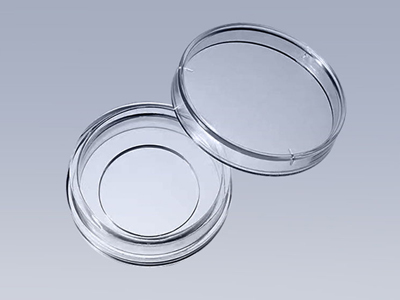
The cell culture process begins with obtaining cells from a living organism or cell line. These cells can be derived from tissues, blood, or even specific organs. Once collected, the cells are placed into a culture vessel, such as a petri dish or a culture flask, containing a growth medium. The growth medium is a nutrient-rich environment that provides essential nutrients, growth factors, and hormones necessary for cell survival and proliferation.
The culture vessel is then placed in a controlled incubator, where conditions such as temperature, humidity, and carbon dioxide concentration are carefully regulated to mimic the physiological conditions necessary for cell growth. The cells are allowed to multiply and form a monolayer or three-dimensional structure, depending on the specific experimental needs.

Cell culture has a wide range of applications across various scientific disciplines:
Cell culture is extensively used in basic research to study cellular processes, genetics, protein expression, and cell signaling. By manipulating the culture conditions and introducing specific substances, researchers can investigate the effects of different variables on cell behavior.
Pharmaceutical companies employ cell culture to test the efficacy and safety of potential drug compounds. Cultured cells can be used to screen and identify promising drug candidates, predict their interactions with target cells, and assess potential adverse effects.
Cell culture enables scientists to create disease models by culturing cells derived from patients with specific conditions. These models help researchers understand disease mechanisms, study disease progression, and test potential therapies in a controlled environment before clinical trials.
Many vaccines, including those for viral diseases, are developed using cell culture techniques. Cultured cells serve as hosts for virus propagation, allowing large-scale production of vaccines that are safe and effective.
In tissue engineering, cells are cultured and manipulated to form three-dimensional structures that can replace damaged tissues or organs. This approach holds promise for regenerative medicine and organ transplantation.
Cell culture has revolutionized scientific research and medical advancements by providing a controlled and reproducible system to study cells in a laboratory setting. It has led to numerous discoveries, including the understanding of cell cycle regulation, signal transduction pathways, and the development of targeted therapies for various diseases. Moreover, cell culture has played a vital role in the production of vaccines and biopharmaceuticals, making them more accessible to the global population.
Advancements in cell culture technology, such as the development of serum-free media, three-dimensional cell culture systems, and advanced bioreactors, have further enhanced the versatility and accuracy of in vitro studies. These advancements continue to drive innovation in research and contribute to the progress of modern medicine.
In conclusion, cell culture is an indispensable tool in scientific research and medical applications. Its ability to cultivate and manipulate cells in a controlled environment has paved the way for groundbreaking discoveries, drug development, disease modeling, and regenerative medicine. As technology continues to advance, cell culture will undoubtedly remain at the forefront of cutting-edge research and therapeutic approaches in the future.










