Researchers from the Lanzhou Veterinary Research Institute, Chinese Academy of Agricultural Sciences, have reported a new mechanism by which foot-and-mouth disease virus (FMDV) regulates host cell metabolism to promote viral replication.
The study, titled “Foot-and-mouth disease virus regulates glycolysis through autophagy to drive viral replication in vivo and in vitro,” was published in the journal Autophagy.
This research provides new insight into the relationship between FMDV infection, autophagy pathways and host cell glycolysis. For animal health researchers and veterinary vaccine developers, it offers a deeper understanding of how FMDV uses host cell systems to support its own replication.
Why FMDV Research Matters
Foot-and-mouth disease is a highly contagious viral disease affecting cloven-hoofed animals such as cattle, pigs, sheep and goats. Because of its rapid spread and potential economic impact, FMDV remains an important research focus in animal disease prevention and veterinary vaccine development.
Like many viruses, FMDV depends on host cells to complete its replication cycle. After entering host cells, the virus must use cellular materials, energy and metabolic pathways to produce new viral particles.
Understanding how FMDV interacts with host cell metabolism can help researchers better understand viral pathogenesis and may provide new directions for antiviral strategy development.
Key Findings of the Study
According to the research summary, FMDV can regulate host glycolysis through two autophagy-related pathways:
AKT-MTOR-dependent autophagy
PINK1-PRKN-dependent mitophagy
Through these two pathways, FMDV promotes host cell glycolysis and creates a more favorable environment for viral replication.
This finding is important because it suggests that FMDV does not rely on a single pathway to support replication. Instead, the virus appears to use a dual-pathway strategy. When one pathway is limited, the other pathway may still help maintain glycolytic activity and support viral replication.
The study establishes a clearer connection between FMDV infection, autophagy and host cell glucose metabolism.
A New Perspective on Virus–Host Cell Interaction
Traditional antiviral research often focuses on viral proteins, viral entry, viral genome replication or immune response. This study points to another important direction: the host cell metabolic environment.
By showing how FMDV drives glycolysis through autophagy-related pathways, the research suggests that host cell metabolism may play a more active role in viral replication than previously understood.
This may help researchers explore new types of antiviral strategies, including approaches that target host metabolic pathways rather than directly targeting viral proteins.
For veterinary disease control, this type of basic research can provide molecular targets for future studies and may support the development of new prevention or intervention strategies.
Relevance to Veterinary Vaccine Research
Although this study is not a vaccine production paper, it is highly relevant to veterinary vaccine research.
Many vaccine development programmes depend on understanding how viruses replicate in host cells. Research on viral replication mechanisms can support:
Vaccine strain research
Virus propagation studies
Host cell response analysis
Antiviral target discovery
Evaluation of virus–cell interaction mechanisms
Process development for virus-related applications
For FMDV and other animal viruses, the relationship between viral replication and host cell status is especially important. Cell growth, metabolic activity and cellular stress responses may all influence experimental consistency and virus-related research outcomes.
Cell Culture as a Research Foundation
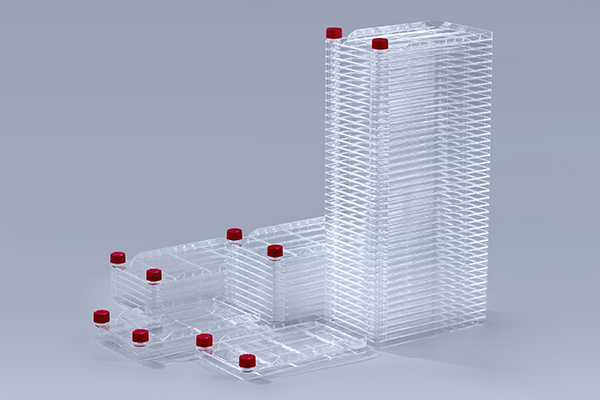
Virus research depends on reliable cell culture systems. Whether researchers are studying viral replication, evaluating host responses or developing vaccine candidates, stable cell growth and consistent culture conditions are important for reproducible results.
In FMDV-related research, cell culture workflows may involve cell recovery, cell expansion, virus inoculation, replication monitoring, sample collection and viral titer analysis.
If culture conditions vary significantly, experimental outcomes may also become less consistent. This is why cell culture quality, handling consistency and contamination control remain important in virus research and vaccine-related studies.
For veterinary vaccine companies, this also reflects a broader point: upstream cell culture is not only a production step. It is also part of the scientific foundation for understanding virus behavior, evaluating process conditions and supporting future scale-up.
Implications for Animal Health and Biomanufacturing
The discovery that FMDV can use autophagy-related pathways to regulate glycolysis adds another layer to the understanding of virus–host interactions.
For animal health companies, this type of research may support long-term innovation in disease prevention and antiviral development. For vaccine developers, it reinforces the need to understand both the virus and the host cell environment.
As veterinary vaccines and antiviral technologies continue to develop, cell-based research platforms will remain important for studying viral biology, evaluating vaccine candidates and supporting process development.
FDCELL Perspective
FDCELL follows research progress in veterinary vaccines, viral replication and cell culture-based biomanufacturing because these areas are closely connected to the needs of animal health and vaccine customers.
For veterinary vaccine and virus-related research, reliable cell culture workflows can help support more consistent experimental and process development results.
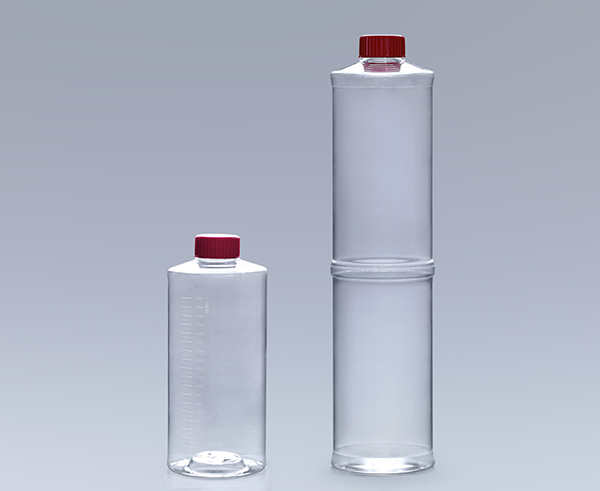
FDCELL provides cell culture consumables for research, process development and scale-up applications, supporting customers in biopharmaceutical, vaccine and animal health fields with stable quality, batch traceability and reliable supply.
Industry Outlook
The new FMDV study from Lanzhou Veterinary Research Institute shows that viral replication is closely connected with host cell metabolism. By revealing how FMDV uses autophagy pathways to drive glycolysis, the research provides a new perspective for understanding viral propagation and host–virus interaction.
For the veterinary vaccine industry, this reinforces the importance of continued research into virus biology, host cell systems and cell culture-based development platforms.
As more animal virus studies move from molecular mechanism research toward vaccine development and disease control applications, stable and reproducible cell culture systems will remain an important foundation for veterinary research and biomanufacturing.
Source
Source: Lanzhou Veterinary Research Institute, Chinese Academy of Agricultural Sciences, “Lanzhou Veterinary Research Institute Innovation Team Discovers a New Mechanism by Which Foot-and-Mouth Disease Virus Hijacks Host Glycolysis.”










