Setting up a cell culture lab requires careful planning and adherence to sterile techniques. Here are the steps involved in setting up a cell culture lab:
Identify a suitable space for your cell culture lab. Consider factors such as size, ventilation, access to utilities (water, electricity, gas), and proximity to other lab areas. Ensure the lab meets biosafety requirements and has proper waste disposal systems.
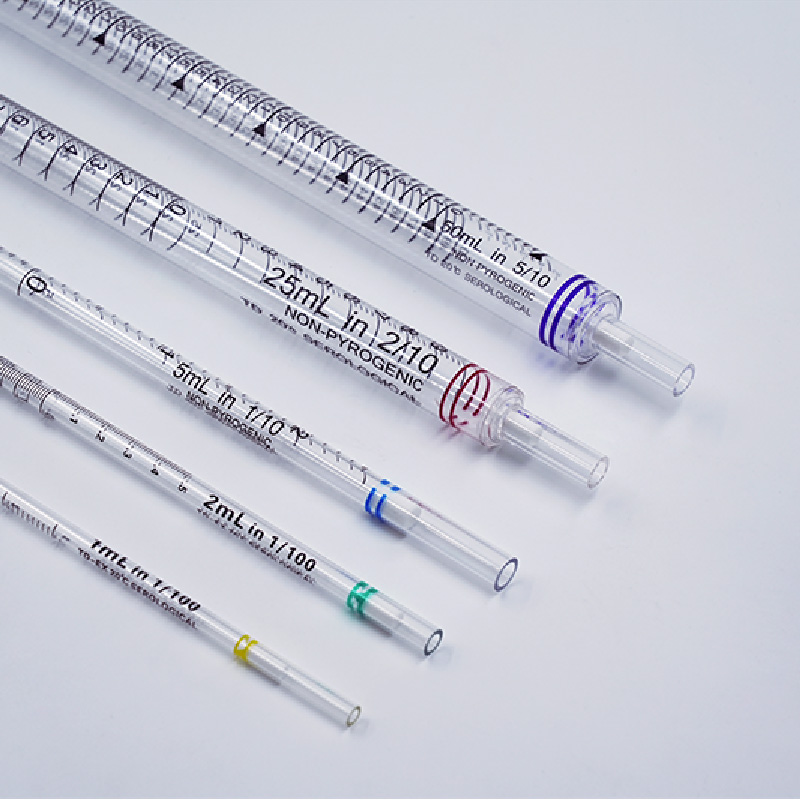
Procure the essential equipment and supplies for cell culture. This typically includes:
Biosafety cabinet or laminar flow hood: These provide a sterile environment for working with cells.
CO2 incubator: Maintains temperature, humidity, and CO2 levels required for cell growth.
Microscopes: Needed for observing cell cultures.
Centrifuges: Used for cell separation and sample preparation.
Refrigerators and freezers: Required for storage of media, reagents, and cell lines.
Liquid nitrogen storage system: For long-term storage of cell lines.
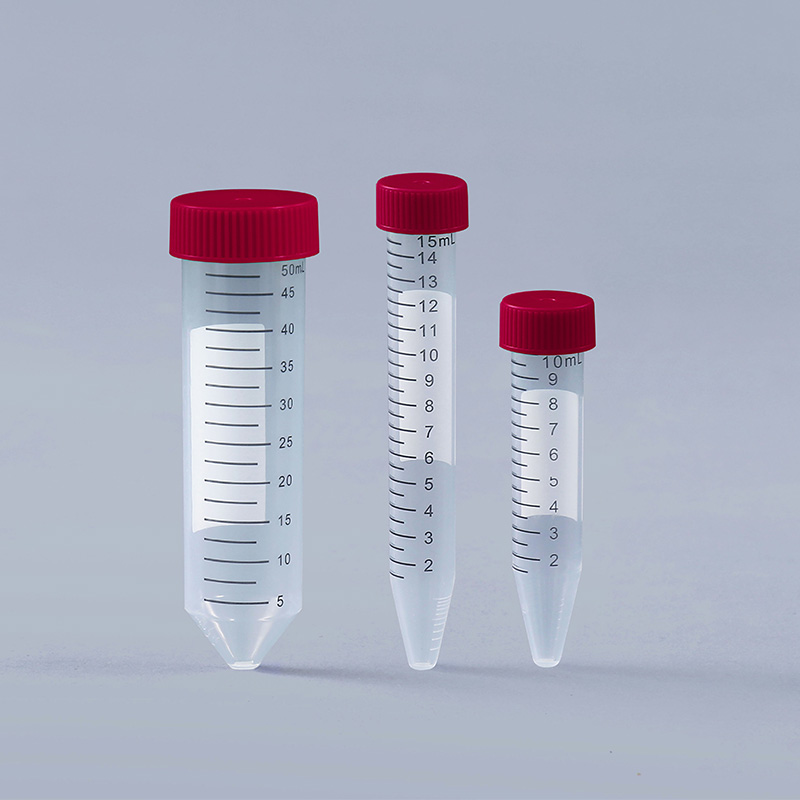
Pipettes, flasks, plates, and other labware: Essential for cell culture techniques.
Cell culture media, growth factors, antibiotics, and supplements: These support cell growth and maintenance.

Develop standard operating procedures (SOPs) for various cell culture processes, including cell line authentication, media preparation, passaging cells, cryopreservation, and contamination control. Document these protocols to ensure consistency and facilitate training for lab personnel.
Implement biosafety measures to protect cell lines and lab personnel from contamination. This includes proper disinfection of lab surfaces and equipment, regular decontamination of waste, use of personal protective equipment (PPE), and adherence to aseptic techniques. Follow biosafety level guidelines appropriate for the type of cells you will be working with.
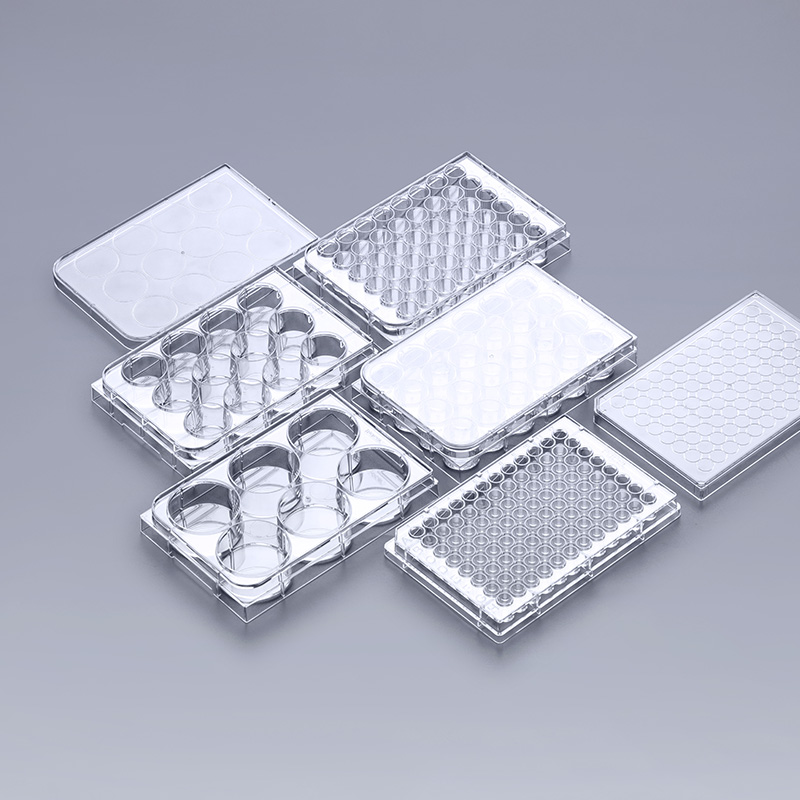
Multi-wells Cell Culture Plate
Establish quality control measures to ensure the reliability and reproducibility of your cell culture experiments. This may involve regular testing of cell lines for mycoplasma contamination, monitoring cell viability and growth rates, and verifying the authenticity of cell lines using DNA profiling methods.
Provide training to lab personnel on aseptic techniques, proper handling of cell lines, and specific protocols. Emphasize the importance of maintaining sterility and following safety procedures. Stay updated with relevant literature and attend workshops or conferences to keep abreast of advancements in cell culture techniques.
Ensure compliance with local, national, and international regulations governing cell culture practices and handling of biological materials. Familiarize yourself with the requirements for proper documentation, storage, transportation, and disposal of cell lines and associated materials.
Engage with other researchers and institutions in the field of cell culture. Collaborations and networking opportunities can provide valuable insights, resources, and guidance for troubleshooting issues that may arise in your lab.
Remember, setting up a cell culture lab requires attention to detail, adherence to proper protocols, and ongoing maintenance to ensure a controlled and sterile environment for cell culture experiments.