USP〈1117〉Best Laboratory Practices for Microbiology covers various activities such as aseptic techniques and culture medium control. Due to the variability of microbiological data, its reliability depends on standardized operations. The key points of this specification are as follows:
1.Preparation and Quality Control of Culture Media
Preparation: Select culture media and ingredients according to recognized formulas, operate in accordance with instructions, and pay attention to aspects such as water selection, ingredient weighing, dissolution, and sterilization to avoid contamination and overheating.
Storage: Understand transportation and storage conditions, mark correctly, store as required, prevent damage and contamination, and pay attention to melting and pouring operations.
Quality Control Testing: All culture media need to be tested, including pH, growth promotion, etc. Pay attention to batch differences, check sterility according to risks, and the validity period needs to be verified. Growth promotion tests shall be carried out as specified, and unqualified ones shall be investigated. Diagnostic reagents also need to be confirmed. Culture media in key areas have special handling requirements.
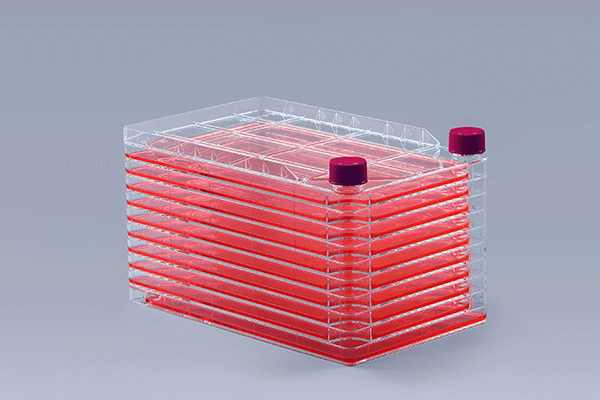
2.Maintenance of Microbial Cultures: Obtain cultures from qualified sources and confirm their purity and identity. Recovery and prepare according to instructions, and store using the "seed lot technique". Track the number of passages to avoid excessive passage.
3.Laboratory Equipment: Most equipment needs verification and calibration, and regular cleaning and disinfection. The frequency of instrument calibration and performance verification depends on the type and importance. Special equipment is dedicated to specific operations, and autoclaves need verification.
4.Laboratory Layout and Operations: The layout considers specifications and safety, and zoning is used to reduce cross-contamination. Take barriers and aseptic operations, and formulate accident procedures. Contaminated samples are moved to the viable bacteria area, and sampling personnel should pay attention to protection. Samples may be contaminated, so sampling needs to be controlled. Key tests are carried out under controlled conditions, and isolator technology is applicable. Non-critical tests select appropriate equipment according to the situation.
5.Sample Handling: Microbiological samples are sensitive. Shorten the time from sampling to testing, control storage conditions, and avoid freezing. Transportation conditions should be appropriate, and special samples have time and storage requirements. Sterility tests need to inspect samples. Sampling uses aseptic techniques and is carried out in a dedicated area. Samples need to be accompanied by detailed documents, and the testing department confirms receipt.
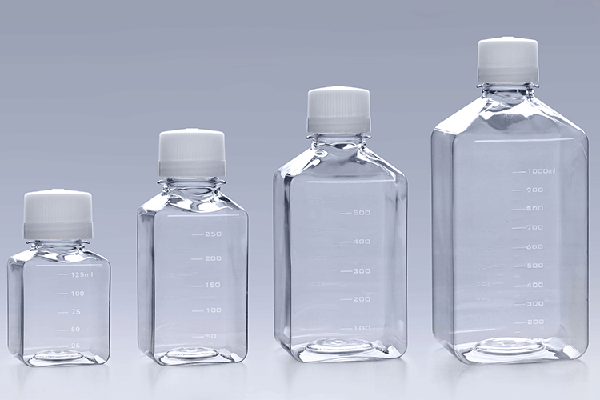
PETG Media Bottles Procurement Guide
6.Competence and Personnel Training: Personnel should have corresponding backgrounds, and SOPs are used for training and recording. Formulate training courses, and only those who pass the assessment can perform testing, and regularly evaluate performance. Managers receive various trainings, and their competence can be proved through multiple ways.
7.Analyst Qualifications: Hire experienced personnel, conduct regular training and review, including vision checks, to ensure the reliability of microbiological test results, which is applicable to personnel inspecting medium filling.
8.Considerations for Microbiological Risk Assessment: Microbiological risk assessment helps in decision-making and can be used in various situations. The assessment content includes the scope of events, microbial identification, etc., and the report is written and approved by professionals.
9.Laboratory Resources
Supervision of Contract Laboratories: The company investigates contract laboratories to confirm their qualifications and capabilities, and can conduct audits or tests. Reports need to be complete, and original data is available for review.
Supplier Supervision: The microbial quality of supplier materials has a great impact. Supervise suppliers with microbiological knowledge, coordinate knowledge understanding, and understand and evaluate their testing strategies, etc.
10.Method Transfer: There are differences in the implementation of methods in different laboratories. Method transfer needs to evaluate and control changes to ensure the effective transfer of capabilities and experience. Method suitability verification ensures sufficient testing.
11.Documentation: Documents prove that testing is controlled, including personnel training, equipment verification, culture medium testing and other aspects.

Vented Caps in Cell Culture Flasks
12.Maintenance of Laboratory Records: Data recording follows principles, records key information, and equipment has calibration plans and records. Reports indicate SOPs, and data changes are standardized. Test results include original counts, and data analysis methods are clear. Electronic notebooks have similar requirements. Records are archived and protected, and there are preservation and retrieval procedures.
13.Quantitative Microbiology: Traditionally, colony-forming units are used for quantification. The heterogeneity of microbial contamination leads to inaccurate methods. It is necessary to carefully evaluate calculations and rounding to avoid reporting wrong results.
14.Microbiological Data Integrity: Microbiological methods are manual and subjective. Auxiliary methods can be used to improve data integrity, but there are challenges. Attention should be paid to the aseptic state during recording operations, and petri dish counting is the original data. Review the accuracy and integrity of original data and input into the laboratory information management system, and control the risk of data fraud. Sterility testing has special practices, and alternative schemes can be used for high-risk testing.
15.Interpretation of Test Results: Microbiological test results are difficult to interpret. Experiments should be careful to avoid contamination and interpret results from multiple aspects. Regularly analyze data trends and use statistical methods to calculate monitoring levels. The use of negative controls is meaningful. Abnormal results need to be investigated, comprehensively evaluate laboratory conditions, and consider various factors. If the result is invalid, it needs to be recorded, and there is a re-test procedure. The re-test rules for microbiological testing are different from those for chemical analysis.
NOTE:Source from USP,The above content is for reference only. For more information, please click the original text: https://online.uspnf.com/uspnf/document/2_GUID-CE88236A-7EA2-4193-B62B-9638C88BAFEA_10101_en-US?source=TOC










