In life science and biopharmaceutical laboratories, leak-proof performance is not optional — it is a fundamental requirement. Whether storing culture media, buffers, sera, or intermediate liquids, Media Bottles must provide reliable containment throughout handling, transportation, and long-term storage.
But what truly defines a “leak-proof” media bottle? And which tests actually matter when evaluating performance?This article outlines the most relevant leak integrity tests and explains how material selection — including PET and PETG — influences sealing reliability.
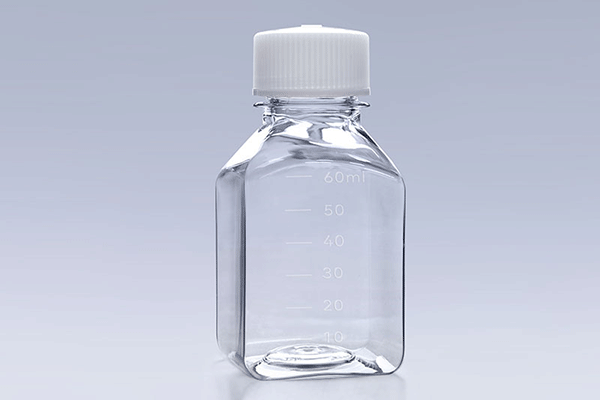
Why Leak Resistance Is Critical for Media Bottle
Leakage can lead to:
Loss of valuable reagents or culture media
Risk of contamination
Cross-contamination between stored liquids
Safety hazards during handling or transportation
Compliance risks in regulated laboratory environments
For laboratories operating under GMP or quality-controlled workflows, leak-proof Media Bottles are essential for both product protection and operational safety.
What Defines a Leak-Proof Media Bottle?
Leak-proof performance depends on three key elements:
Bottle material stability (PET or PETG)
Closure system design
Manufacturing consistency and dimensional precision
Even minor variations in neck finish tolerance or cap molding can compromise seal integrity. Therefore, validated testing methods are critical.
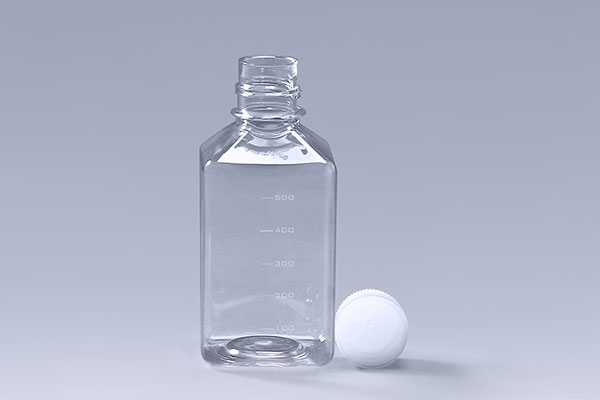
500ml Square Media Bottle PET PETG
Key Leak Testing Methods That Matter
1. Inverted Leak Test
One of the most fundamental quality checks involves filling the bottle with liquid, tightening the cap to the specified torque, and placing it upside down for a defined period.
Why it matters:
Simulates real storage conditions
Detects gross leaks
Verifies cap-to-neck compatibility
This test is widely used for batch release of Media Bottles.
2. Vacuum Leak Testing
In vacuum testing, bottles are placed inside a chamber where negative pressure is applied. Any air or liquid escaping indicates seal failure.
Why it matters:
Identifies micro-leaks
Simulates pressure variations during transportation
Evaluates closure resilience
Vacuum testing is particularly relevant for sterile PETG Media Bottles intended for shipping or cold-chain environments.
3. Pressure Decay Testing
Pressure decay testing measures internal pressure loss over time. A stable pressure profile indicates strong seal integrity.
Why it matters:
Quantitative and repeatable
Detects small leaks not visible in inversion tests
Suitable for validation and quality audits
This method provides higher sensitivity than simple visual inspection.
4. Freeze–Thaw Simulation
Media bottles often undergo refrigeration or freezing. Materials such as PET and PETG behave differently under low-temperature stress.
Freeze–thaw testing evaluates:
Cap loosening after contraction
Bottle wall deformation
Seal performance after thermal cycling
PETG Media Bottles generally perform better in low-temperature environments due to improved impact resistance and flexibility.
Material Impact: PET vs PETG in Leak Performance
Material selection significantly affects leak resistance.
PET Media Bottles
Good rigidity
Suitable for room-temperature storage
Cost-effective for non-sterile applications
However, PET may become more brittle at low temperatures, potentially affecting closure performance under stress.
PETG Media Bottles
Enhanced toughness
Better stress-crack resistance
Improved performance in freezer storage
Excellent compatibility with gamma sterilization
For laboratories requiring sterile, leak-proof solutions, PETG Media Bottles often provide a higher margin of safety.
The Role of Square Media Bottles in Leak Prevention
Beyond material and testing, geometry also influences stability.
Square Media Bottles offer:
Improved stability during storage
Reduced rolling risk
Better stacking performance
Lower impact stress during transport
Stable positioning reduces mechanical stress on closures, indirectly supporting leak resistance.

What Laboratories Should Look For
When evaluating leak-proof Media Bottles, consider:
Validated leak testing protocols
Cap torque specification and consistency
Material suitability (PET vs PETG)
Freeze–thaw performance data
Manufacturing under controlled cleanroom conditions
Requesting test documentation from suppliers helps ensure confidence in long-term liquid containment.
Conclusion
Leak-proof performance in Media Bottles is the result of material selection, precise manufacturing, robust closure design, and validated testing methods. While basic inversion tests detect visible leaks, vacuum and pressure decay testing provide deeper assurance — especially for sterile PETG Media Bottles used in regulated environments.
For laboratories handling valuable culture media and reagents, investing in well-tested Square Media Bottles made from high-quality PET or PETG ensures safer storage, reduced risk, and consistent operational performance.










